Thinking about a Folly Beach home that helps pay for itself? The island’s short-term rental market is strong, but your income will depend as much on local rules and operating costs as it does on nightly rates. If you want clear answers before you buy, you’re in the right place. In this guide, you’ll learn how revenue works here, which regulations matter most, the true costs to model, and the steps to validate a property’s rental potential. Let’s dive in.
Folly Beach demand at a glance
Folly Beach draws steady vacation demand with summer peaks and spring and fall shoulder seasons. Market data shows a reliable base that you can plan around if you price and operate well.
Revenue benchmarks to set expectations
AirDNA reports about 63% average occupancy, an average daily rate around $560 to $570, RevPAR near $350 to $360, and roughly $88,000 to $90,000 in annual average revenue per active listing. These are market averages, and performance varies by property. You can explore the market snapshot in AirDNA’s Folly Beach overview.
Expect a clear seasonal curve. Summer, especially July, typically sees peak occupancy and pricing. Spring and fall bring strong weekends. Winter is softer. Build your pro forma with a month-by-month view rather than one flat annual number.
Typical home values on Folly Beach are high, often near seven figures. That price point can push yield targets and makes accurate underwriting essential.
Proximity that supports demand
Folly Beach sits about 11 to 12 miles from downtown Charleston, which supports weekend trips, short stays, and a steady flow of visitors flying into Charleston International. This proximity helps stabilize demand beyond peak months.
Licensing rules shape your revenue
Before you look at rates, confirm what the City allows at the specific address. Folly Beach regulates who can rent short-term, for how many days, and under which license type.
License types and 2024 usage rules
The City issues several license categories with different rights and limits:
- Investor Short-Term Rental (ISTR) for non-owner-occupied rentals under 30 nights.
- Owner-Occupied Short-Term Rental (OSTR) with a limit of 72 rental days per year to maintain owner-occupied tax status.
- Long-Term Rental (LTR) for stays of 30 nights or more only.
- Provisional Short-Term Rental (PSTR) to address certain property transfers and existing bookings under state law.
Beginning in 2024, the City requires any short-term rental license holder to complete at least 28 rented nights per year to keep a license active. You can review license types, definitions, and required documents on the City of Folly Beach short-term rental page.
The investor cap and non-transferability
Folly Beach set a cap on investor short-term rental licenses. The ordinance limits ISTR licenses to 800 across the city and uses a city-managed waitlist for new requests. Licenses are generally non-transferable, which means most licenses end when a property transfers. If the cap is reached, a buyer may not be able to obtain a new ISTR at closing. Those two facts directly affect underwriting and resale value for properties that rely on short-term income. You can read the city’s cap and transfer rules in the ordinance and guidance PDF and check the City’s waitlist page for process details.
Renewal documentation and compliance basics
The City requires specific documents for license renewals, including proof of prior-year accommodations tax reporting, septic inspection dates where applicable, and records that support minimum-night stays. Advertising more bedrooms than permitted or failing to meet documentation standards can trigger violations. Review the full checklist on the City’s STR page and keep records organized for smooth renewals.
Transfers and the SC Vacation Rental Act
If you are buying a home with existing bookings, the City may issue a Provisional Short-Term Rental (PSTR) license tied to the South Carolina Vacation Rental Act. This allows you to honor certain reservations during the transfer window while you come into compliance. PSTRs are limited in scope and duration, so confirm timing and obligations in writing. See the City’s PSTR guidance and the referenced statute in this procedure summary.
Taxes and fees to model upfront
Your gross revenue is only the starting point. South Carolina, Charleston County, and Folly Beach collect taxes and fees that apply to short-term stays.
State level: South Carolina applies a 5% state sales tax plus a 2% state accommodations tax on short-term stays. The Department of Revenue explains which taxes apply and who must register and remit. Review the rules on the SCDOR accommodations tax page.
County and City level: Charleston County enforces a 2% county accommodations fee. The City of Folly Beach imposes a 2% municipal accommodations fee and a 1% Beach Preservation Fee. These local charges are in addition to state taxes. See the county’s overview of local rates and filing in the ATAX information guide.
Who remits: Some online platforms and property managers collect and remit certain taxes, but the property owner remains responsible for accurate filings. Confirm in writing which taxes your manager or platform will remit and what you must file yourself. The SCDOR guidance is the definitive source.
What actually moves your income
Beyond location, several practical factors drive higher ADR and occupancy in the Folly Beach market.
Location and zoning eligibility
- Oceanfront and ocean-view homes command premium pricing. River or marsh views, proximity to the pier, and easy beach access also move the needle.
- Certain zoning districts are not eligible for a short-term rental license. If a parcel sits in an excluded district, you cannot operate it as an STR. Always verify zoning and eligibility with the City before relying on short-term income.
Bedrooms, layout, and true capacity
- Bedroom count is one of the strongest drivers of ADR and weekly family bookings. Most Folly Beach listings are entire homes.
- If you plan to add a bedroom or market higher sleeping capacity, the City will require consistency with your certificate of occupancy, parking, and septic capacity. Advertising more bedrooms than permitted is a violation and can jeopardize your license.
Amenities guests expect on Folly
- Fast Wi-Fi, reliable air conditioning, a well-equipped kitchen, and on-site parking are baseline expectations.
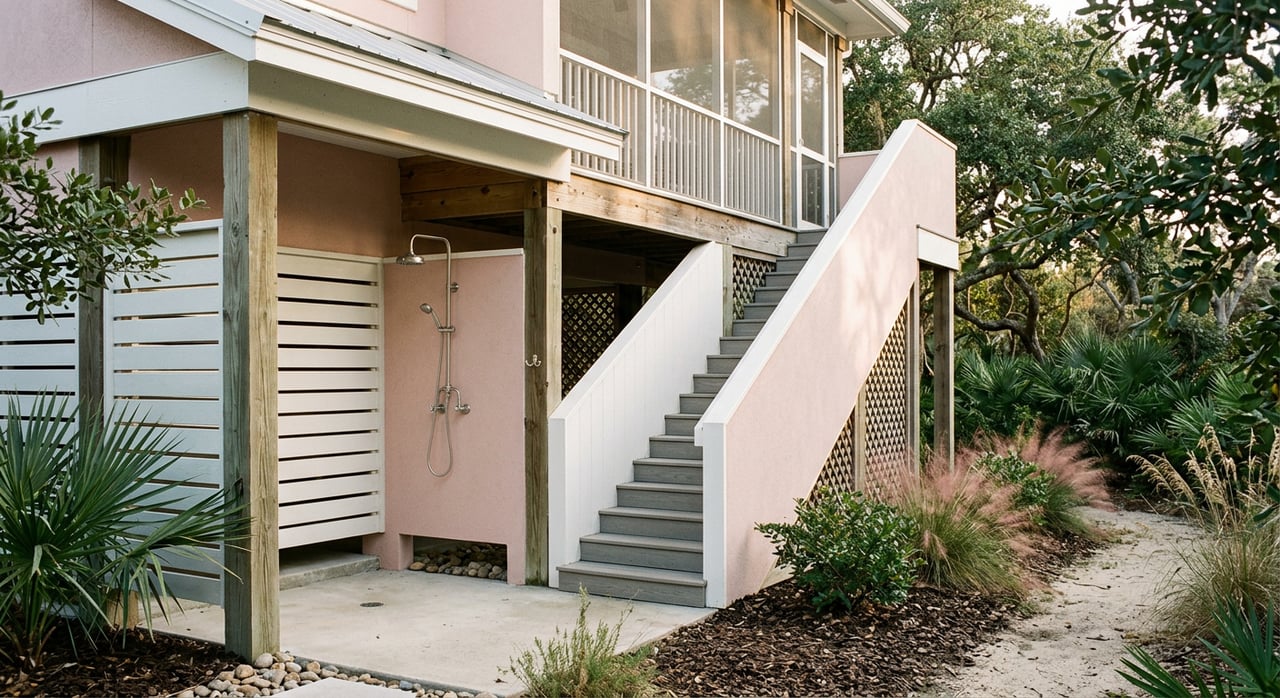
- Outdoor showers, covered porches, beach gear, and pet-friendly policies can support premium pricing if your property and licensing allow them.
- Clear, simple check-in and spotless turnovers support five-star reviews, which help stabilize shoulder-season occupancy.
Septic, parking, and coastal construction rules
- Septic capacity can limit bedroom count and occupancy. Keep inspection records current and confirm feasibility before you plan any expansion. The City requires documentation during renewals. See the STR documentation checklist.
- Folly Beach enforces coastal construction standards and flood elevation rules. Confirm whether your property is in a VE or AE zone and budget for any compliance needs. The City’s flood information page is a helpful starting point.
Flood zones, insurance, and real operating costs
Flood and wind coverage are essential on a barrier island. Insurance costs can vary widely and affect your net return.
- FEMA’s Risk Rating 2.0 sets flood premiums using property-specific factors like elevation, distance to water, and replacement cost. Get quotes for both NFIP and private flood policies and consider any Community Rating System discount available in Folly Beach. Learn how pricing works in FEMA’s overview of Risk Rating 2.0.
- Expect higher coastal property insurance and faster wear from salt and humidity. Many owners set aside 5% to 15% of gross revenue for maintenance and reserves.
Underwriting from averages to a pro forma
Use market averages as a baseline, then customize your model with address-level reality.
Revenue assumptions to refine
Start with AirDNA’s Folly Beach averages, then adjust by:
- Micro-location and view corridor.
- Bedroom count, layout, and outdoor spaces.
- Amenity set and pet policy.
- Minimum-stay strategy across seasons.
- Cleaning and pet fees charged to guests.
- Manager versus self-management and how that affects pricing power and reviews.
Operating costs to include
- Property management: Full-service coastal managers commonly charge around 15% to 30% of gross rent, depending on services and contract terms.
- Turnover cleaning: Budget per-stay cleaning at rates that scale with size and scope. Shorter stays increase cleaning frequency and cost.
- Taxes and fees: Model the state, county, municipal, and beach preservation charges noted above. Confirm remitter responsibilities in writing.
- Insurance and reserves: Include wind and flood premiums, plus a maintenance reserve for coastal wear and unexpected repairs.
- Utilities and supplies: Wi-Fi, power and water during peak summer use, linens, consumables, and periodic deep cleans.
Risks to price into your plan
- License non-transferability and the cap: Most STR licenses do not transfer at sale, and the ISTR cap can block new licenses when reached. This affects both acquisition underwriting and eventual resale value if short-term revenue is core to the price you pay. See the City’s ordinance language.
- Compliance risk: Violations for advertising unpermitted bedrooms, failing to remit taxes, or noise/ordinance issues can result in fines or loss of license. Build systems to prevent avoidable mistakes. Review requirements on the City’s STR page.
- Weather and flood risk: Storms can cause closures and repairs. Build contingency reserves and confirm coverage and deductibles before you buy. FEMA’s Risk Rating 2.0 overview explains how premiums are set.
A focused due-diligence checklist
Use this list to validate rental potential before you make an offer or remove contingencies.
- Confirm current license status. Verify if the parcel holds an ISTR, OSTR, or LTR, and whether it is on the City’s waitlist. Start with the City’s short-term rental page and the waitlist process.
- Verify zoning and eligibility. Confirm the property is not in an excluded district for STR licensing. Ask for written confirmation from the City.
- Pull performance comps. Use AirDNA’s market dashboard and current listings to find like-kind comps by bedroom count, view, and distance to the beach. Get a conservative revenue estimate from a local manager.
- Check flood zone and insurance. Review the City’s flood information, then obtain NFIP and private quotes. FEMA’s Risk Rating 2.0 explains the pricing approach. Order an elevation certificate if needed.
- Model taxes and filings. Include state sales and accommodations taxes using SCDOR guidance plus local county and City fees from the Charleston County ATAX guide. Confirm who remits which taxes.
- Confirm septic, parking, and bedrooms. Match advertised bedroom count to the certificate of occupancy, parking, and septic capacity. The City outlines documentation at STR licensing.
- Plan for transfers and existing bookings. If buying a home with reservations, confirm whether a PSTR applies and what is allowed under the state statute. Review the City’s PSTR procedure.
When you pair Folly Beach’s strong guest demand with a compliant, well-operated home, rental income can be a powerful offset to ownership costs. The key is to underwrite with precision and protect your license. If you want a seasoned, local perspective on which homes make the best candidates and how to structure your offer, connect with Anna Gruenloh for a tailored, investor-minded plan.
FAQs
What is the average rental income for Folly Beach homes?
- AirDNA reports about 63% occupancy, ADR around $560 to $570, RevPAR near $350 to $360, and roughly $88,000 to $90,000 in annual average revenue per active listing, with wide variation by property.
How does Folly Beach’s short-term rental cap affect new investors?
- The City limits investor STR licenses to 800 and most licenses do not transfer at sale, so new buyers may face a waitlist and should not assume they can obtain an ISTR at closing if the cap is reached.
What taxes apply to short-term rentals in Folly Beach?
- Expect 5% state sales tax and 2% state accommodations tax, plus local charges that include a 2% county accommodations fee, a 2% municipal accommodations fee, and a 1% Beach Preservation Fee.
Can I honor existing bookings if I buy a Folly Beach rental?
- In certain cases the City issues a Provisional Short-Term Rental (PSTR) license tied to state law so a buyer can honor some bookings during transfer, but it is limited in scope and time.
Which property features most increase Folly Beach rental income?
- Oceanfront or ocean-view locations, more permitted bedrooms, outdoor living spaces, and guest-friendly amenities like fast Wi‑Fi, outdoor showers, and convenient parking typically support higher ADR and occupancy.
How does flood insurance impact Folly Beach rental returns?
- Premiums vary by property under FEMA’s Risk Rating 2.0, so quotes can materially change your net; get NFIP and private quotes and factor deductibles and reserves into your pro forma.