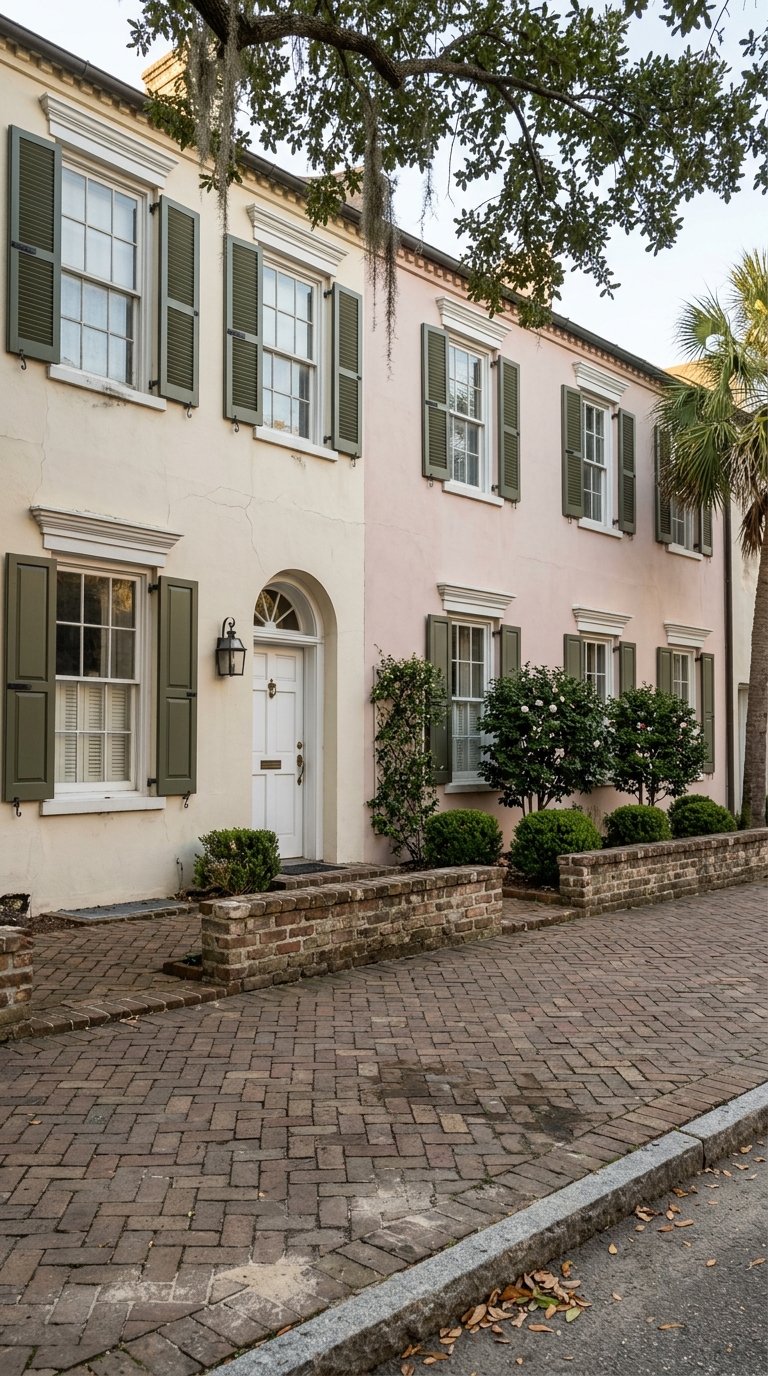
Living Car-Light In Charleston’s French Quarter
Want to live in one of Charleston’s most iconic neighborhoods without relying on your car for every plan, errand, or outing? In the French Quarter, that idea is more realistic than many buyers expect. If you are drawn to historic streets, harbor access, galleries, and a daily routine that feels more walkable than suburban, this neighborhood offers a distinct way to live. Here’s what to know about living car-light in Charleston’s French Quarter and whether that lifestyle fits the way you want to move through the city.
The French Quarter sits within Charleston’s compact downtown peninsula, one of the city’s defining historic areas. Its street grid connects many of downtown’s most recognizable destinations in a relatively tight footprint, including King Street, The Market, Waterfront Park, and Dock Street Theatre. That layout makes walking a practical part of daily life, not just a leisure activity.
This is one of the clearest reasons the neighborhood appeals to buyers who want convenience with character. In many places, living without frequent driving takes major tradeoffs. In the French Quarter, the district’s compact form and downtown shuttle access help support a routine built around short walks and quick connections.
For many residents, daily movement starts with the central downtown grid. The Charleston City Market includes three open-air sheds and one enclosed Great Hall with more than 140 merchants, including 20 locally owned boutiques. On the peninsula map, The Market, Marion Square, and Harris Teeter Grocery all sit within the same broader downtown cluster, which helps keep common stops close together.
That does not mean every errand is effortless, but it does mean many of them can happen without a dedicated car trip. If you enjoy combining a grocery stop, a coffee run, and a walk through the neighborhood, the French Quarter supports that rhythm well.
King Street is another important part of a car-light routine. The city’s Central Business District includes King Street, The Market area, and parts of Broad, East Bay, and Meeting Streets, making this a key corridor for dining, shopping, and everyday activity. CARTA’s DASH also includes a Meeting/King route connected to the King Street area.
For buyers considering the French Quarter, this matters because your world does not stop at one or two blocks. The surrounding downtown network expands what feels easily reachable on foot or by shuttle, which can make the neighborhood feel larger and more connected in daily use.
Waterfront Park gives the neighborhood a strong outdoor anchor. The city describes it as an eight-acre linear park and pier with garden rooms, swings, lawns, and a walking or jogging path. For a resident, that means waterfront time can fit into an ordinary day instead of requiring a separate outing.
This is one of the lifestyle advantages that often stands out to relocators. A quick harbor walk after work, a quiet bench with a view, or a weekend stroll along the water can become part of your weekly rhythm.
The French Quarter also stands out for how easily arts and culture fit into the neighborhood pattern. Downtown guides list multiple galleries in the French Quarter, and First Friday ArtWalks are designed around strolling through downtown spaces. The peninsula map also places sites like Dock Street Theatre and the French Protestant Church in this same core area.
If you value a neighborhood where an evening can unfold naturally, this setting delivers. Dinner, a gallery visit, and a theater performance can happen in sequence without the usual parking logistics that come with a drive-dependent area.
CARTA’s Downtown Area Shuttle is a major support for car-light living on the peninsula. The service is free and runs three routes through downtown. According to CARTA, those routes serve areas including Historic King Street, Waterfront Park, City Market, the Broad Street Shopping District, the Charleston Museum, the Visitors Center, and Upper King.
That free shuttle system can be especially helpful when the weather is hot, your schedule is tight, or you simply do not want to walk the full distance across downtown. It gives residents another layer of flexibility beyond walking alone.
The peninsula map also marks a Charleston Water Taxi stop with service to Patriots Point. While that may not be part of every resident’s daily routine, it adds another transportation option from downtown. For some buyers, that extra connectivity is part of the appeal of living in Charleston’s historic core.
A car-light lifestyle is not the same as a car-free lifestyle. Many residents still keep a vehicle, even if they use it less often. In the French Quarter, parking is one of the most important practical considerations to understand before you buy.
The City of Charleston says on-street meters are active Monday through Saturday from 9:00 a.m. to 6:00 p.m., and the standard meter rate is $3 per hour. The city also notes that municipal garages are open to daily, transient, and visitor parking. At the same time, the city says there are currently no vacancies for monthly accounts in city garages or lots, and no waiting list is maintained.
That means parking should be treated as a real part of your home search, not an afterthought. If you expect to keep a vehicle, it is worth looking closely at how each property handles parking access and what your realistic backup options would be.
In the French Quarter, preservation rules shape ownership in a way they would not in a newer neighborhood. Charleston’s Board of Architectural Review oversees new construction, alterations, and renovations visible from the public right-of-way in historic districts, along with demolitions in the relevant historic areas. The city also notes that smaller items, such as painting, rot repair, and minor modifications, are typically handled by staff.
For buyers, this usually means exterior changes are more controlled and review matters more. That can feel different if you are coming from a neighborhood where exterior updates are largely a private decision.
For condo and townhome buyers, the appeal is often clear. You may gain a more walkable, lower-maintenance routine where dinner, a waterfront stroll, a gallery opening, or a theater night can all happen without moving your car. That can be especially attractive for second-home buyers, relocators, or anyone prioritizing access and atmosphere over extra storage or a large private lot.
The tradeoff is that living here often requires more planning around parking, shared access, and preservation standards. If you want oversized private outdoor space and easy car storage, another neighborhood may fit better. If you want daily life to unfold on foot in a preservation-minded downtown setting, the French Quarter can be a strong match.
The French Quarter is best for buyers who genuinely want to use the neighborhood. If you enjoy stepping outside and walking to dining, galleries, waterfront spaces, and downtown destinations, the area’s layout supports that lifestyle in a very natural way. The neighborhood is especially compelling when character and access matter more to you than suburban-style convenience.
This is also why property selection matters so much here. Two homes in the same area can offer very different day-to-day experiences depending on parking, building type, access, and the condition or constraints of a historic property. A thoughtful search can help you align the romance of the neighborhood with the practical details that shape everyday living.
If you are considering a move to the French Quarter, it helps to approach the search with both lifestyle and logistics in mind. The goal is not just to find a beautiful property. It is to find the right fit for how you want to live downtown.
If you want help evaluating French Quarter homes, historic considerations, and the day-to-day reality of downtown living, Anna Gruenloh offers thoughtful, local guidance tailored to Charleston’s peninsula.
Stay up to date on the latest real estate trends.
Anna prides herself in knowing not only the properties that are available on the market but also the people that live and work in Charleston. Anna has a knack for quickly understanding her clients’ bottom-line needs and guiding them toward the home or investment property that will best suit them.