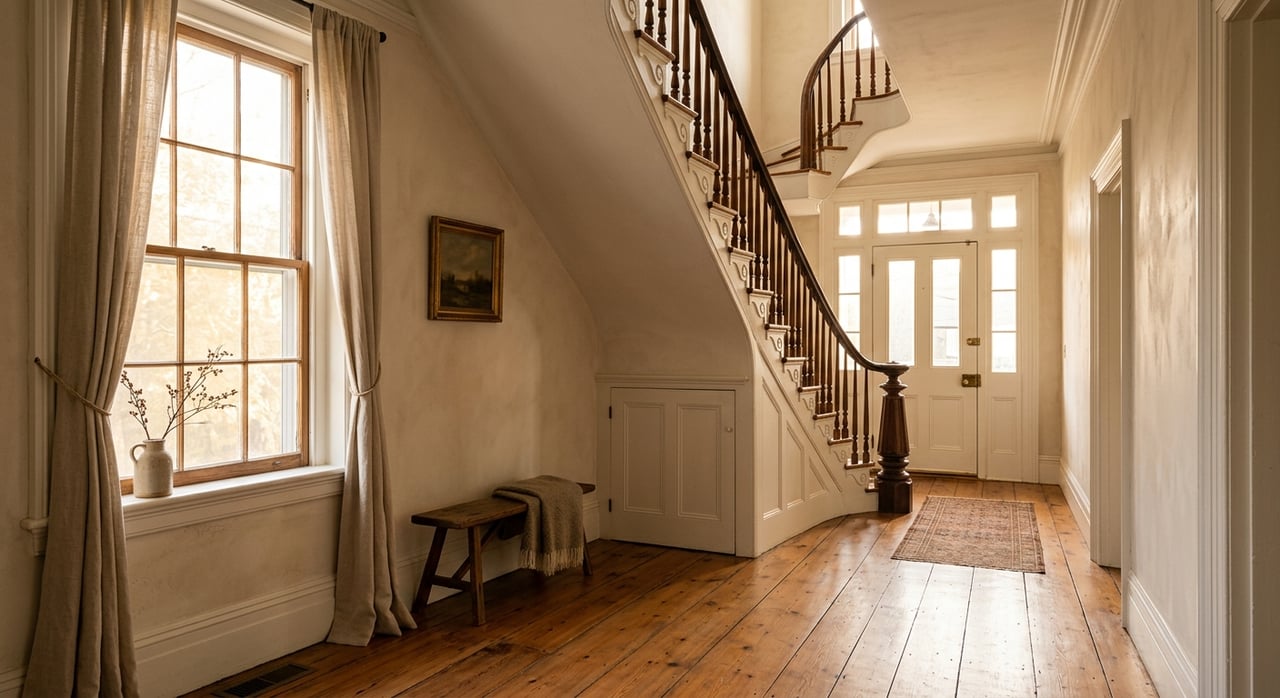
What to Expect When Selling a Historic Ansonborough Home
Wondering whether selling a historic home in Ansonborough is just like selling any other older property? It usually is not. When your home sits in one of Charleston’s earliest residential areas, buyers often care as much about documentation, preservation context, and future flexibility as they do about finishes and square footage. This guide walks you through what to expect, what to prepare, and how to position your Ansonborough home clearly and confidently. Let’s dive in.
Ansonborough has a distinct story, and that story matters when you bring a home to market. The neighborhood was established in 1747 as Charleston’s first suburb, and by the 1760s it had become an established middle-class district with significant dwellings, according to the City of Charleston historic district documentation. That local context gives your property more than age. It gives it place, continuity, and a documented role in Charleston’s built history.
For buyers, that often creates a stronger emotional connection, but it also raises the bar for accuracy. Many want to understand what is original, what has been repaired, and what has been modernized over time. Charleston’s preservation system is also highly active, with the Board of Architectural Review playing an important role in visible exterior changes within historic districts.
Before your home goes live, one of the smartest steps is assembling a clear seller packet. In historic-home sales, uncertainty can become a negotiation issue quickly. Good documentation helps reduce that risk.
Charleston maintains a Historic Resources Survey and Architectural Inventory for the Old & Historic District and Old City District, and the city updated its peninsula architectural inventory in summer 2025. That means it is worth confirming your home’s current survey information instead of relying on older listing remarks or secondhand assumptions.
A strong pre-list file often includes:
When you can answer likely buyer questions early, you create a smoother due-diligence process. That does not guarantee a simple transaction, but it often helps keep conversations grounded in facts.
Not every older home carries the same level of designation or significance. If your property is individually listed or located within a historic district, it is important to describe that correctly.
The National Park Service notes that not every building in a historic district is considered contributing, and that status should be verified through district documentation or the local review body. You can review NPS guidance on eligibility and contributing status to understand why that distinction matters. In practice, buyers may assume a property has more restrictions, or more formal significance, than the record actually supports.
If you are thinking about repairs or cosmetic updates before listing, timing matters. In Charleston historic districts, the BAR generally reviews new construction, alterations, and renovations visible from the public right-of-way, while some minor items are often handled by staff through the city’s review process, as outlined on the BAR page.
That means even well-intended pre-sale work should be checked before you begin. A fresh exterior change, window work, or elevation-related improvement may affect your timeline, your paperwork, or both. For historic homes in particular, last-minute upgrades without the right approvals can create avoidable questions once buyers begin reviewing the file.
Flood risk is often part of the conversation on the Charleston peninsula. The city explains that the Special Flood Hazard Area is the 1% annual-chance floodplain where mandatory flood-insurance purchase rules may apply for certain financed purchases.
If your home has been elevated, or if elevation has been considered, buyers will often want to know how that work fits with floodplain requirements, site conditions, and BAR guidance. Charleston’s BAR resources note that elevation planning should consider historical significance, foundation type, zoning, floodplain code, and cost. Clear records here can make a meaningful difference.
Historic homes come with extra questions, but some disclosure obligations are straightforward. In South Carolina, sellers of most one- to four-unit residential properties must provide a written disclosure statement before a contract is signed under the Residential Property Condition Disclosure Act.
That disclosure form covers topics such as the roof, chimney, foundation, plumbing, electrical systems, heating and cooling, wood-destroying insects, environmental conditions, zoning or land-use restrictions, and HOA governance. The law is based on your actual knowledge, and buyers still have a duty to inspect. Even so, being organized and transparent from the outset usually leads to a more confident buyer.
For many Ansonborough homes built before 1978, federal lead disclosure rules also apply. The EPA states that sellers and agents of most pre-1978 housing must provide lead-based paint information and the required pamphlet before a buyer is obligated under contract, as explained in the EPA’s lead disclosure guidance.
This is one more reason to treat your pre-list process as a real project rather than a quick checklist. The better prepared you are, the more credible your listing presentation becomes.
The best marketing for an Ansonborough historic home is usually precise, not overdone. Buyers tend to respond well to a narrative that is elegant but grounded: what period features remain, what has been updated, what paperwork supports the work, and how the home fits within the neighborhood’s history.
Charleston’s historic district documentation and preservation guidance support a factual approach. Rather than presenting a home as vaguely “historic-style,” it is better to explain original or period-appropriate details honestly and document the work that has shaped the property over time. That kind of narrative tends to build trust, especially with buyers who know the peninsula market.
Depending on the property, useful listing details may include:
The goal is balance. Buyers want character, but they also want to understand daily livability. The National Register documentation for Charleston’s historic district notes that many Charleston interiors were modernized long ago, which supports a listing story that respects both preservation and practicality.
Historic-home buyers often look past staging quickly. They want to know how the house performs and where future costs may appear.
The National Trust for Historic Preservation recommends careful attention to the roof, chimney, windows, walls, porches, floors, foundation, attic, basement, and mechanical systems when inspecting older homes. Their guidance on inspecting historic homes also highlights common concerns such as sagging, cracking, rot, water damage, and deteriorated materials.
In Ansonborough, you should be ready for questions like these:
These are normal questions, not red flags by themselves. They reflect the level of diligence many buyers bring to a historic property purchase.
With historic homes, negotiations often center on how issues should be addressed, not just how much they cost. Buyers may request credits, specialist inspections, or documentation of approved work rather than asking for broad pre-closing updates.
The National Park Service’s Standards for Rehabilitation emphasize repairing deteriorated historic features when feasible rather than replacing them, and making new work compatible with the old. That preservation mindset often shapes buyer expectations in Charleston. A buyer may be more comfortable with a well-documented repair plan than with a rushed replacement that lacks context or approvals.
By the time you reach closing, most historic-home transactions benefit from having answered the big due-diligence questions early. That means having records, permits, approvals, condition disclosures, and a plain-English explanation of the home’s current condition ready before the buyer asks.
In many cases, the sale feels less stressful when the home’s story is already organized. Buyers are not left guessing, and negotiations stay focused on meaningful issues instead of missing paperwork. For an Ansonborough property, that level of preparation is often one of the clearest ways to protect value and keep momentum.
Selling a historic home here is rarely just about putting a sign in the yard. It is about presenting the property with care, accuracy, and a strategy that respects both its architecture and today’s buyer expectations. If you are preparing to sell in Ansonborough and want a thoughtful, principal-led approach, Anna Gruenloh can help you position your home with clarity, confidence, and local expertise.
Stay up to date on the latest real estate trends.

Anna prides herself in knowing not only the properties that are available on the market but also the people that live and work in Charleston. Anna has a knack for quickly understanding her clients’ bottom-line needs and guiding them toward the home or investment property that will best suit them.