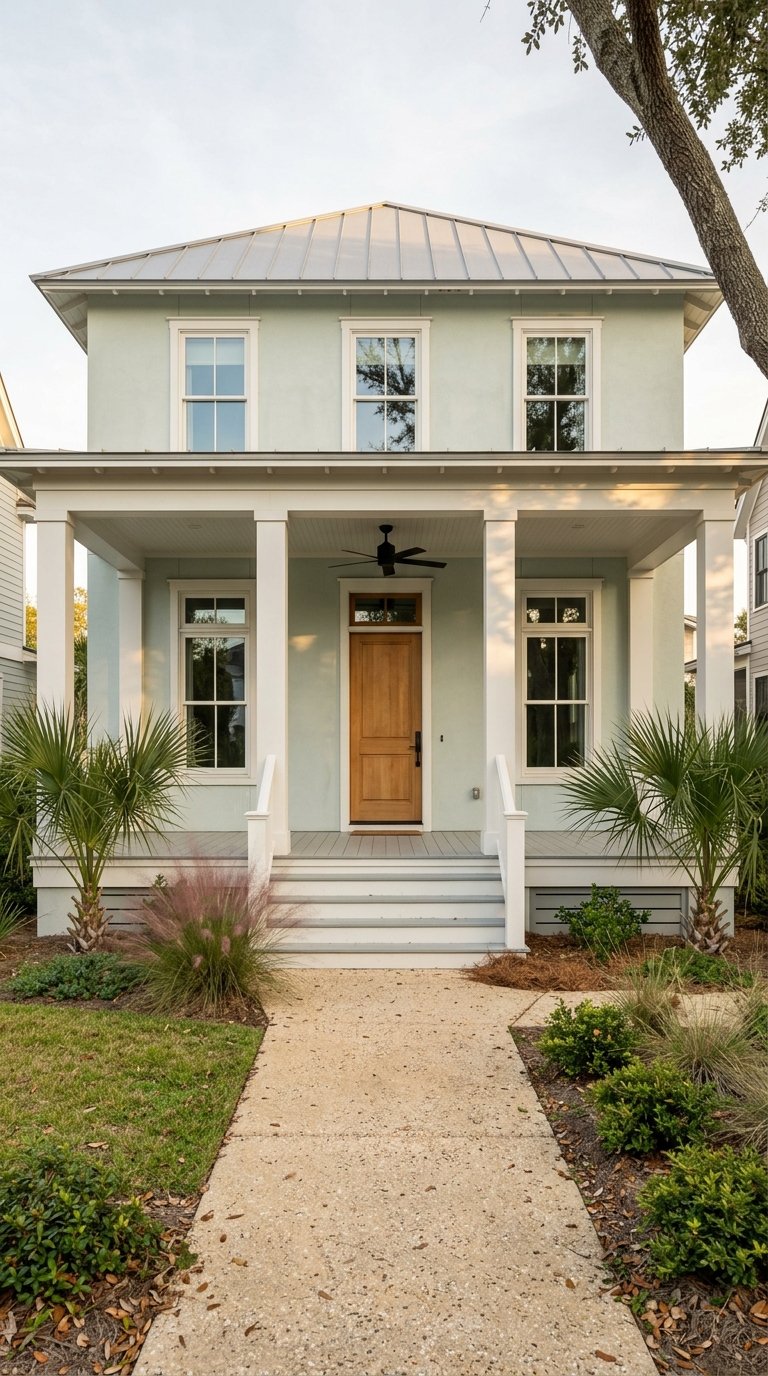
When to Time the Sale of a Folly Beach Home for Demand
If you are thinking about selling on Folly Beach, timing can shape everything from buyer interest to showing logistics. This is not a typical suburban market where the calendar matters a little. On Folly Beach, tourism patterns, weather, and seasonal traffic all influence when buyers are most active and how strongly they respond. Let’s dive in.
Folly Beach moves to a different rhythm than many other Charleston-area markets. It is shaped by beach season, visitor demand, and second-home interest as much as by local resale patterns. That matters when you are deciding when to launch your listing.
The broader Charleston area welcomed more than 7.89 million visitors in 2024, with a tourism impact of $14.03 billion. Tourism also accounted for 23.5% of all sales, with average visitor spending at $1,105 per adult trip. In a market tied this closely to travel and lifestyle demand, your sale timing can affect who sees your home and how they value it.
Current market conditions also support a thoughtful approach. As of late March 2026, Folly Beach inventory was in the low 80s, while home values remained in seven-figure territory. CTAR reported a median sales price of $1,335,000 for single-family detached homes, with 85 days on market and sellers receiving 92.1% of original list price.
For many Folly Beach sellers, spring is the strongest window. Buyers are starting to think about summer use, but the island is usually not yet at peak congestion. That gives your home a chance to feel inviting, accessible, and easy to imagine enjoying right away.
Folly Beach’s official visitor information describes spring as one of the most enjoyable times on the island, with fewer crowds and comfortable weather. NOAA climate normals for nearby Charleston show average temperatures rising from 58.8°F in March to 66.0°F in April, 73.5°F in May, and 79.2°F in June. That steady warm-up supports strong photography, easier showings, and a more appealing first impression.
National best-time-to-sell research highlighted April 12 through 18 as a prime listing week in 2026. While Folly Beach has its own local patterns, that lines up well with the island’s seasonal momentum. In practice, a late-March to mid-April launch often puts you in front of buyers just as beach-season excitement starts building.
Spring gives buyers a clear lifestyle picture. They can see the home ahead of summer and imagine immediate use for weekends, vacations, or rental income potential. That emotional connection can matter in a beach market where buyers are often purchasing both a property and a way of life.
Spring can also be easier operationally for sellers. Weather is usually milder, landscaping is fresh, and the island is active without the full pace of summer traffic. If you want strong demand without the heaviest seasonal friction, spring usually offers the best mix.
Summer puts the most eyes on Folly Beach. It is the island’s busiest beach period, with county park amenities, lifeguards, and rentals fully active by Memorial Day and running through Labor Day. If your goal is maximum visibility, summer naturally creates a bigger audience.
That said, more traffic does not always mean a smoother sale. Summer can bring heat, afternoon storms, and more scheduling challenges. If your home is occupied or used as a rental, it may also be harder to coordinate clean showing windows and keep the property consistently presentation-ready.
There is also a weather factor sellers should weigh carefully. Atlantic hurricane season runs from June 1 through November 30. That does not mean summer is a poor time to list, but it does mean your pricing, preparation, and showing strategy should be especially thoughtful.
Summer can be a strong listing season for a home with obvious vacation appeal. Properties with compelling outdoor spaces, beach proximity, flexible sleeping arrangements, or a clean rental story may resonate especially well during this period. Buyers visiting the area can experience Folly Beach at its most active and picture the home in full use.
If you list in summer, presentation becomes even more important. The home needs to feel easy, polished, and ready for the season buyers are standing in right now.
Fall is often overlooked, but it can be a very useful window for Folly Beach sellers. Official visitor content suggests the beach off-season generally falls between November and February, which means September and October still sit in an active shoulder period. That can give you meaningful buyer traffic without the full crush of summer.
Folly Beach also notes that many annual events take place between early fall and early spring. That helps keep attention on the island after peak beach season ends. For sellers, that can translate into a calmer but still engaged pool of buyers.
Fall can be attractive if you want a more manageable listing process. The island is still lively, but access is often easier, and your home may not compete with the same level of summer movement. Buyers shopping in fall may also be more deliberate, especially those looking for a second home, an investment opportunity, or a purchase before the next peak season.
Winter is usually the slowest tourism period on Folly Beach. That tends to reduce casual browsing and vacation-driven walk-throughs. At first glance, that may sound like a disadvantage, but lower traffic can also create a more focused selling environment.
Serious buyers still shop in winter. That may include local buyers, relocators, and investors who are less tied to vacation timing. If your home is well-prepared and priced carefully, winter can still be productive, especially if your priorities include less competition and more time to get the property market-ready.
Understanding the buyer pool helps clarify why timing matters so much here. Folly Beach attracts more than one type of buyer, and each group responds to the calendar a little differently. That makes a one-size-fits-all listing plan less effective.
Many buyers are looking at Folly Beach as a second home or investment. The city requires short-term rental licensing, registration, and tax compliance, and it notes a cap on investor licenses. Because of that, buyers often look closely at a property’s rental history, legal compliance, usable bedroom count, and how easily the home can function as a vacation property.
The area also benefits from Charleston’s large visitor economy. With nearly 7.9 million visitors in 2024 and record lodging activity in the region, demand is supported by a broad mix of people who know the area, visit often, or want a stake in a market tied to both lifestyle and income potential.
No matter when you plan to sell, preparation has a direct effect on demand. On Folly Beach, buyers notice visual details quickly. Salt air, humidity, storm exposure, and exterior wear all show up more clearly in a coastal environment.
Before listing, focus on the basics that help a home show well:
Professional photography matters even more in this setting. Folly Beach homes are often judged first through visuals, and buyers may compare your property not just to other listings, but also to polished vacation-rental marketing. Strong imagery and a thoughtful presentation can help your home stand out in a crowded visual field.
If your home has been used as a rental, document prep should start well before launch. Buyers may ask for short-term rental licensing, registration, tax records, and booking history. Having that ready can reduce friction during due diligence.
It also helps to organize any HOA documents, relevant insurance or flood information, and local comparable sales before going live. In a high-value coastal market, buyers tend to move more confidently when the facts are easy to review.
For most sellers, the strongest demand window on Folly Beach is usually late March through May. Mid-April often stands out as the sweet spot because it aligns with improving weather, growing seasonal energy, and easier access before summer congestion sets in.
Summer can still be effective, especially for homes with strong vacation appeal or a compelling rental story. Fall is a smart option if you want active traffic with a more relaxed pace. Winter tends to bring fewer casual shoppers, but it can still work for sellers who value a quieter process and are targeting serious buyers.
The right timing for your sale depends on more than the month alone. It also depends on your home’s condition, usage, buyer appeal, and how well it is positioned in the market. On Folly Beach, the best results usually come from matching the launch window to the property itself, then presenting it with care.
If you are weighing the best moment to sell a Folly Beach home, a tailored strategy can make all the difference. For thoughtful timing, polished presentation, and local guidance, connect with Anna Gruenloh.
Stay up to date on the latest real estate trends.


Anna prides herself in knowing not only the properties that are available on the market but also the people that live and work in Charleston. Anna has a knack for quickly understanding her clients’ bottom-line needs and guiding them toward the home or investment property that will best suit them.