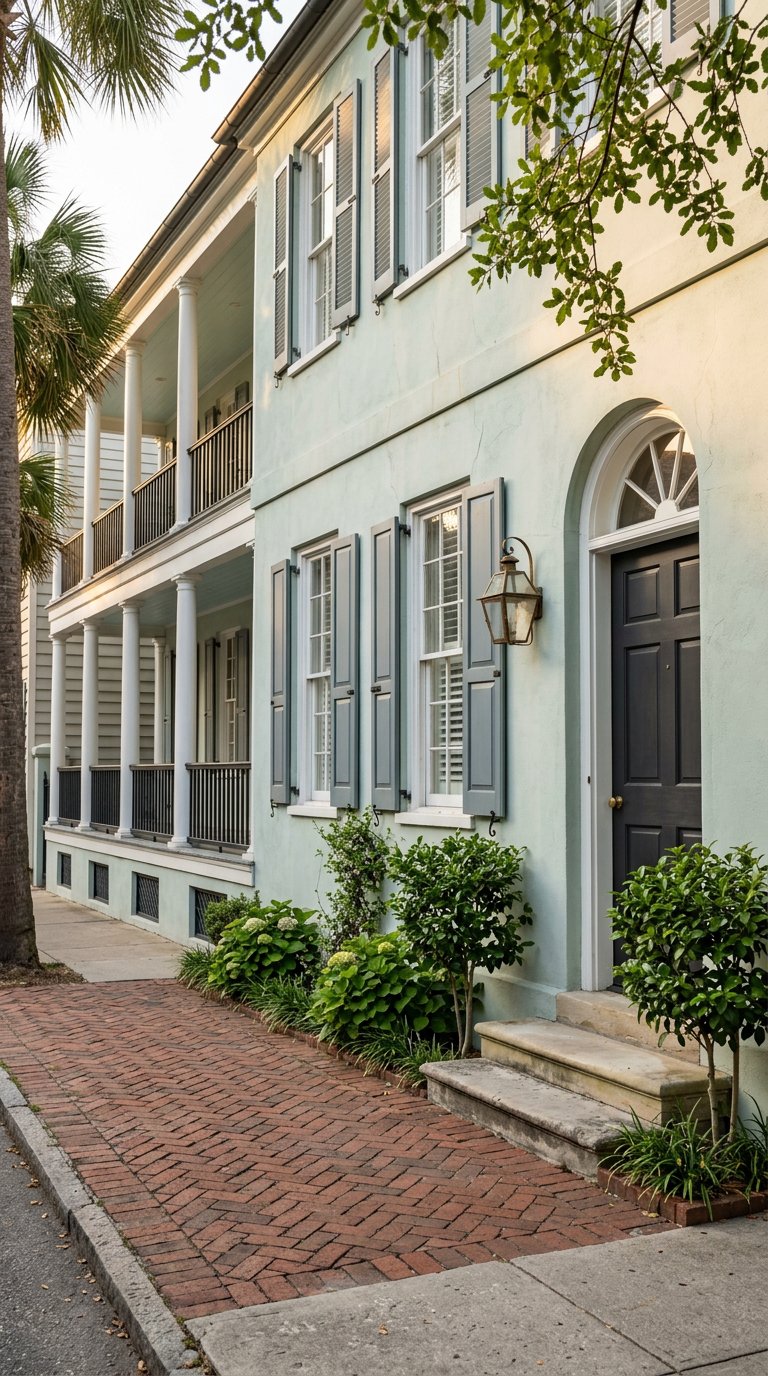
South of Broad Architecture Styles for Smart Buyers
You fall in love with the piazzas and pastel facades, then wonder what that charm means for layout, light, and long-term upkeep. If you are buying South of Broad, understanding the house types will help you read listings faster and tour homes with a sharper eye. In this guide, you will learn how to spot the major architectural forms, what they typically imply for daily living, and what to expect when it comes to maintenance and approvals. Let’s dive in.
In Charleston, house “types” describe the plan and urban form as much as the decorative style. Once you can recognize a single house, double house, or rowhouse from the street, you can predict how the rooms stack, how the light moves, and what outdoor spaces you will have. That knowledge makes it easier to decide what fits your lifestyle.
Many South of Broad properties sit inside local historic districts. Exterior changes visible from the street are often reviewed by the City’s Board of Architectural Review, which issues approvals for work that affects the character of the home. You can review the City’s process and boundaries on the Board of Architectural Review page at the City of Charleston website.
A narrow gable end faces the street, and stacked side porches, called piazzas, run the long side of the house. The street “front door” may be a decorative screen, with the true entry from the side piazza. This is Charleston’s signature form. For a concise explanation and visuals, see Charleston Magazine’s overview of the single house.
Inside, you often get one room in width and two rooms in depth per floor, with a slim hall or stair. Tall windows and doors open to the piazza for cross-breezes and generous light. Ceilings and sash are typically high, which helps rooms feel bright and airy.
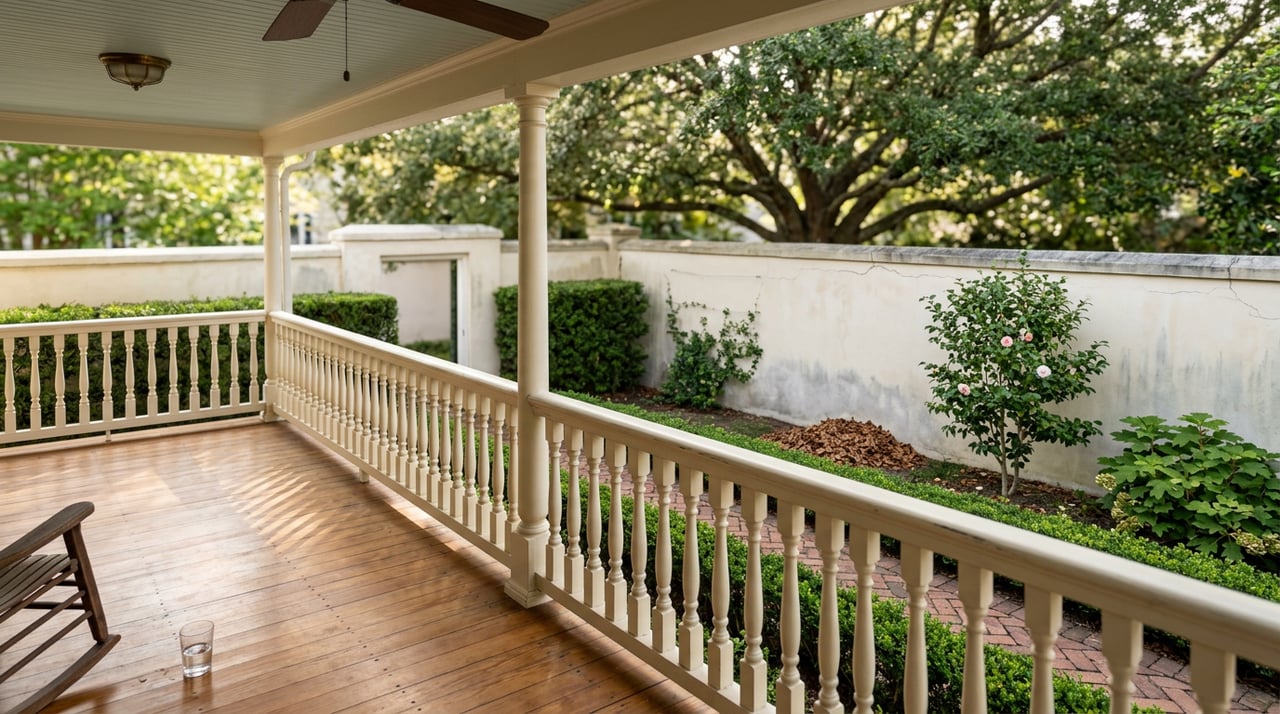
The piazza functions as your main semi-private outdoor room. Most gardens sit behind the house, sometimes with historic outbuildings along alleys or courtyards. These porches are prized living space, but changes visible from the street may require review by the City.
Expect recurring attention to multi-level piazzas, historic windows, raised foundations, and layered finishes. If you plan updates, confirm whether a preservation easement exists and whether interior features are protected. Owners of protected properties typically coordinate with easement holders on alterations.
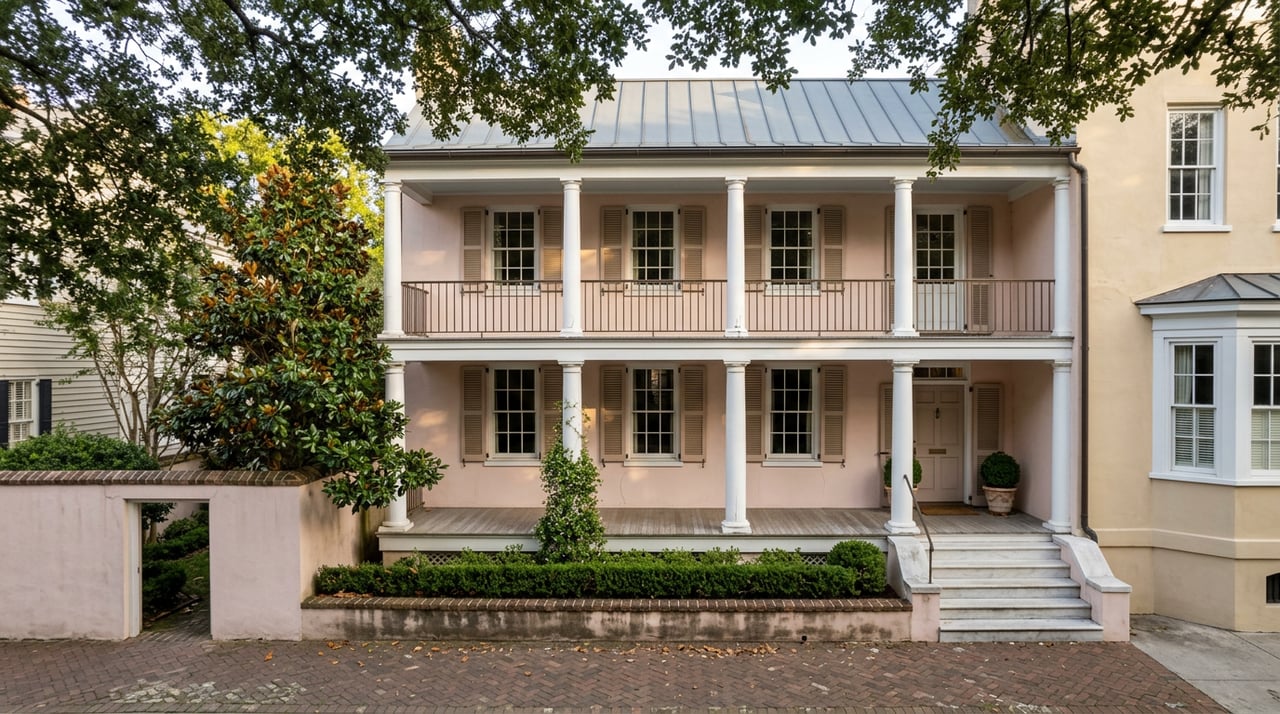
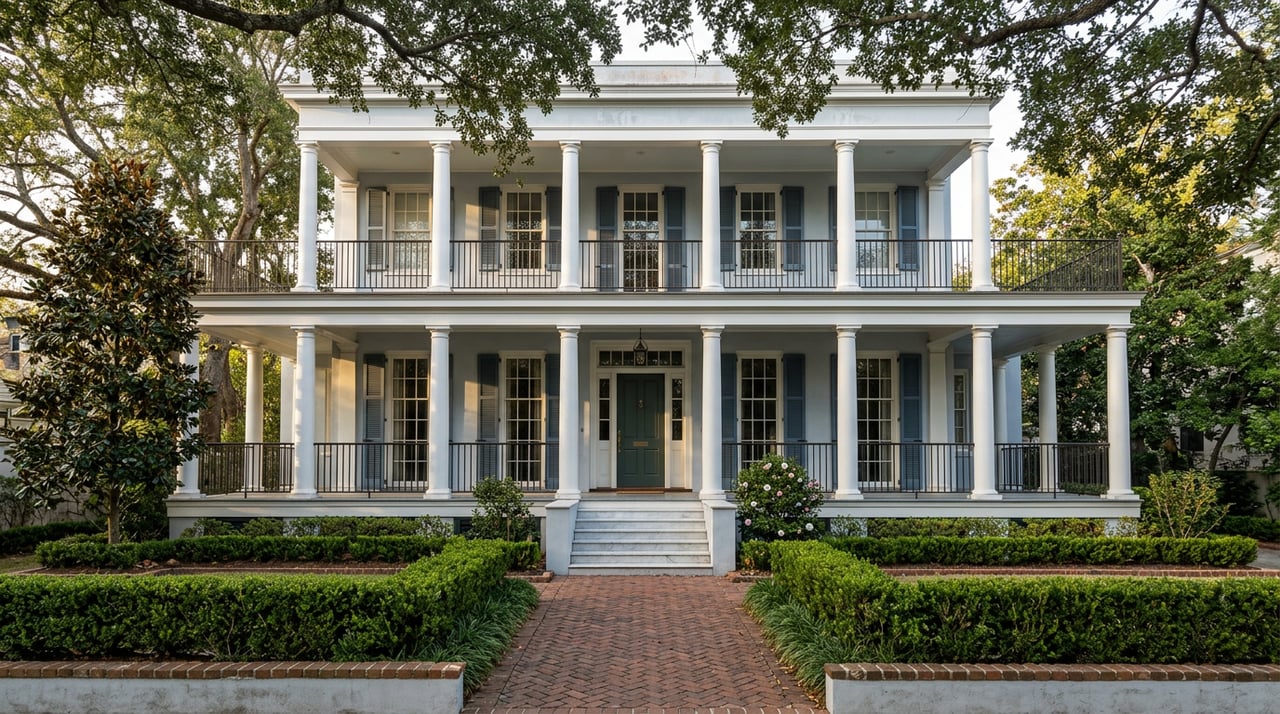
A double house presents a wide, symmetrical facade to the street with a centered or ornamented entry. Inside, the center hall divides four primary rooms per floor. On the Battery and Meeting Street you will see the largest, most formal examples. The SC Department of Archives & History describes the classic center-hall plan and its features in a representative listing.
The center hall organizes movement and brings daylight deeper into the plan through transoms and tall windows. You often find formal rooms at the front and service spaces toward the rear or in dependencies. Grand homes may include multiple parlors, a ballroom, and statement staircases.
These properties tend to sit on larger lots with walled gardens and high basements. The principal outdoor amenity is often a formal garden or courtyard with strong privacy.
You will likely encounter more original masonry, plaster, and high-end millwork. That means specialist trades and higher costs to heat, cool, and maintain large volumes and rooflines. Check for easements and any public access agreements on notable properties.
Rowhouses read as a continuous streetwall of closely spaced or attached homes. The most famous local example, Rainbow Row on East Bay, features a pastel block of Georgian-era townhouses. These houses typically have narrow street fronts and stacked floors.
Interiors are often deeper than single houses but have less side yard space. Daylight usually comes from the front and back facades, plus stair landings or light wells where present. Some rowhouses have been subdivided over time or adapted as condominiums.
Expect small rear yards, walled alleys, or compact courtyards. Off-street parking is limited and varies by address. Party walls and close lot lines are common.
Painted facades and masonry are character-defining and subject to review in historic districts. Mechanical systems may route vertically, and stair-heavy layouts can affect accessibility.
Smaller cottages and rear outbuildings appear along lanes or behind primary houses. Many have been adapted into guest suites or separate units. You may see creative daylight strategies, like skylights or interior windows.
Confirm whether an outbuilding is original and whether it is separately regulated under local review or governed by an easement. These structures can offer flexibility, but approvals may be needed for exterior changes.
Charleston’s peninsula experiences recurrent high-tide and storm-related flooding. Research shows nuisance flooding events have increased over time. If you are buying in a low-lying area, review the flood zone, request any elevation certificates, and budget for insurance and resilience work.
Elevating historic homes is an established path in Charleston, but it is design sensitive. The City publishes clear guidance on elevating structures, including how to handle new foundation heights and visible streetscape changes. Factor these steps into your timeline if you are evaluating a lower-elevation property.
Termites are a known Lowcountry risk, including the Formosan subterranean termite in Charleston County. Plan for regular inspections, treatment where needed, and diligent moisture control, especially in crawlspaces and around porches. A licensed local inspector who understands species risk and historic assemblies is invaluable.
Helpful references:
Many South of Broad exteriors fall under the City’s Board of Architectural Review. If your project alters what is visible from the street, expect to pursue a Certificate of Appropriateness or staff-level review. It is best to consult the City’s BAR resources early in your planning.
Preservation easements are common in this area. Easements can protect exterior or interior features and will shape what you can change. Owners work with the easement holder on proposed alterations and stewardship. Ask for the recorded easement document during due diligence and review the scope.
On substantial rehabilitation projects, you may be eligible for incentives. South Carolina offers state historic rehabilitation tax incentives that coordinate with the federal program. Rules differ for owner-occupied versus income-producing properties, and pre-approval is required. Consult the SC Department of Archives & History guidance before any work begins so you do not miss required steps.
Key links:
Use this quick list when scanning listings or walking the neighborhood.
If your vision includes restoring windows, rebuilding a piazza, or elevating a foundation, align your scope with local review early. The BAR can help you navigate what is appropriate and what documentation you need. For homes with easements, coordinate with the holder on protected features and acceptable methods. If your project may qualify for credits, start with SCDAH’s guidance before the first permit application.
Understanding these house types puts you ahead before you write an offer. If you want help matching lifestyle needs to the right plan, pressure-testing renovation scope, or connecting with the right inspectors and craftspeople, reach out. With deep experience in historic properties on the peninsula, Anna Gruenloh can guide you with clear steps, local resources, and a calm, boutique approach.
Stay up to date on the latest real estate trends.
Anna prides herself in knowing not only the properties that are available on the market but also the people that live and work in Charleston. Anna has a knack for quickly understanding her clients’ bottom-line needs and guiding them toward the home or investment property that will best suit them.