Outdoor Living Near Westside Homes: Parks, Paths, And River
If you want city living without giving up green space, Westside deserves a closer look. On Charleston’s peninsula, this neighborhood puts you near some of the area’s most useful outdoor amenities, from large park trails to riverfront paths and everyday walkable streets. If you are weighing lifestyle as much as square footage, understanding how Westside connects to parks, paths, and the Ashley River can help you see the bigger picture. Let’s dive in.
Westside offers an urban, connected version of outdoor living. In the City of Charleston’s neighborhood spotlight, Westside is described as a community where neighbors know one another and where livability, beautification, and youth mentorship remain active priorities. That same city overview also highlights the neighborhood’s long-standing African American cultural influence and its identity as a place to live, walk, eat, and play. You can read more in the city’s Westside neighborhood spotlight.
That outdoor feel is also supported by the broader peninsula. The City of Charleston says it owns and maintains 120 parks totaling about 1,809 acres of parks and open space, which helps explain why nearby recreation is such a visible part of daily life in this part of town. For buyers who want easier access to fresh air without leaving the city, Westside stands out.
If you are looking for the park that most strongly supports an active routine, Hampton Park is the first place to know. The city lists trails, a playground, restrooms, picnic tables, a drinking fountain, parking, and a physical fitness trail among its amenities at Hampton Park. That mix makes it useful for morning walks, casual exercise, and longer weekend outings.
The park also brings a more scenic side to daily use. Its official page notes extensive floral displays, an old rose collection, and seasonal plantings, so it feels more layered than a simple open lawn. The city’s Walk, Run & Roll program, which periodically restricts vehicles for exercise use, reinforces Hampton Park’s role as a true lifestyle destination.
Brittlebank Park offers a different kind of outdoor experience. Located on Lockwood Drive next to Joe Riley Baseball Field, it gives you benches, picnic tables, a playground, and open waterfront space, according to the city’s Brittlebank Park page. It works well as a place to pause, meet friends, or spend time outside near the river.
It is important to think of Brittlebank as a riverfront green space rather than a swim destination. The city notes that swimming and jumping off docks or piers are not allowed. In practical terms, that means the park is best enjoyed for views, breezes, and easy outdoor downtime.
For a quieter river-edge experience, Ashley River Walk is one of the most appealing stretches near Westside. The city lists benches and trails along Lockwood Drive on its Ashley River Walk facility page. If your ideal evening includes a waterfront walk instead of a long drive to a destination, this is the kind of amenity that adds real day-to-day value.
Ashley River Walk and Brittlebank Park are especially helpful to think about together. Both support a slower outdoor rhythm, with room for strolling, sitting, and taking in the water. For many buyers, that is the kind of practical luxury that makes peninsula living feel more livable.
One of the strongest parts of the Westside story is that connectivity is not standing still. The city’s Ashley River Crossing project is designed to connect West Ashley Greenway, Brittlebank Park, and Ashley River Walk, which points to a more linked riverfront experience over time. For anyone thinking long term about how a neighborhood functions, that matters.
This is not the only sign of improving access. The city’s Spring Cannon Corridor Plan called for a gateway park connecting Ashley River Walk and Brittlebank Park with the medical complex and nearby neighborhoods, along with sidewalks, pedestrian crossings, street trees, and pedestrian lighting. The city says the funded construction associated with that plan was completed between 2014 and 2018.
There is also a future-facing layer to the peninsula’s outdoor network. The city says the Lowcountry Lowline is under construction as a 1.6-mile pedestrian and bicycle corridor from Mount Pleasant Street to Line Street, with completion estimated for June 2027. For buyers watching Charleston’s evolution, that project signals continued investment in walkability and greenway-style access.
WestEdge also plays an important role in how outdoor living works near Westside. Its official site places the district along the Ashley River between Brittlebank Park, Joe Riley Stadium, and the Medical District, with an emphasis on connectivity, communal space, and riverfront views. You can explore that setting on the WestEdge website.
That matters because Westside is not defined by one single housing type or one single streetscape. Instead, the area benefits from a mix of older neighborhood fabric and newer mixed-use development near the river. For buyers, that can open up more ways to prioritize walkability, views, and access to everyday amenities.
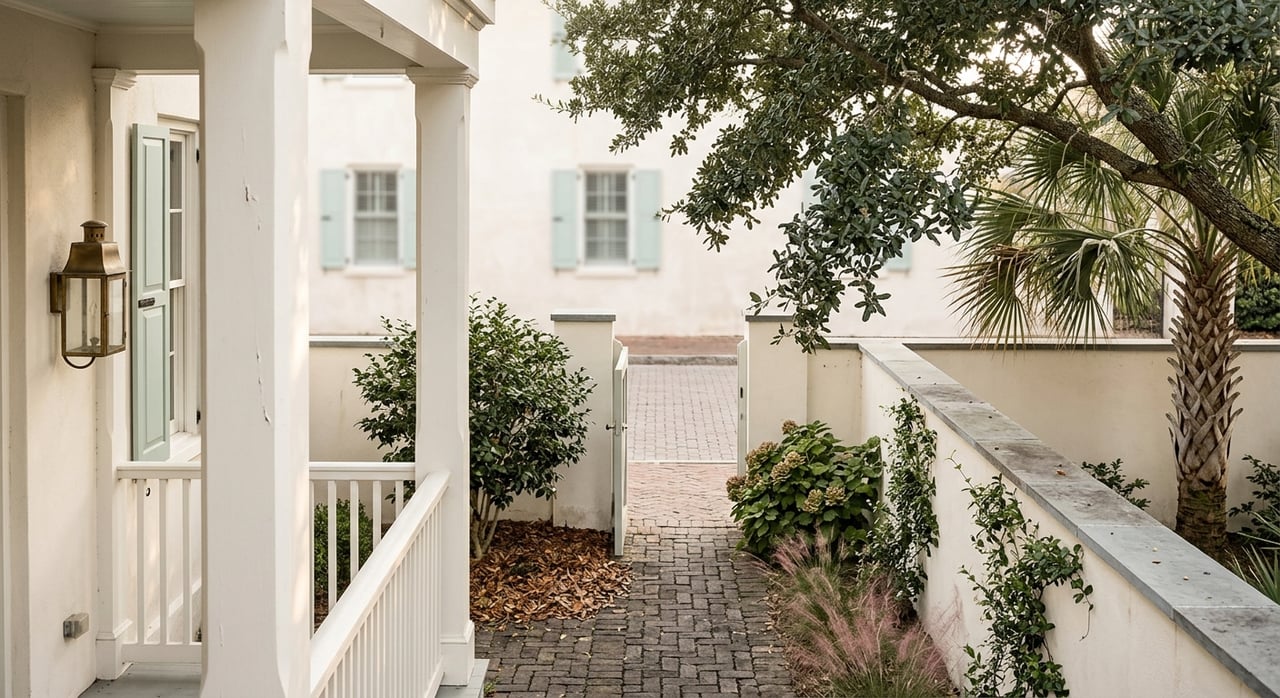
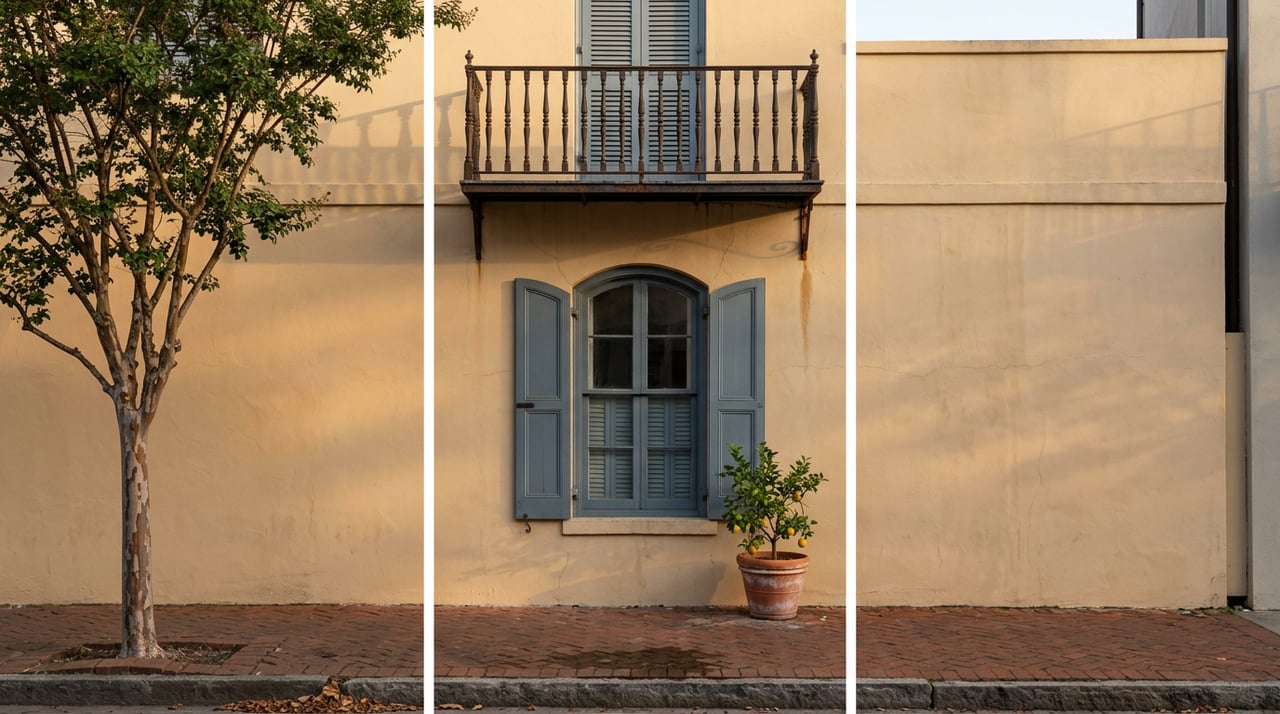
Westside’s outdoor lifestyle is shaped by its compact, urban form. A cultural-resources report describes Wilson’s Farm, a Westside sub-area, as having two-story houses, narrow setbacks of roughly 10 to 15 feet, closely spaced homes, and some street trees. That kind of layout tends to create a more connected street experience, where sidewalks, porches, and short distances matter.
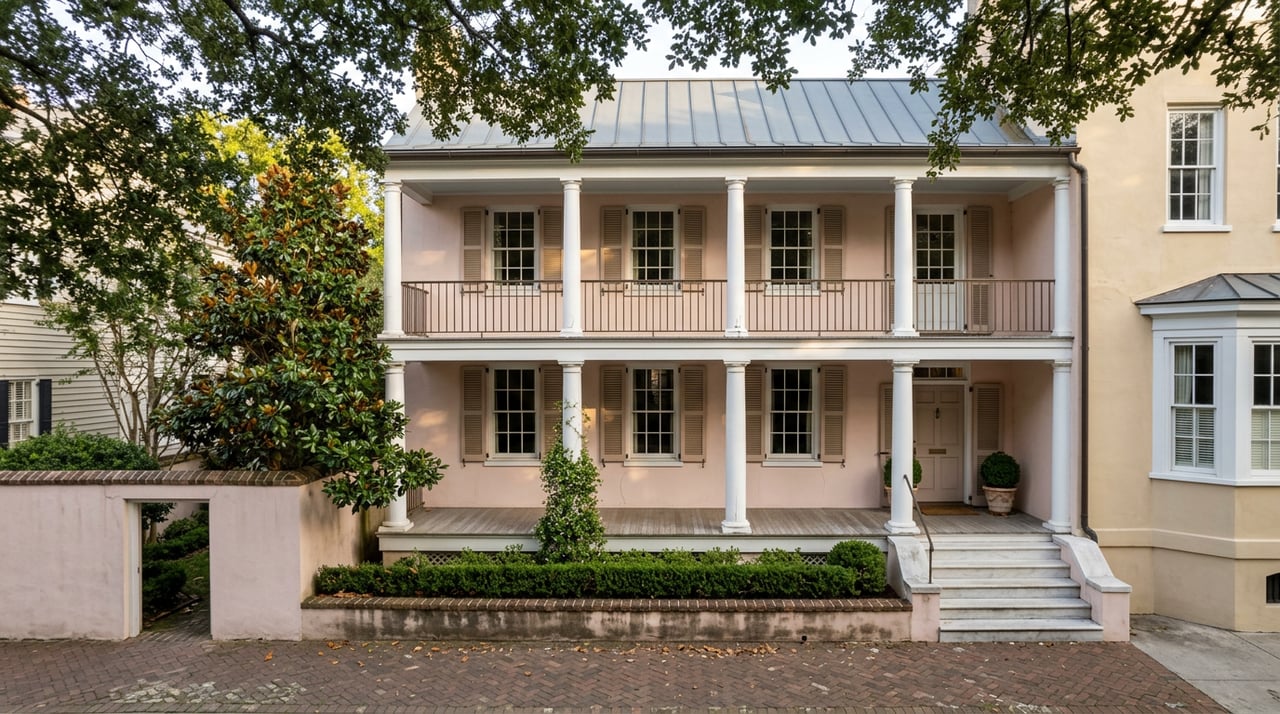
The surrounding peninsula adds more architectural texture. In the broader Charleston Historic District, the built environment includes Charleston single houses with gable ends facing the street and tiered piazzas, along with a wide range of historic styles and outbuildings, according to the South Carolina Department of Archives and History. That architectural pattern helps explain why so many peninsula blocks feel human-scaled and visually interesting on foot.
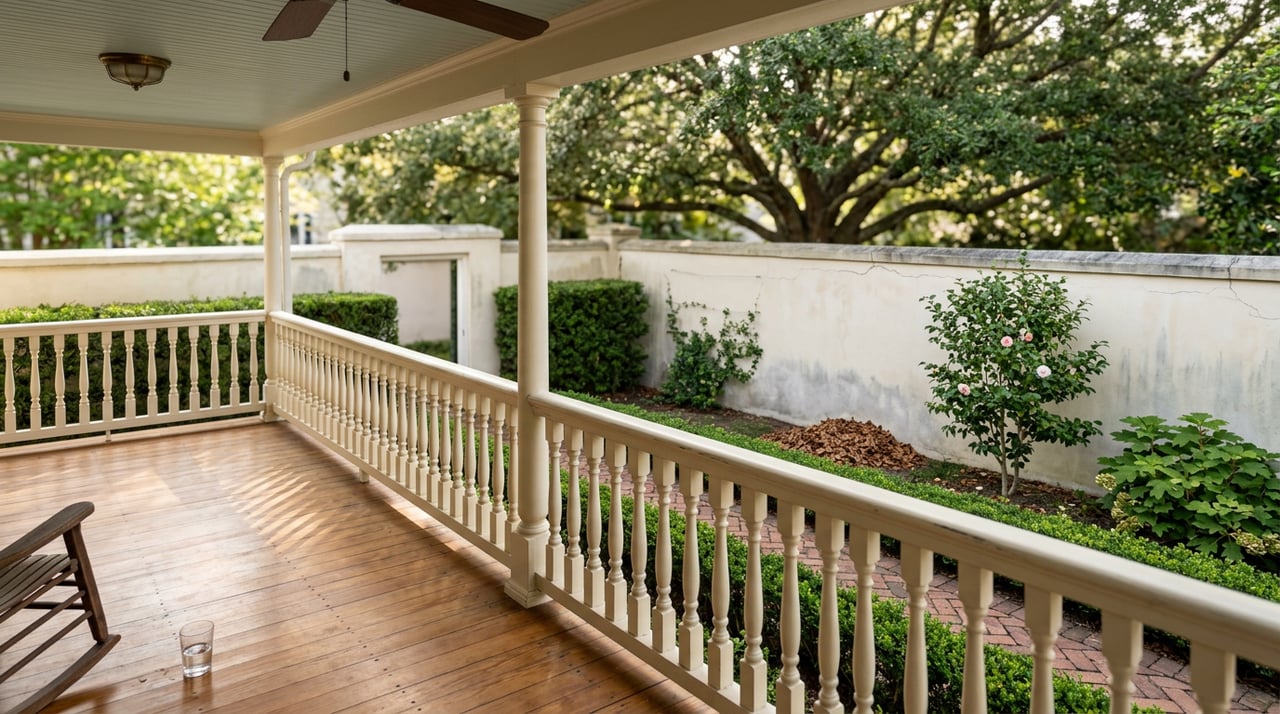
Nearby Hampton Park Terrace adds another layer. The same cultural-resources report notes that the area was laid out in the early 1910s and is known for Prairie, Foursquare, Colonial Revival, Craftsman, and Bungalow houses. Taken together, Westside and the surrounding area read as a blend of porch-forward homes, older peninsula streets, and newer riverfront living rather than one uniform look.
When you buy near Westside, you are not just choosing a house or condo. You are choosing how easily you can build outdoor time into your week. That might mean starting your day at Hampton Park, meeting friends near the river at Brittlebank, or taking an evening walk along Ashley River Walk.
For many buyers, that kind of access changes how a home feels over time. A compact home can live larger when nearby parks become an extension of your routine. A walkable street can feel more valuable when it connects you to water views, open space, and a stronger sense of place.
If you own property near Westside, outdoor proximity is an important part of your home’s story. Buyers often respond to the full lifestyle picture, not only the interior details. Access to major parks, riverfront paths, and improving pedestrian connections can help shape how they understand value.
This is especially true on the peninsula, where location details tend to carry weight. A thoughtful marketing strategy should show how your property relates to the surrounding neighborhood, including nearby green space, streetscape character, and river access. When presented clearly, those features help buyers picture daily life, not just a floor plan.
If you are thinking about buying or selling near Westside, working with a local advisor who understands Charleston’s peninsula fabric, historic context, and block-by-block lifestyle differences can make the process much clearer. To talk through Westside, nearby historic homes, or riverfront-adjacent opportunities, connect with Anna Gruenloh.
Stay up to date on the latest real estate trends.

Anna prides herself in knowing not only the properties that are available on the market but also the people that live and work in Charleston. Anna has a knack for quickly understanding her clients’ bottom-line needs and guiding them toward the home or investment property that will best suit them.