How To Price Your Hampton Park Terrace Home To Sell
Pricing a Hampton Park Terrace home is not about picking a single number. In a small, historic neighborhood where one sale can swing the median by millions, you need a clear, local plan. If you want top dollar without lingering on the market, the right list price on day one is your edge. In this guide, you will learn how a professional CMA works, which features move value in Hampton Park Terrace, proven pricing strategies, and a practical pre-listing checklist. Let’s dive in.
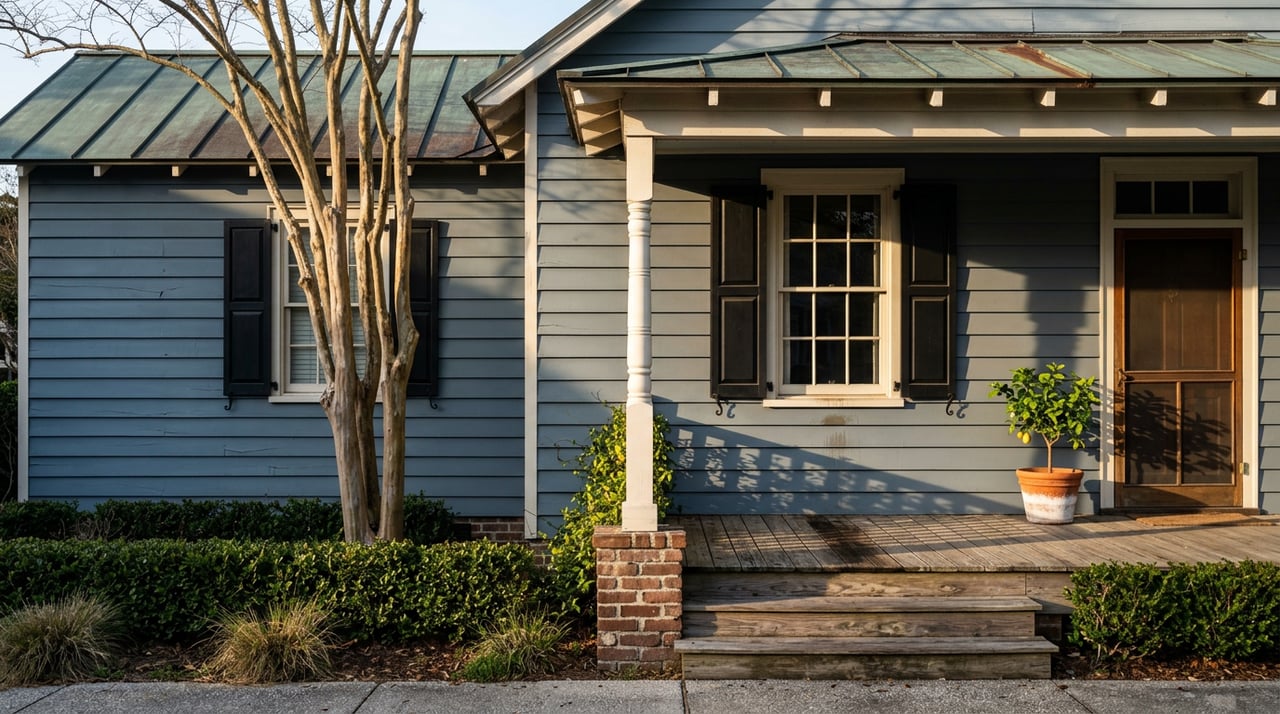
Hampton Park Terrace is a peninsular, early 20th-century planned neighborhood beside Hampton Park. Bungalows, Craftsman and Foursquare variations, larger renovated historic homes, and direct park access shape what buyers value here. The City of Charleston’s neighborhood profile outlines the area’s history, boundaries, and architectural character, which helps set context for value. You can review that background in the city’s Hampton Park Terrace spotlight from the City of Charleston.
Small neighborhoods with few monthly sales often show volatile medians. In February 2026, public portals reported a median as high as about 3.2 million dollars, but a single high-end closing can drive that number. Recent individual sales across 2024 to 2026 ranged roughly from about 1.2 million dollars for renovated bungalows to 2 to 3.2 million dollars for larger, renovated homes with bigger lots, pools, or park views. In short, use recent closed comparables and the local MLS for pricing, not a one-month headline median.
For the most defensible pricing, your agent will pull Hampton Park Terrace comps from the Charleston Trident Association of REALTORS MLS and show how your home aligns with actual buyer behavior in this micro-market.
A Comparative Market Analysis is the primary tool agents use to price a home. It is not an appraisal, but it relies on many of the same inputs and logic.
Your agent will focus on recent closed sales of truly similar homes within the same micro-market, ideally within the last 3 to 6 months. They will weigh location by street or block, square footage within a common tolerance, bed and bath count, lot size, and level of renovation. Active and pending listings show current competition, but closed sales carry the most weight.
For an overview of what goes into pricing, review the National Association of REALTORS consumer guide on pricing your home.
Dollar or percentage adjustments reconcile differences between your home and each comp. In Hampton Park Terrace, features that commonly move value include:
Your agent should cite comparable examples that illustrate these attributes and explain each adjustment. NAR’s guidance outlines how agents document and defend these choices.
The MLS is the authoritative source for closed sales, with additional context from public records. Many agents also use modern CMA platforms and RPR’s AI-enhanced CMA to speed comp selection while keeping final judgment in the agent’s hands. Portal estimates can be a starting point, but they are not your final price.
Ask every agent you interview for a clear, written pricing rationale. A strong CMA deliverable usually includes:
Pricing strategy sets the tone for your first weeks on market, which are statistically your best window for top offers. NAR guidance and national summaries show homes priced correctly at launch sell faster and closer to asking.
“Most sellers capture their best price in the first 2 to 4 weeks on market.”
Source: HomeLight’s analysis of pricing and reduction timing.
List within the CMA-supported range based on the most similar, recent closed sales. This approach often balances speed and final proceeds in balanced conditions.
Sometimes sellers choose to launch slightly below the midpoint of the CMA range to attract more buyers and encourage multiple offers. This can be effective when demand is high or the seller prioritizes speed and certainty. It also carries the risk of leaving money on the table if demand does not materialize.
If you have time and want to probe buyer appetite, you can test the high end of the range. Understand the tradeoff. Above-market pricing often increases days on market and the likelihood of reductions, which can reduce your eventual sale-to-list ratio if the market rejects the price.
Watch early traffic and feedback closely. If showings are low or buyers consistently cite price as the barrier, re-evaluate within 10 to 21 days. Many agents recommend a single, meaningful reduction instead of several small trims. Before launch, agree on a simple KPI with your agent, such as a target number of qualified showings and at least one offer within the first 14 days. If you miss the target, implement the plan.
Imagine you own a renovated 3-bed, 2.5-bath bungalow of about 2,100 square feet on a mid-block lot with two off-street spaces and no pool.
After line-item adjustments for square footage, finishes, parking, outdoor space, and park proximity, the indicated value might cluster into a tighter band. For example, the adjusted range could land around 1.65 to 1.85 million dollars. If active competition includes one nearby listing at 1.89 million dollars with more updates and another at 1.58 million dollars with inferior outdoor space, a focused launch price near the middle-high of your adjusted range could position you to capture early traffic. Always anchor the final choice to the freshest MLS data.
Use this 6 to 12 month plan to arrive on market priced to win.
Request a local CMA packet. Ask for 3 to 6 closed comps, 2 to 4 actives or pending, DOM and sale-to-list stats, and a written pricing rationale. Request examples that match park adjacency and outdoor spaces. NAR’s pricing guide lists the core components of a professional CMA.
Consider a pre-list inspection. Focus on foundation and crawlspace, roof, HVAC, and electrical. Addressing or disclosing key items early reduces friction with buyers and can be factored into your pricing plan.
Prioritize high-ROI updates. Annual Cost vs Value data shows exterior and curb appeal projects, modest kitchen refreshes, and decks often recoup a higher share of cost than heavy custom work. In HPT, tidy outdoor areas, presentable porches, and clear parking are practical priorities. Align any spend with the CMA ceiling for your block.
Invest in presentation. Professional staging, photography, floor plans, and a compelling online tour help your listing stand out against other downtown options. Highlight porches, yard, views toward Hampton Park, and parking.
Decide launch timing with data. Spring and early summer can be active in Charleston, but your personal timing and current inventory matter most. Ask your agent for a neighborhood-level seasonal snapshot from the MLS.
Prepare a seller net sheet and scenarios. Model your minimum acceptable net proceeds at several potential price points, including likely concessions, so you can act decisively when offers arrive.
Track simple, agreed-upon signals so you can respond quickly.
You get one chance to make a first market impression. The right data, presentation, and launch plan can move you from listed to sold while protecting your bottom line. If you are 6 to 12 months from selling, let’s map your CMA, pre-listing improvements, and an opening price that welcomes early offers. To start a conversation tailored to your home and block, connect with Anna Gruenloh.
Stay up to date on the latest real estate trends.
Anna prides herself in knowing not only the properties that are available on the market but also the people that live and work in Charleston. Anna has a knack for quickly understanding her clients’ bottom-line needs and guiding them toward the home or investment property that will best suit them.