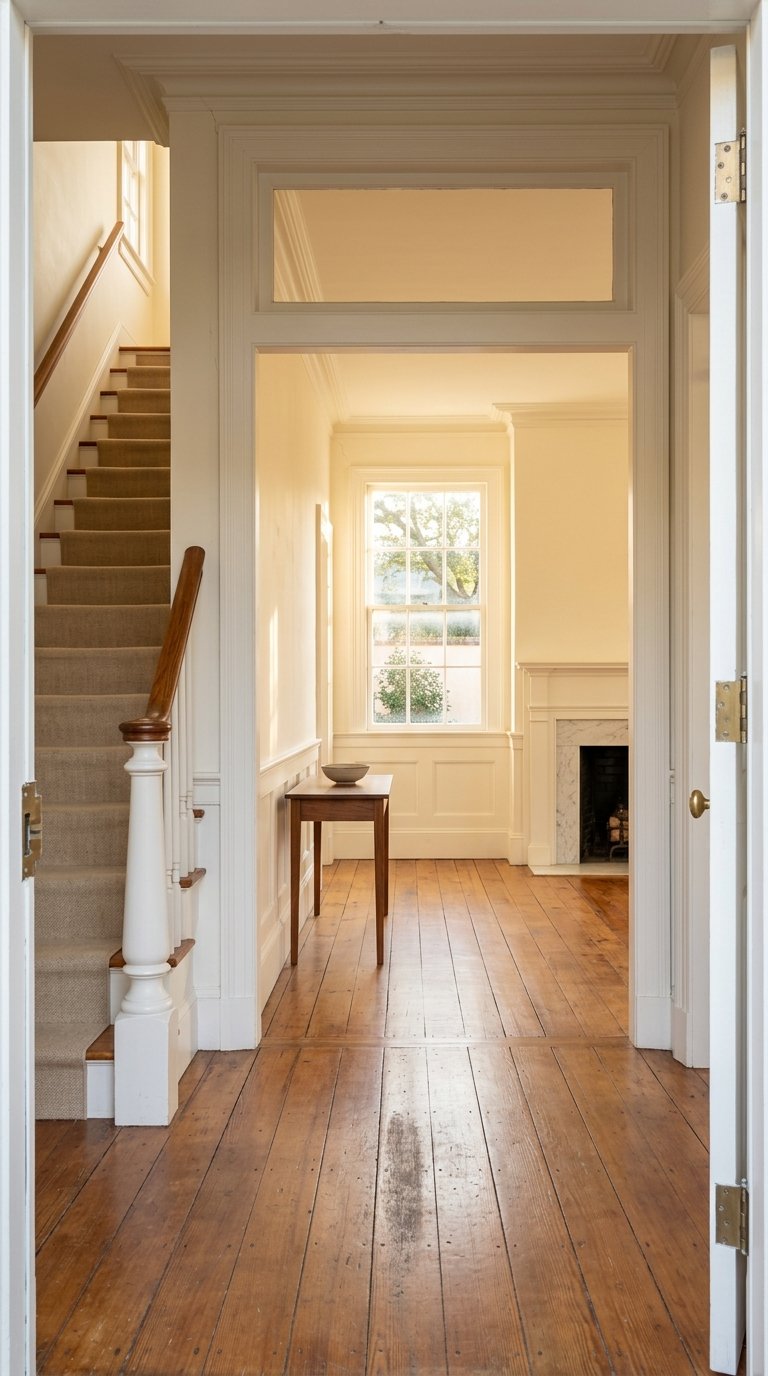
South Of Broad: Renovate Before Selling Or List As-Is?
If you are getting ready to sell a home in South of Broad, one question can shape your whole strategy: should you renovate first or bring the property to market as-is? In a neighborhood where historic character and presentation both matter, the answer is rarely simple. The good news is that you do not have to guess. With the right plan, you can focus on the updates buyers are most likely to value, avoid expensive missteps, and protect the features that make your home special. Let’s dive in.
South of Broad sits in one of Charleston’s most established luxury markets. In March 2026, the median sale price was reported at $3.495 million, with a median 128 days on market and average sale prices about 4% below list. That points to a market where buyers are selective and where condition, presentation, and pricing all carry real weight.
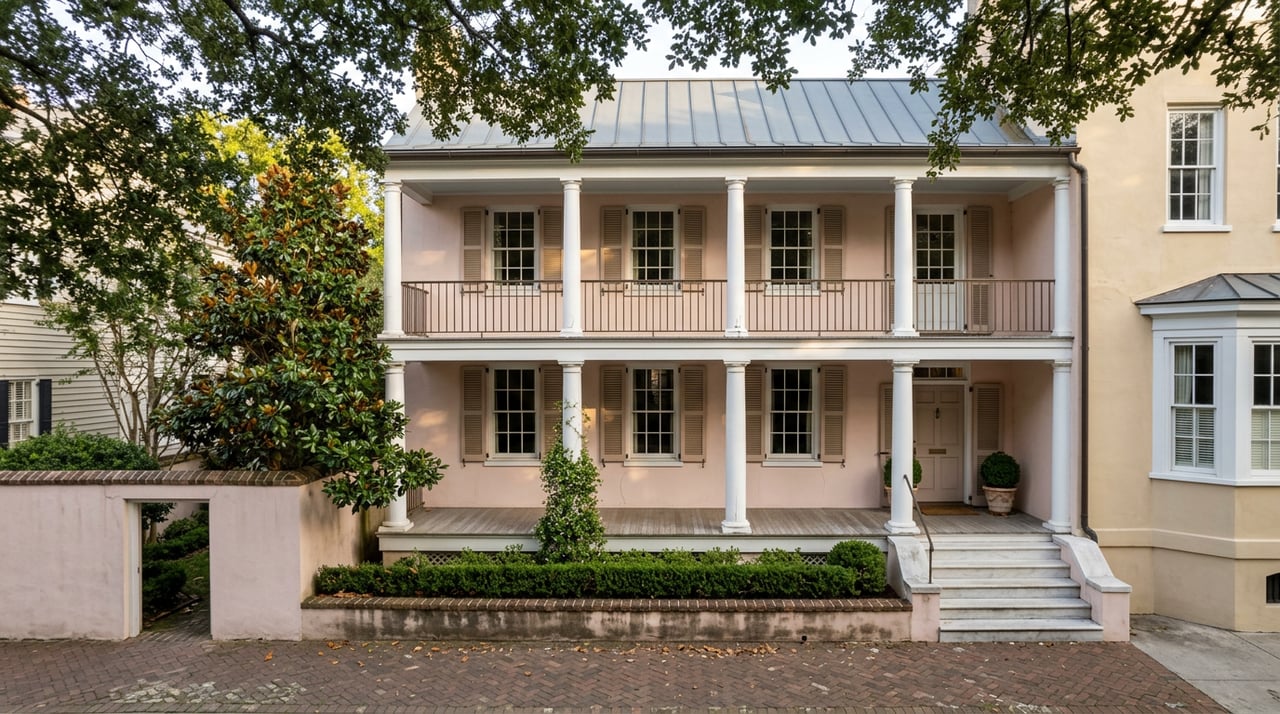
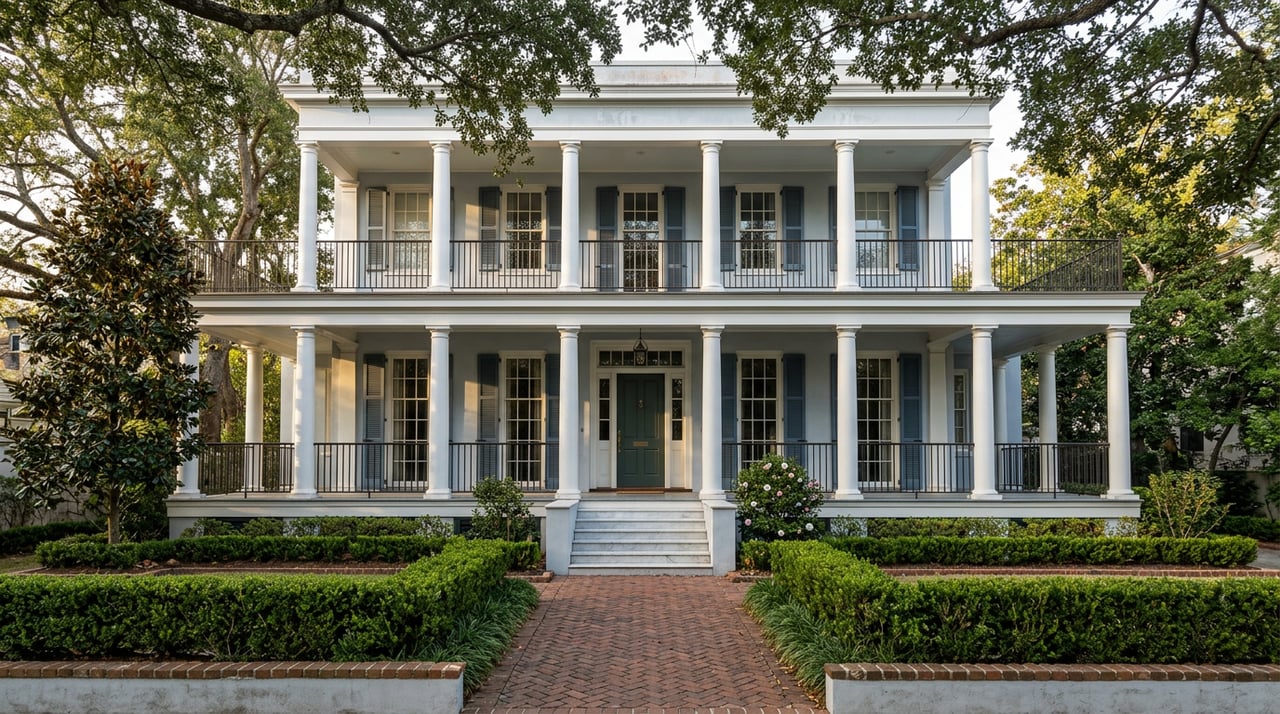
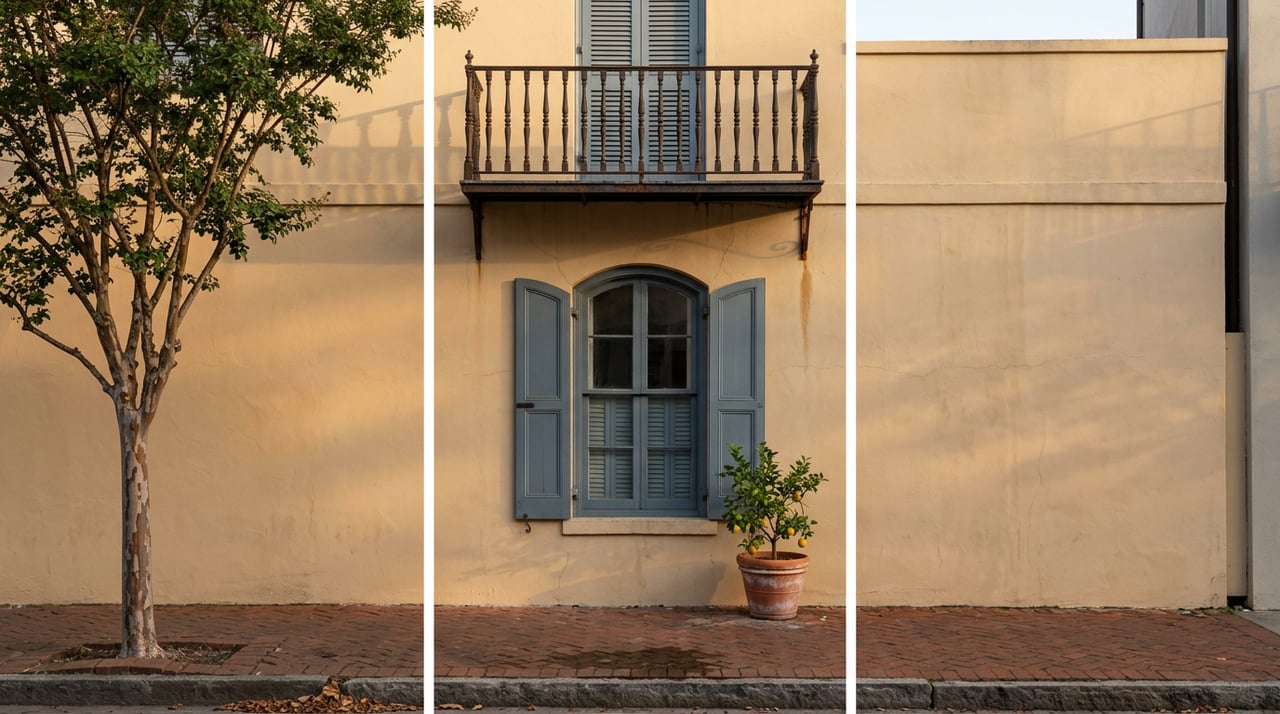
This is also a neighborhood where architectural character is part of the value. Charleston’s historic housing stock, including the well-known Charleston single house form with its narrow street-facing profile and side piazzas, helps define the area’s appeal. In this setting, original materials and craftsmanship are often assets, not obstacles.
That is why the best answer is usually not a full remodel or a pure as-is sale. In South of Broad, a preservation-first, selective-upgrade strategy is often the strongest path.
Luxury buyers tend to notice dated spaces quickly. A national luxury survey found that outdated kitchens are the biggest turnoff, followed by lack of curb appeal and outdated bathrooms. Buyers also showed strong interest in landscaping, indoor-outdoor living, double vanities, kitchen islands, walk-in pantries, and high-end appliances.
Charleston trend data lines up with that broader pattern. In spring 2026, city listings that mentioned large kitchens, open-concept kitchens, crown molding, large living rooms, double sinks, balconies, covered decks, and screened patios posted stronger sale-to-list performance. For South of Broad sellers, that suggests buyers respond to homes that feel polished, functional, and easy to live in.
Just as important, South of Broad buyers are not only paying for modern finishes. They are often paying for authenticity too. A home that blends livability with intact historic details can stand out more than one that has been over-renovated to chase a generic look.
Some projects are easier to justify because they reduce buyer hesitation without changing the soul of the house. If your home already shows well overall, focused improvements can help you present it with more confidence and fewer objections.
Projects that are usually worth considering include:
These projects tend to work because they address visible condition issues buyers may use to discount value. They also align well with Charleston’s preservation standards, which emphasize repair over replacement and encourage compatibility with existing historic materials and design.
Not every property benefits from pre-sale construction. In some cases, the smarter choice is to price the home appropriately, market it well, and let the next owner decide how they want to improve it.
Listing as-is may make sense when:
This can be especially true in South of Broad, where buyers may value original millwork, plaster, windows, and layout more than a newly installed trend-driven finish package. If the house tells a strong architectural story already, over-improving can actually weaken the appeal.
The most expensive project is not always the most profitable one. In historic Charleston, some updates are harder to approve, harder to reverse, or less likely to produce a strong return.
Projects that are more case-by-case include:
These can make sense when the home has clear functional obsolescence or visible condition problems that the market will heavily discount. But if the underlying historic fabric is intact, large-scale changes can be difficult to justify.
Projects that are usually best avoided unless there is true failure or irreversible damage include:
Charleston’s preservation guidance strongly favors repair over replacement. The city’s standards call for retaining historic character, repairing deteriorated features when possible, and making any necessary replacement match the original in design, color, texture, and, where possible, materials.
In South of Broad, renovation decisions are not only about style and budget. They are also about approval timelines, permitting, and whether the work triggers more complexity than expected.
Within Charleston’s historic districts, the Board of Architectural Review, or BAR, reviews new construction and exterior alterations visible from the public right-of-way. Some simpler requests, such as painting, rot repair, and small modifications, are often handled by staff. The city’s Permit Center also notes quick-review paths for paint, in-kind window replacement, minor wood rot repair or siding replacement, and roofs.
That sounds encouraging, but there is an important catch. Even quicker projects can be affected by larger issues such as historic easements or substantial-improvement rules.
If your home is in a Special Flood Hazard Area, Charleston requires permits for all work. The city also states that substantial improvements must meet current flood-design requirements. That means a project you thought was cosmetic could carry bigger costs and design implications once flood compliance enters the picture.
If you are weighing renovate versus as-is, it helps to sort your home into one of three buckets: repair, refresh, or reimagine.
Start with anything that signals neglect or deferred maintenance. Buyers in a luxury market often react quickly to visible issues, even when they are fixable.
Focus first on items like:
These are the issues most likely to invite skepticism during showings and negotiation.
Next, look at cosmetic updates that improve presentation without changing the architectural identity of the home. Small upgrades can make a home feel more cared for and more move-in ready.
Often, that means:
The goal is not to erase history. The goal is to help buyers see how the home lives today.
A full renovation is easiest to justify when it solves a real problem. That could include major system failure, severe condition issues, or a floor plan that the market is likely to discount more heavily than the renovation cost.
Before you take on a larger project, ask two questions:
If the answer to either question is no, the project may not be worth doing before you sell.
One of the most important points for South of Broad sellers is this: original features can be market strengths. Historic Charleston Foundation’s preservation work reflects a long-standing local view that historic fabric deserves protection and can add meaningful value.
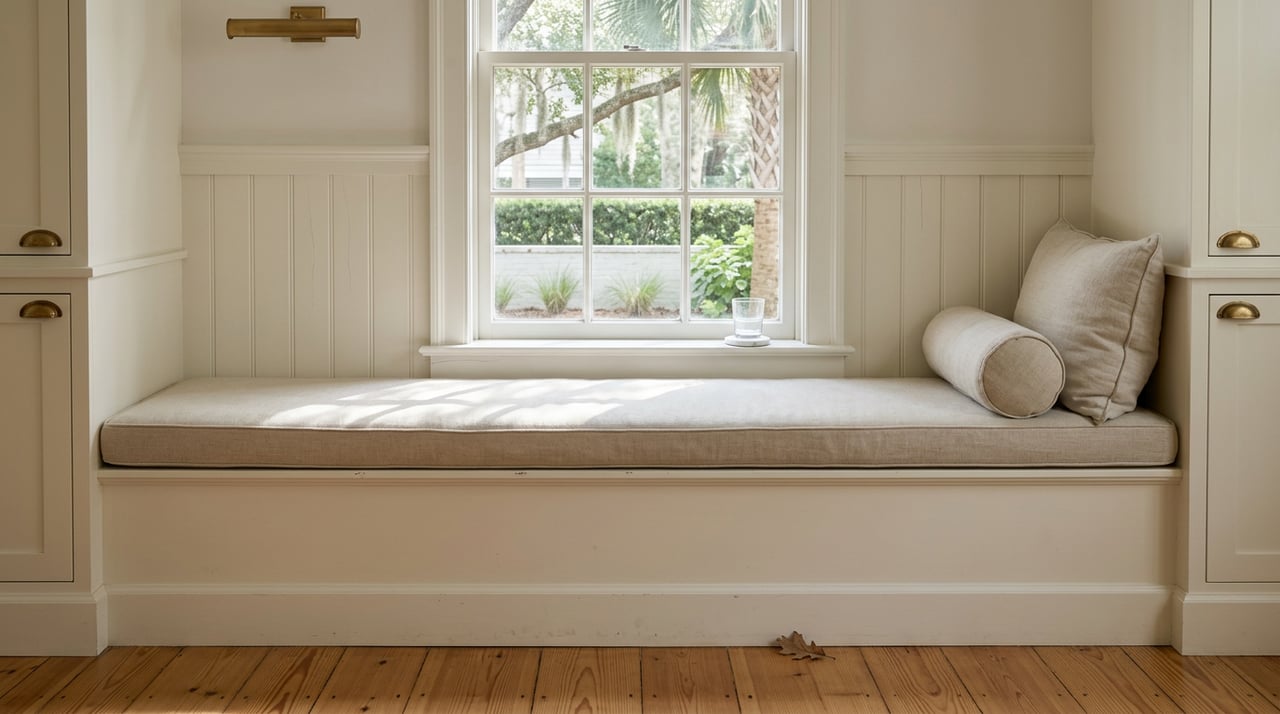
That is why features like original windows, millwork, plaster, roof materials, and traditional architectural details should not automatically be treated as problems to modernize. In many cases, repair and thoughtful presentation do more for value than replacement.
For example, federal preservation guidance cited in the research notes that many historic windows can outlast and outperform replacements when maintained properly. Roof guidance also supports repairing historic roofing materials and replacing only deteriorated portions when needed. In a neighborhood like South of Broad, that repair-first mindset fits both the local rules and the local buyer pool.
In most South of Broad sales, the strongest plan lives between two extremes. You do not need to remodel every room to compete. But you also should not ignore visible condition issues that can make buyers question the whole property.
A smart pre-listing strategy usually looks like this:
That balanced approach respects both the market and the house itself.
If you are preparing to sell in South of Broad, the right answer depends on your property’s condition, historic features, timing, and likely buyer. A careful, local strategy can help you decide where to invest, where to hold back, and how to position the home for the strongest result. If you want a tailored plan for your property, Anna Gruenloh can help you evaluate the tradeoffs and build a listing strategy that fits both the home and the market.
Stay up to date on the latest real estate trends.
Anna prides herself in knowing not only the properties that are available on the market but also the people that live and work in Charleston. Anna has a knack for quickly understanding her clients’ bottom-line needs and guiding them toward the home or investment property that will best suit them.