Is Buying in Ansonborough Charleston the Right Fit?
If you are dreaming about downtown Charleston, Ansonborough can look like the perfect first stop. It offers historic character, a central location, and the kind of walkable daily life many buyers want when they picture living on the peninsula. But it also comes with a premium price point and some very real ownership considerations, so it helps to look at the full picture before you decide. Let’s dive in.
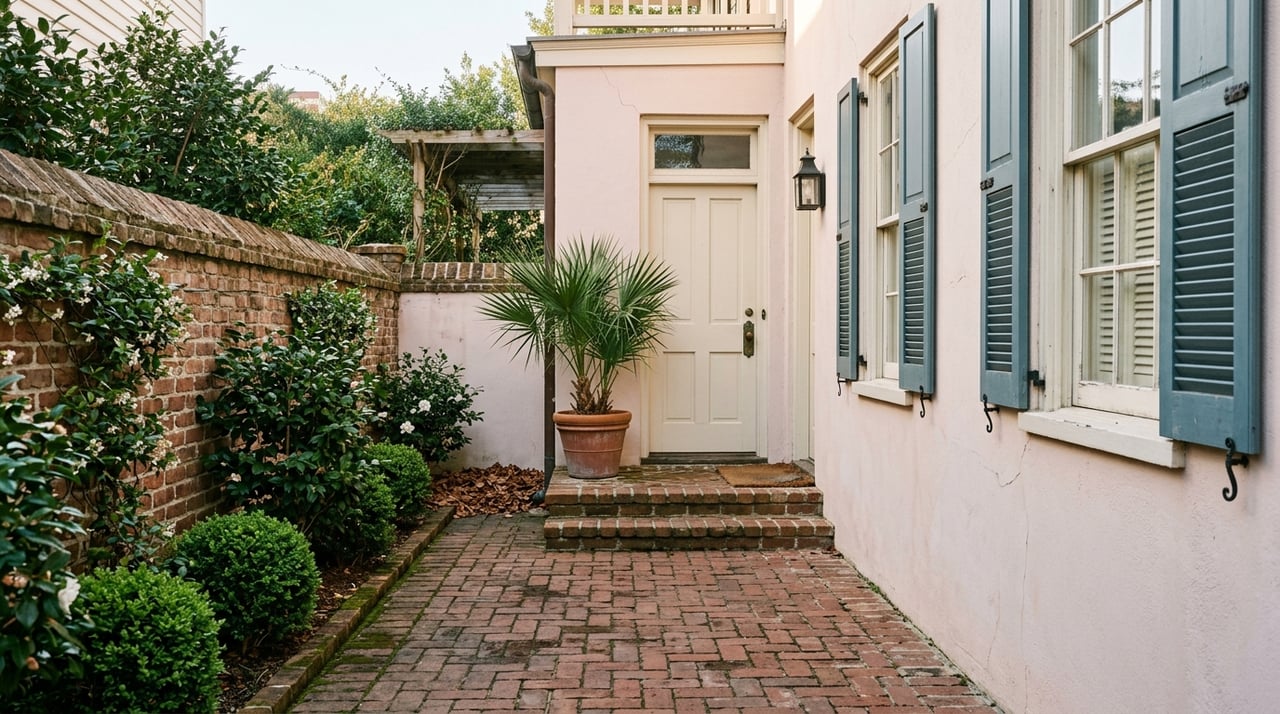
Ansonborough is one of Charleston’s oldest neighborhoods and is widely described as one of the city’s earliest suburbs. Its identity today comes from centuries of rebuilding and preservation, not from large-scale new development. That is a big part of why the neighborhood feels so distinct.
Its location also shapes the experience. Ansonborough sits close to the peninsula’s civic core, dining, shopping, and everyday downtown destinations, which makes it feel connected to Charleston’s daily rhythm in a way that more residential areas may not. If you want to step outside and feel immersed in downtown life, that is a major draw.
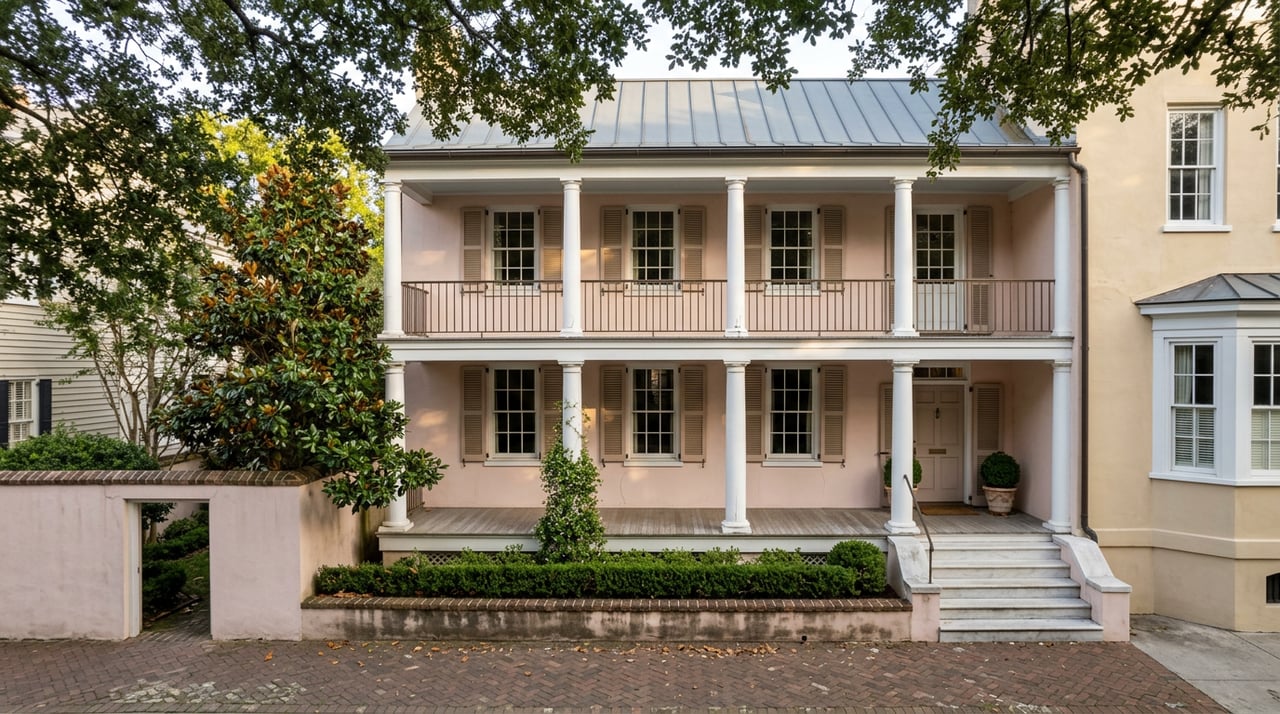
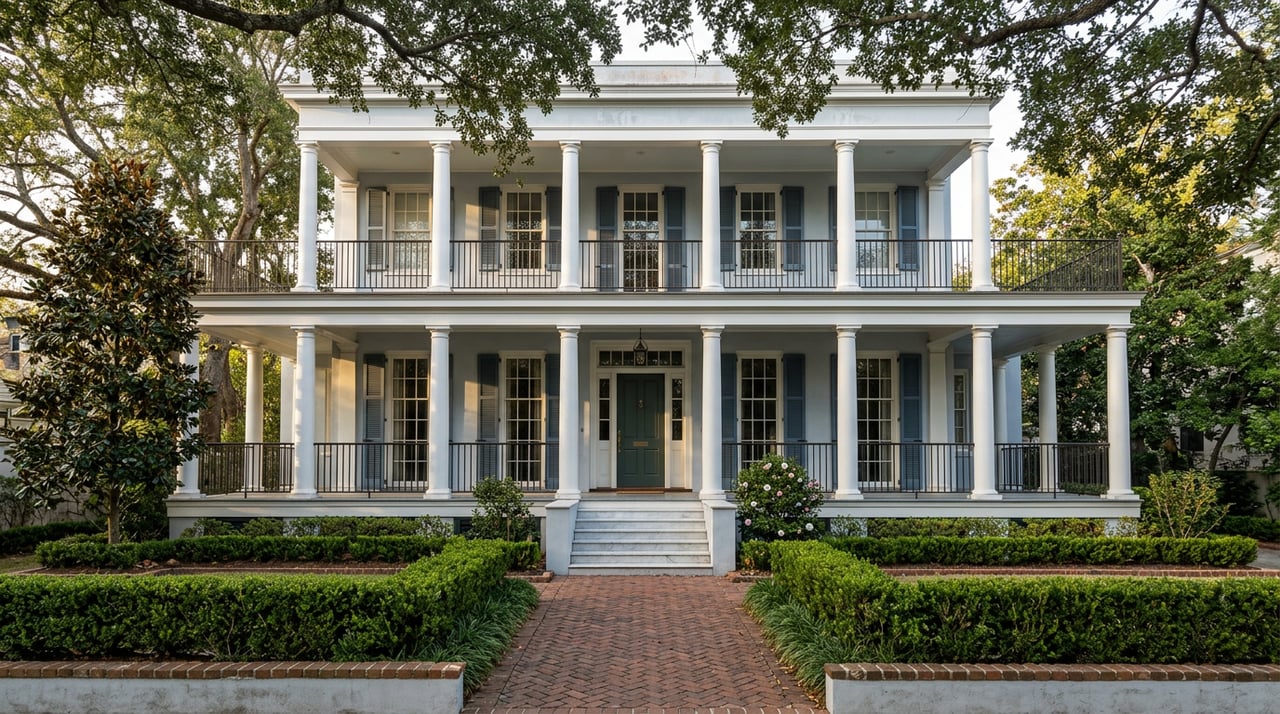
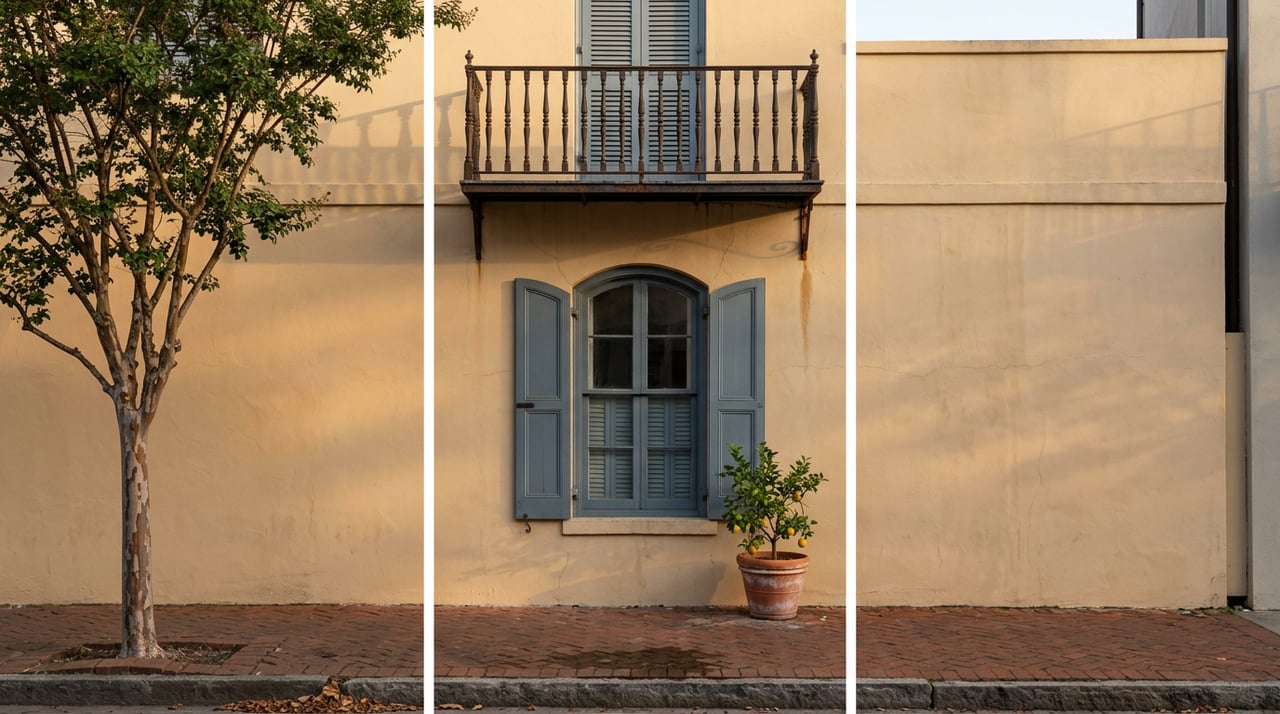
For many buyers, Ansonborough checks the emotional boxes first. The streetscape, older architecture, and sense of place can make it feel like the Charleston image you had in mind before you ever started searching. That matters, especially if you are relocating or buying your first downtown home.
It also works well for buyers who value convenience over extra space. The neighborhood tends to appeal to people who want to be near restaurants, shops, and core downtown destinations, and who are comfortable trading a larger lot or easier parking for that kind of access.
If you are asking whether Ansonborough is the right first downtown neighborhood, price is part of the answer. As of April 2026, Realtor.com shows 15 homes for sale in Ansonborough, 6 rentals, a median listing price of $2.65 million, a median price per square foot of $1,010, and 42 median days on market.
That tells you two things at once. First, Ansonborough is a compact neighborhood with limited inventory. Second, it remains firmly in the premium tier of the peninsula market, even though Realtor.com currently labels it a buyer’s market and notes that homes are selling for about asking price on average.
Ansonborough is not made up of one single property type. Current listings include detached historic homes, townhouses, newer infill residences, and smaller condo options. That mix gives buyers more flexibility than they might expect from a compact historic neighborhood.
At the same time, the overall entry point is still high. Recent examples range from a small 620-square-foot condo on East Bay listed at $375,000 contingent, up to multi-million-dollar homes and townhouses on Anson Street and new-construction residences on Meeting Street priced well above $3 million.
When you compare Ansonborough to nearby peninsula neighborhoods, its position becomes clearer. It is more expensive than Harleston Village, Cannonborough-Elliottborough, Downtown Charleston, French Quarter, and King Street Historic District, but still below South of Broad on median listing price.
Here is a quick snapshot of where it sits:
| Neighborhood | Median Listing Price | Median Days on Market |
|---|---|---|
| Ansonborough | $2.65M | 42 |
| Harleston Village | $1.40M | 47 |
| Cannonborough-Elliottborough | $1.7425M | 54 |
| Downtown Charleston | $1.75M | 46 |
| French Quarter | $1.79M | 95 |
| South of Broad | $2.9225M | 40 |
| King Street Historic District | $1.05M | 60 |
This places Ansonborough in a premium middle ground. You get a highly central, character-rich setting, but you are not paying the very top of the peninsula market. For some buyers, that balance is exactly the point.
If your goal is a true downtown lifestyle, Ansonborough has a strong case. While there is no public neighborhood-specific Walk Score cited here for Ansonborough itself, nearby downtown neighborhoods score very high, including Harleston Village at 89, Cannonborough-Elliottborough at 93, and Radcliffeborough at 95.
CARTA also supports downtown movement with regular routes and free DASH service across the peninsula, including the 210 CofC/Aquarium, 211 Meeting/King, 213 Lockwood/Calhoun, and the Downtown Connector 20 King Street/Meeting. In practical terms, you may be able to handle many errands and outings on foot or with transit support, even if you still keep a car.
This is one of the biggest realities for a first downtown buyer. On the peninsula, parking can shape your daily experience just as much as the house itself. A beautiful property with limited parking may feel very different from one that better fits your routine.
The City of Charleston says on-street meters operate Monday through Saturday from 9:00 a.m. to 6:00 p.m. Downtown residents in Peninsula Parking Districts may be eligible for a Residential Parking Decal, and city garages and lots are available for daily and visitor parking. That means you should evaluate parking early, not after you fall in love with a property.
Flood conditions are another part of owning downtown. The City of Charleston states that all properties in the city are in a flood zone, although not all are in the FEMA Special Flood Hazard Area. That makes address-level review essential.
You should not assume every block or property behaves the same way. The city encourages residents to monitor tides and road conditions because some low-lying peninsula roads can flood during high tides and storm events. If Ansonborough is on your list, flood zone details and insurance implications should be part of your first review, not your last.
One of Ansonborough’s biggest strengths can also be one of its biggest adjustments for a new downtown owner. The neighborhood’s historic fabric is a major reason buyers are drawn to it. But preserving that character often means more oversight for exterior changes.
In Charleston’s historic districts, the Board of Architectural Review oversees many visible exterior alterations, renovations, new construction, and some demolitions. If you are planning updates, additions, or any project visible from the public right-of-way, you may need more review and more time than you would in a non-historic neighborhood.
Ansonborough tends to work best for buyers who have already decided that peninsula living is worth a premium. If you prioritize history, walkability, architecture, and close access to downtown amenities, the neighborhood can make a lot of sense.
It can be especially appealing if you are a relocating professional, a downsizer looking for convenience and character, or a second-home buyer who wants a central Charleston base. The common thread is simple: you are choosing lifestyle and location first.
Ansonborough may not be the best first downtown neighborhood if your priorities lean more practical than romantic. If you want a larger yard, easier parking, or a lower entry price, other peninsula neighborhoods may offer a smoother start.
Based on current pricing, buyers looking for more selection at a lower price point may find Harleston Village or Cannonborough-Elliottborough easier to enter. If your budget is flexible and you are comparing the top end of the peninsula, South of Broad is the clearest step up-market reference point.
For the right buyer, yes. Ansonborough is a compelling first downtown neighborhood if you want a premium, walkable, historic Charleston experience and you understand the tradeoffs that come with it.
The neighborhood is less about maximizing space or convenience and more about choosing a certain way of living. If character, central location, and daily connection to downtown Charleston are at the top of your list, Ansonborough is a very strong contender. If parking ease, lower cost, or a simpler ownership path matter more, your best first downtown neighborhood may be somewhere else on the peninsula.
Choosing between Charleston micro-neighborhoods often comes down to details that are easy to miss online. If you want help comparing Ansonborough with nearby options or evaluating a specific property, Anna Gruenloh can help you make a smart, informed move.
Stay up to date on the latest real estate trends.
Anna prides herself in knowing not only the properties that are available on the market but also the people that live and work in Charleston. Anna has a knack for quickly understanding her clients’ bottom-line needs and guiding them toward the home or investment property that will best suit them.