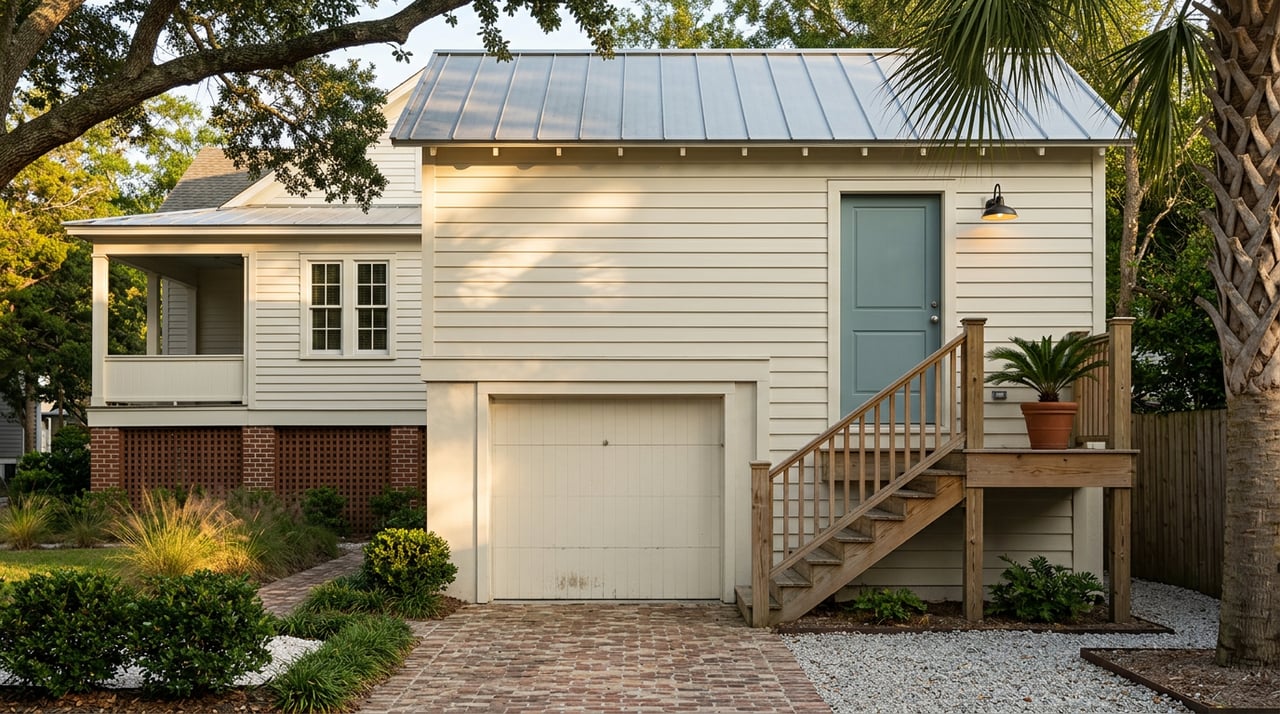
Wagener Terrace House Hacking: Live Smart, Invest Smart
What if your Charleston home could help pay for itself while you build long-term equity in one of the peninsula’s most loved neighborhoods? If you’re drawn to Wagener Terrace for its tree-lined streets and Hampton Park energy, house hacking can be a smart way to live where you love and invest at the same time. In this guide, you’ll learn the most workable setups in Wagener Terrace, key permit and renovation steps, how financing really works, and a simple example to run the numbers. Let’s dive in.
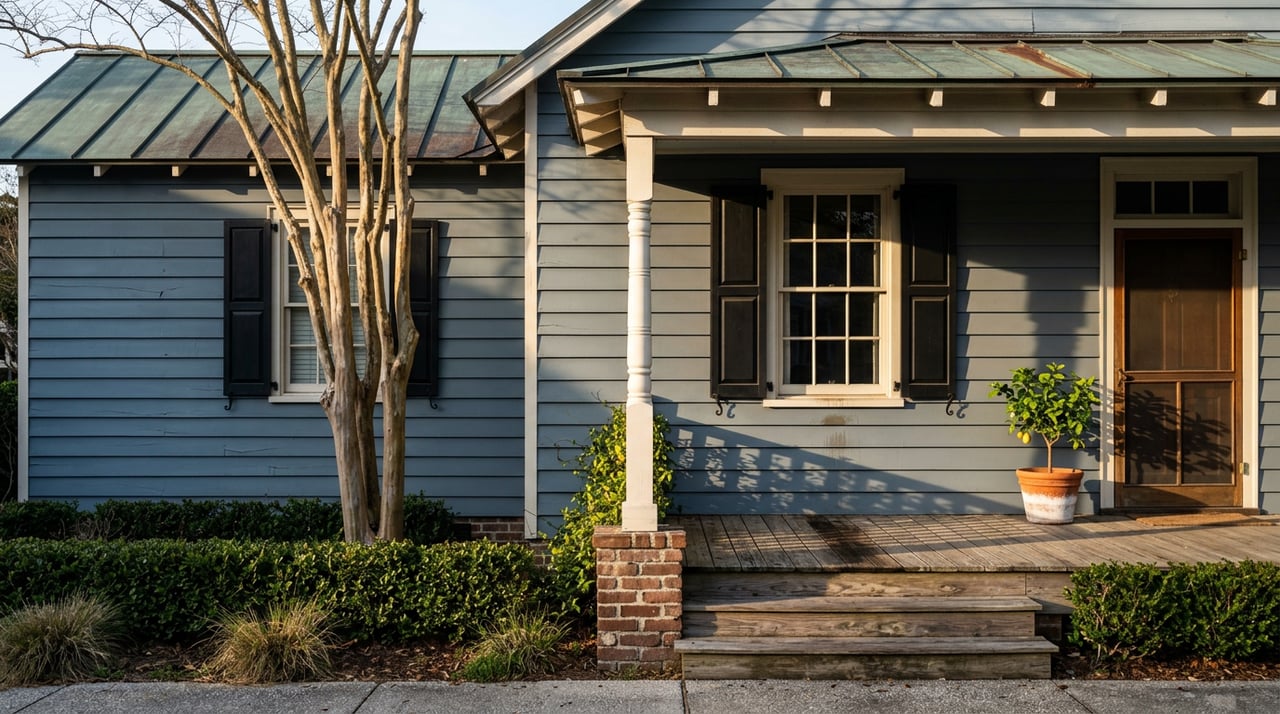
Wagener Terrace sits on Charleston’s Upper Peninsula, roughly bordered by Hampton Park and The Citadel to the south, Mt. Pleasant Street to the north, Rutledge Avenue to the east, and the Ashley River to the west. It reads as a quiet, residential pocket with early to mid-20th-century bungalows, Colonial Revival and Craftsman homes, plus some newer riverfront construction. For a neighborhood overview, the Wagener Terrace Neighborhood Association is a helpful place to start.
Price-wise, Wagener Terrace is on the higher end of the peninsula. Recent aggregated indices in 2025–2026 placed typical values around the low 900s, and some local reports pegged median sold prices near the high 900s. Translation: purchase and renovation choices carry weight here, so it pays to underwrite carefully.
Strong, steady demand for 1–3 bedroom long-term rentals near parks, restaurants, and employment centers supports the house-hack model. You can live in one unit and rent the other for consistent income, while your tenants help offset monthly costs.
Before you shop, know the local rules. Parts of the Upper Peninsula fall under Charleston’s Board of Architectural Review, which oversees visible exterior changes and demolitions. That review can add time and cost, so plan for it. Start with the City’s BAR overview and confirm parcel-by-parcel whether a property is within BAR purview.
A two-unit home where you live in one and rent the other is the most straightforward house hack. Lenders often give more favorable terms to owner-occupied two-units, and you can usually use projected rental income to qualify. Look for clear features: two legal kitchens, separate entrances, and a rental history or strong market rent comps. Conventional and FHA programs have specific rules for counting rental income, which we cover below.
In Wagener Terrace, you’ll see single-family houses that were later subdivided or remodeled into an upper-lower or front-back split. A compliant conversion typically requires a second kitchen or kitchenette, an independent exterior entry, life-safety upgrades like fire separation and egress, and sometimes separate metering. Feasibility depends on zoning, fire code, and whether BAR review applies if you change exterior elements. Plan your scope and permitting route up front.
Accessory dwelling units are increasingly discussed in Charleston zoning. Feasibility is parcel-specific and tied to setbacks, lot coverage, parking, and utility plans. City ADU policies have been under active review, so always confirm current rules, overlays, and zoning text before you draw plans. For a sense of local timelines, specialty builders often cite 6–12 months in peninsula projects, especially when site work and utilities are involved. See a local builder’s overview for context on ADU projects and timing at charlestonaduco.com.
If you are evaluating an ADU idea, note that policy updates may change what is possible by zone. A citywide code assessment has been in play, so check the latest language and talk to Planning. You can review the draft assessment for background on code modernization in Charleston here.
Short-term rental rules on the peninsula are restrictive. Many whole-house STRs are not allowed outside certain zones, and owner-occupied STRs have licensing, occupancy, and zoning constraints. If you are counting on Airbnb income to make a deal work, verify legality first. For a summary of state and local frameworks, review this overview of South Carolina short-term rental laws and then confirm details directly with the City of Charleston.
In Wagener Terrace, modest conversions with limited exterior changes often take 3 to 9 months from permits through construction. Larger ADUs or substantial exterior alterations run longer. Build a contingency of 10 to 25 percent in both budget and time, and pad for BAR hearing calendars and flood-related design.
FHA financing allows you to buy a 1–4 unit property as your primary residence, often with as little as 3.5 percent down for eligible borrowers. Crucially, FHA lets you use rental income from the other units to help you qualify. When you do not have rental history on tax returns, lenders commonly use 75 percent of the appraiser’s market rent estimate for each unit. For 3 and 4 unit purchases, FHA applies a self-sufficiency test, which requires the property’s net rental income to cover the full PITI in the FHA calculation. You can review the authoritative rules in HUD’s Single Family Housing Policy Handbook here.
Conventional underwriting has become more flexible for owner-occupied 2–4 unit homes. In November 2023, Fannie Mae updated its Desktop Underwriter to allow up to 95 percent loan-to-value on certain owner-occupied 2–4 unit purchases that meet DU findings. This effectively opened a 5 percent down path for many buyers who prefer conventional over FHA. See Fannie Mae’s Selling Guide overview here and a summary of the November 29, 2023 changes here. Lender overlays vary, so run both scenarios with your loan officer.
You can find FHA’s occupancy, rental income, and property condition rules directly in HUD’s handbook here.
Here is a simple, illustrative scenario to show how rental income can support a house hack. Use your lender’s exact numbers.
This is example math only. Your numbers will change based on rate, down payment, flood insurance, taxes, and the appraiser’s rent schedule.
The property: A 1940s Wagener Terrace bungalow outside BAR purview for major exterior changes, not in a VE zone, with a side entry leading to the rear of the house.
The plan: Create a compliant rear studio with a kitchenette and independent entry while you live in the front 2-bedroom. Scope includes a compact kitchen install, new subpanel, fire separation between spaces, egress upgrades, and minor exterior work at the new entry.
Due diligence: Confirm zoning allows a second legal unit or an accessory apartment on this parcel. Pull the Elevation Certificate to price flood insurance and confirm freeboard rules do not trigger major foundation changes. If exterior elements change, ask Planning whether BAR review applies for visible work.
Budget and timing: Kitchen adds 10,000 to 25,000 dollars depending on finishes, based on regional cost ranges in this Charleston kitchen guide. Life-safety and electrical upgrades add 8,000 to 15,000 dollars. Contingency at 15 percent. Expected permit plus build time is 4 to 7 months, with a buffer for inspections.
Income and financing: If the appraiser supports 1,900 to 2,100 dollars per month for the studio, your lender may count a portion of that to help you qualify under FHA or conventional rules. You compare 3.5 percent down FHA with a 5 percent down conventional option. FHA’s self-sufficiency test does not apply since this is a two-unit configuration. You proceed with the lower total monthly cost scenario after pricing mortgage insurance, flood insurance, and reserves.
Result: You live in a walkable peninsula neighborhood and reduce your monthly outlay while building equity in a higher-barrier market. The tradeoff is added complexity in permitting and construction. With careful planning, the numbers can work.
House hacking in Wagener Terrace can lower your monthly cost and accelerate equity growth, but it rewards careful planning. Between BAR review, flood rules, and lender underwriting, the path is clear when you know the steps. If you want a partner who can help you source the right property, coordinate due diligence, and run realistic rent and renovation scenarios, let’s talk. Anna Gruenloh brings two decades of Charleston experience, historic-home fluency, and investor-friendly guidance to help you buy well on the peninsula.
Stay up to date on the latest real estate trends.


Anna prides herself in knowing not only the properties that are available on the market but also the people that live and work in Charleston. Anna has a knack for quickly understanding her clients’ bottom-line needs and guiding them toward the home or investment property that will best suit them.