Comparing French Quarter Condos and Townhomes in Charleston
Are you torn between a lock-and-leave condo and a private-entry townhome in Charleston’s French Quarter? You are not alone. With historic charm, walkable streets, and limited inventory, the right fit comes down to how you want to live day to day. In this guide, you’ll learn how ownership, fees, maintenance, privacy, parking, and local rules align with each option so you can choose with confidence. Let’s dive in.
The French Quarter sits between Broad Street and Market Street, and between Meeting Street and East Bay along the Cooper River. It is a compact, National Register–listed district known for galleries, restaurants, narrow streets, and intimate courtyards. You can explore the neighborhood’s origins and boundaries through the Charleston County Public Library’s overview of how the area was defined in the 1970s. The CCPL history piece is a helpful primer.
Because the neighborhood is small, price stats swing with each sale. Recent snapshots showed a wide spread: one data service pegged the median sale price around $2.7M in January 2026, another at $1.79M in December 2025, and a third reported an average value near $1.30M through year-end 2025. This volatility reflects the mix of petite historic condos, renovated rowhomes, and a few ultra-premium waterfront units. Treat these as snapshots rather than absolutes.
In South Carolina, condominiums are created under the South Carolina Horizontal Property Act. The statute outlines how unit boundaries are defined, what common elements are, and how expenses are shared through the association’s governing documents. You can read the statute directly in the South Carolina Horizontal Property Act. In Charleston, you will often hear monthly association dues called “regime fees.” Coverage varies by building, so always confirm what the fee includes.
“Townhome” describes a physical style, not just ownership. Some townhomes are fee simple, which means you own the structure and the land beneath it. Others sit within a condominium or planned community where exterior elements are shared. In fee-simple setups, owners usually handle and insure their own exterior and roof, while in a condo-regime townhome, the association may manage more of that work. For a quick primer on the structural and ownership differences, see this overview of condos and townhouses.
Lenders often apply project-level reviews to condominiums. FHA and many conventional loans may require that the building is approved or that a single-unit approval is obtained, which can affect timing. If financing is part of your plan, verify early whether a building is on the approved list or if a spot approval is feasible. You can learn more in the HUD condominium guidance.
In the French Quarter, regime or HOA fees commonly range from about $400 to $1,200 per month in many buildings, with luxury or waterfront properties higher. Local listings show the full spectrum, including boutique condos around the mid-hundreds per month, others close to $900 to $1,000 per month that include building insurance and exterior upkeep, and some fee-simple townhomes marketed with little to no monthly fee. The takeaway is simple: two homes a block apart can have very different monthly obligations.
Condos typically centralize exterior and structural maintenance under the association. You pay through monthly dues and, if reserves are short, special assessments for big projects like roofs, exterior repairs, or elevator work. Townhomes that are fee simple usually shift that responsibility to you, which can reduce monthly dues but raises the importance of your own repair budgeting. Decide whether you prefer predictable monthly fees or more control with individual upkeep.
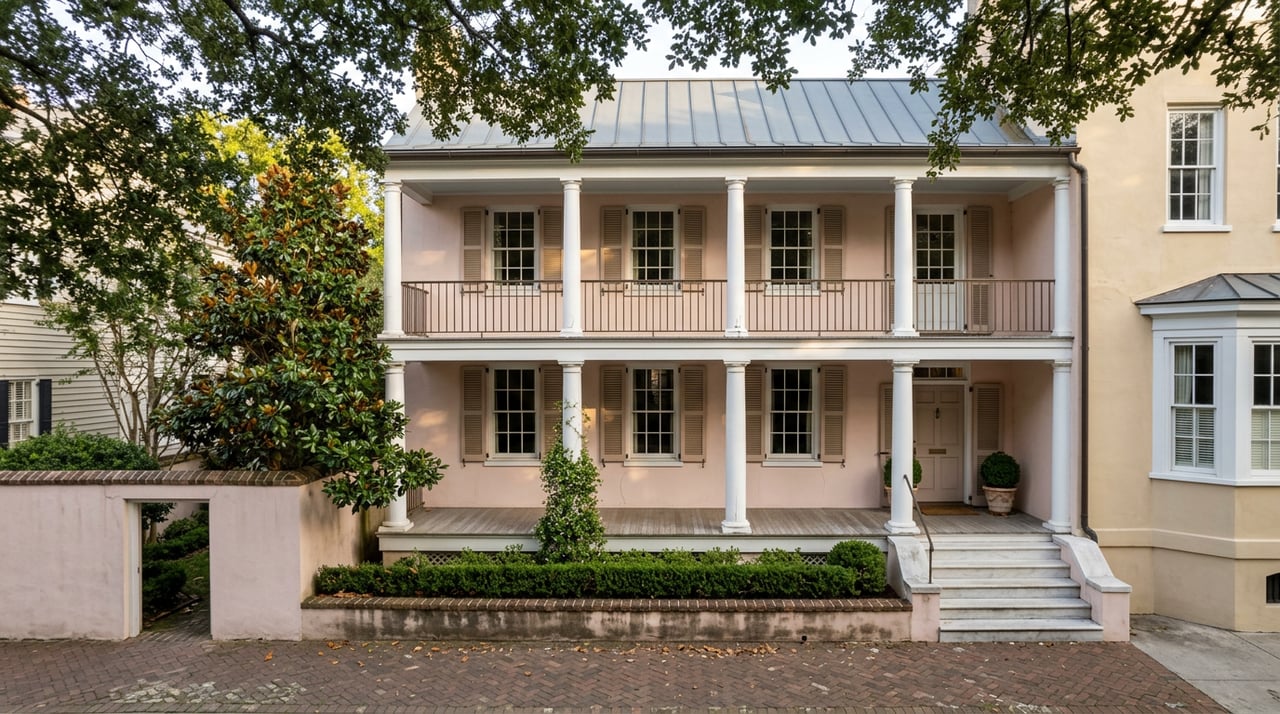
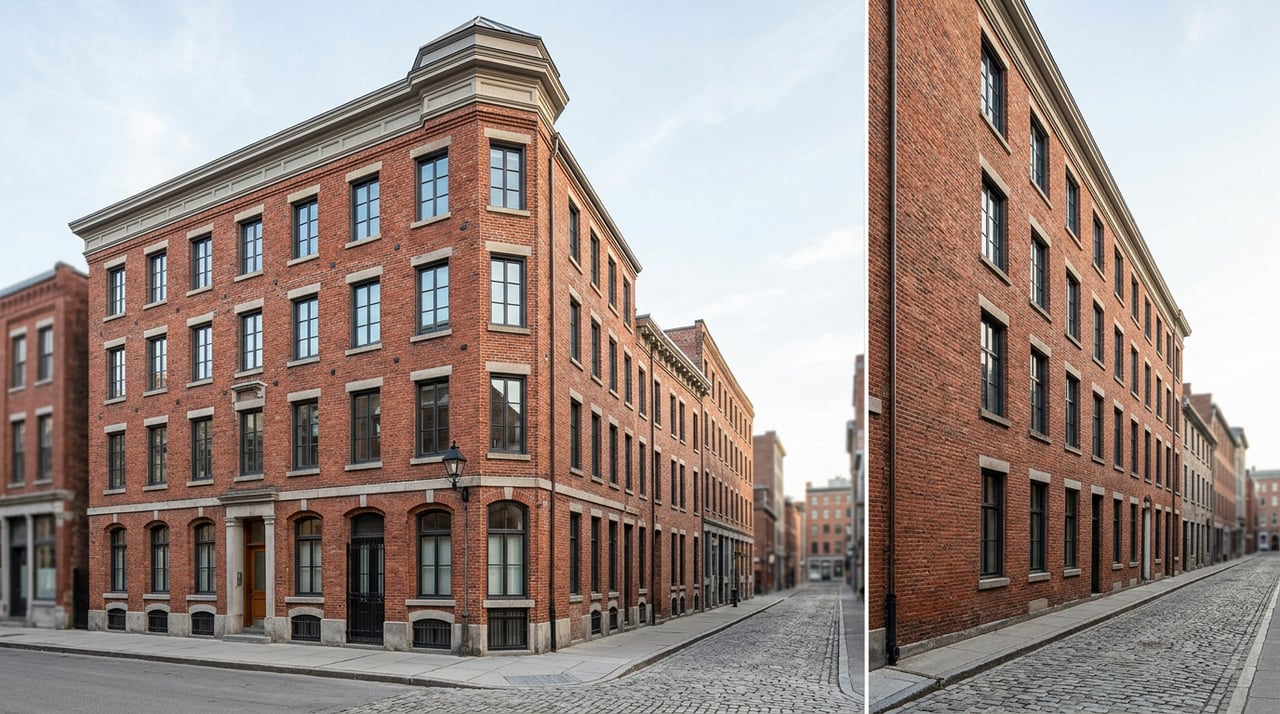
Condos in the French Quarter range from historic conversions to boutique elevator buildings. Expect shared entries and neighbors above or below. Townhomes or rowhomes often have a private front door and fewer vertical neighbors, which can feel more independent.
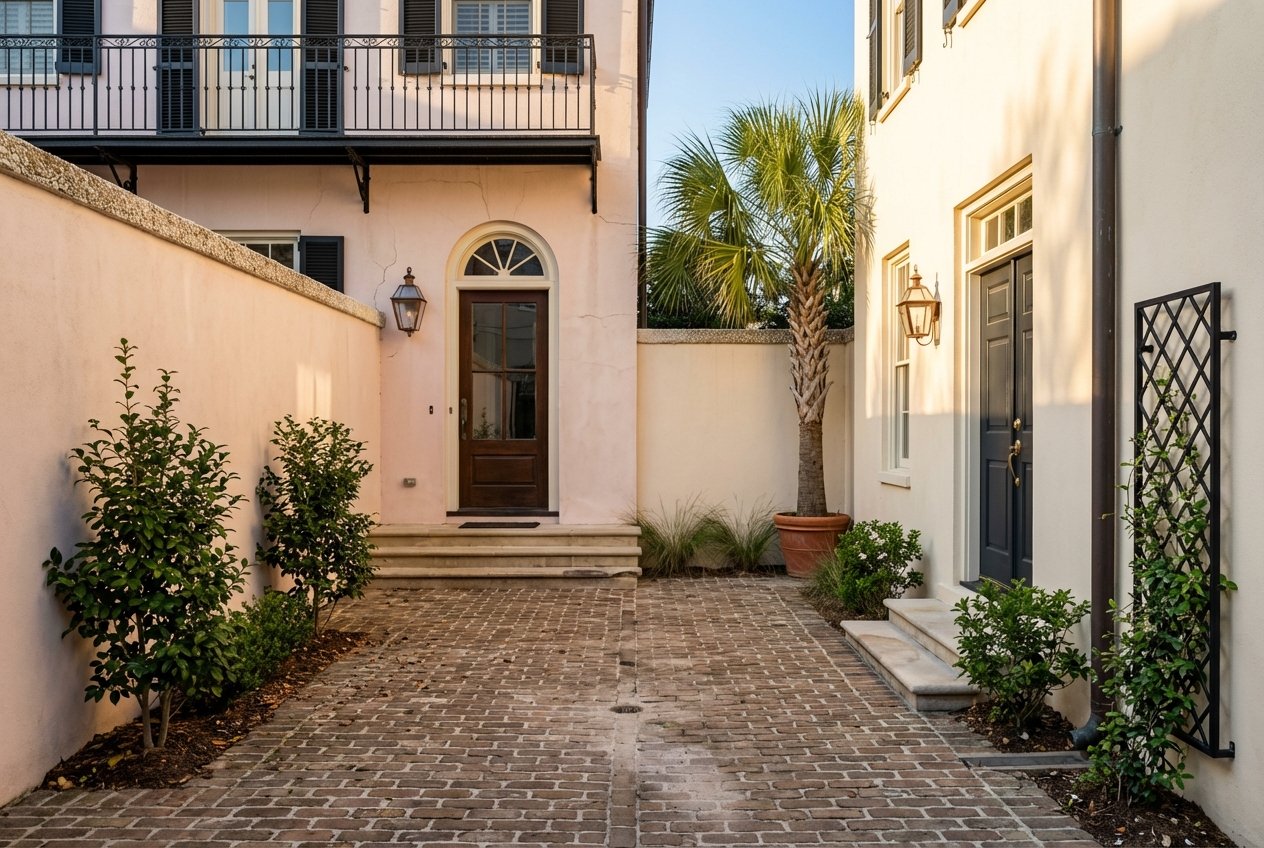
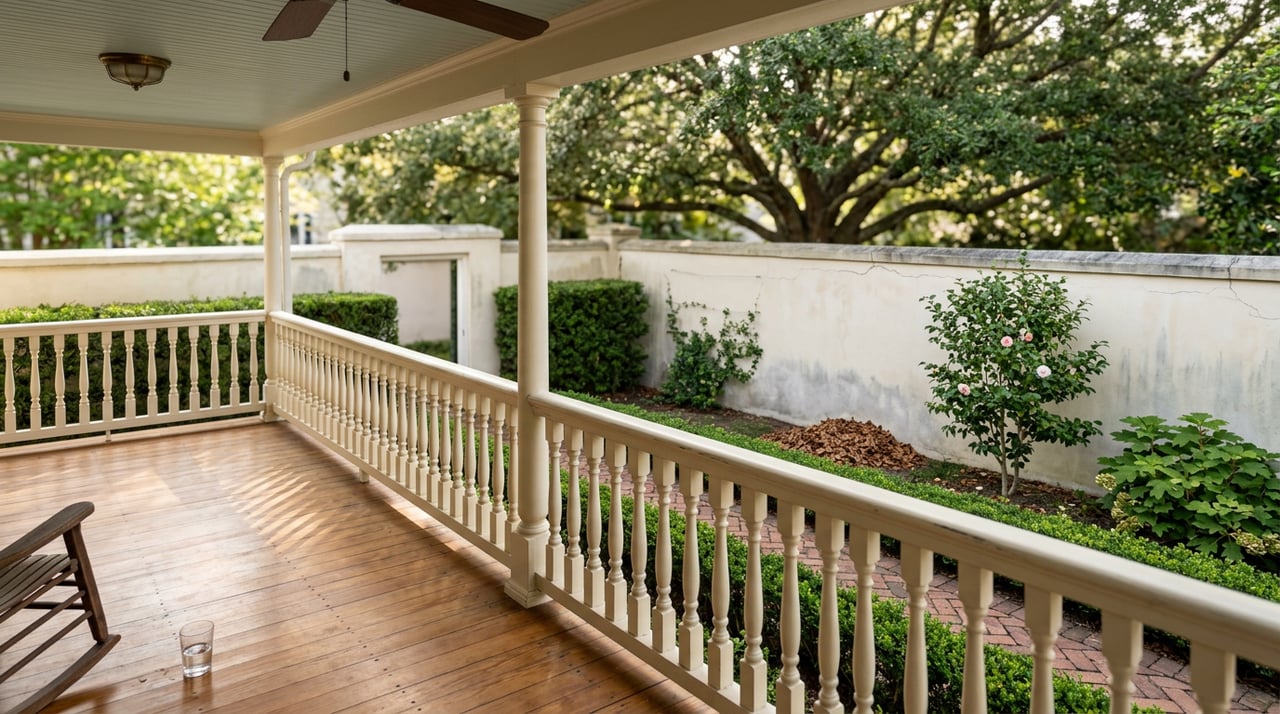
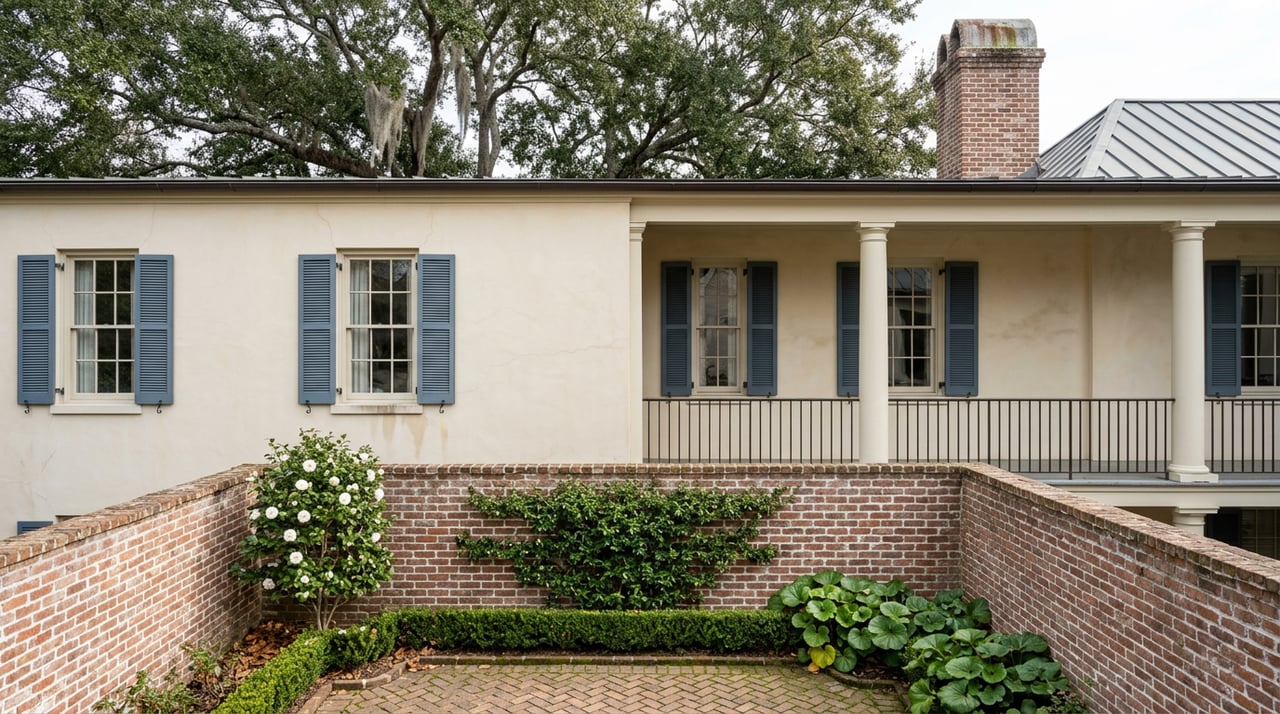
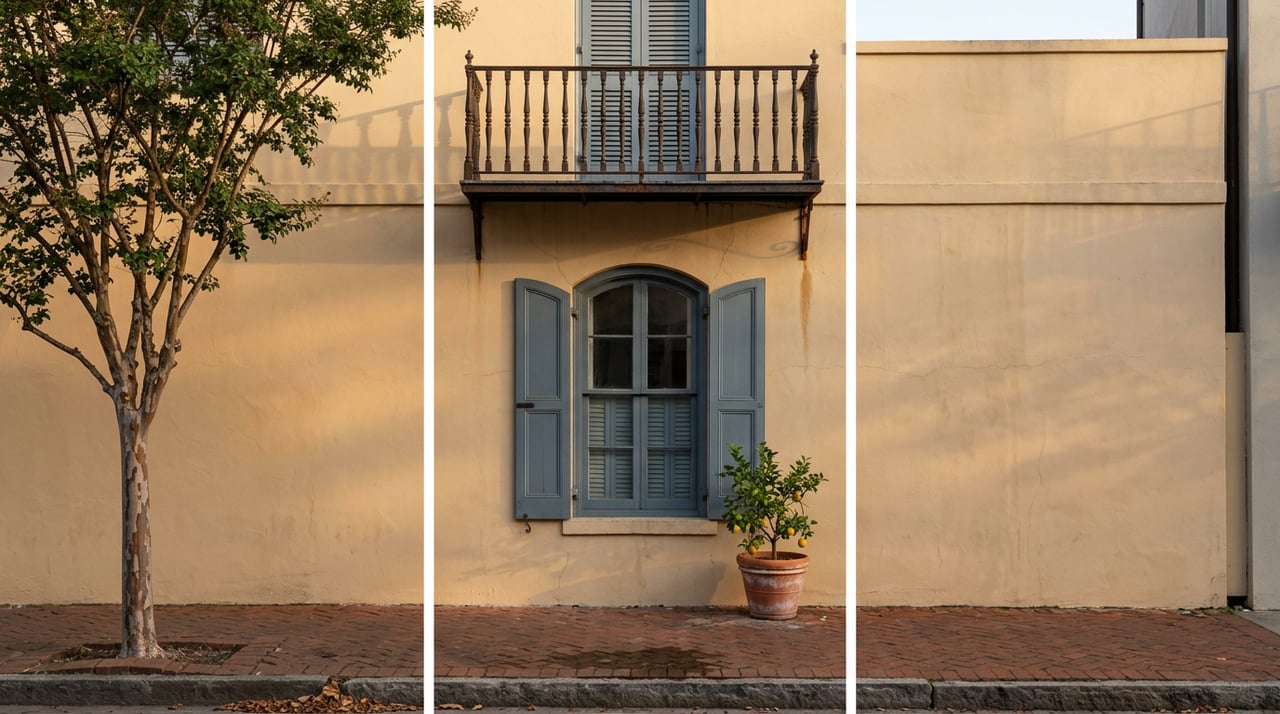
Space is at a premium downtown. Instead of large yards, many properties feature small walled courtyards, side porches, or rooftop terraces. Both condos and townhomes can offer these coveted outdoor spots. Water-facing buildings may have premium terraces with harbor views, while historic rowhomes often hide charming brick courtyards behind garden walls.
Street parking is limited, so deeded or assigned garage parking is a premium feature in many buildings. Walkability is a major draw, which is why some buyers accept smaller private outdoor spaces in exchange for a car-light lifestyle. If rentals are part of your plan, note that the City’s short-term rental categories include parking requirements in parts of the Old and Historic District. You can review the City’s category criteria and parking rules for specifics.
The French Quarter sits within Charleston’s Old and Historic District. Exterior work that is visible from the street often requires review by the City’s Board of Architectural Review and a Certificate of Appropriateness. This can add time and shape material choices for windows, roofs, and additions, so factor these steps into your project timeline. Learn what typically triggers review on the City’s BAR information page.
Charleston’s peninsula is low-lying, and flood zones can change block by block. Lenders will require flood insurance if a property is in a Special Flood Hazard Area. In a condominium, the master policy may include flood and hazard coverage for the building, while owners carry an HO‑6 policy for interiors. In fee-simple townhomes, you will secure a full homeowner policy plus any needed flood insurance. Check FEMA maps and the City’s tools for parcel-specific insight using the floodplain mapping resources. Request recent insurance declarations and premium quotes during due diligence to avoid surprises.
Choose a condo if you want:
Choose a townhome if you want:
Use this short list to compare two specific homes on the same block.
If you are weighing a French Quarter townhome against a condo, local details will decide the winner. From reading regime documents and insurance coverages to mapping BAR timelines and flood exposure, a clear, side-by-side view saves time and money. For calm, expert guidance and property tours tailored to your goals, connect with Anna Gruenloh.
Stay up to date on the latest real estate trends.

Anna prides herself in knowing not only the properties that are available on the market but also the people that live and work in Charleston. Anna has a knack for quickly understanding her clients’ bottom-line needs and guiding them toward the home or investment property that will best suit them.