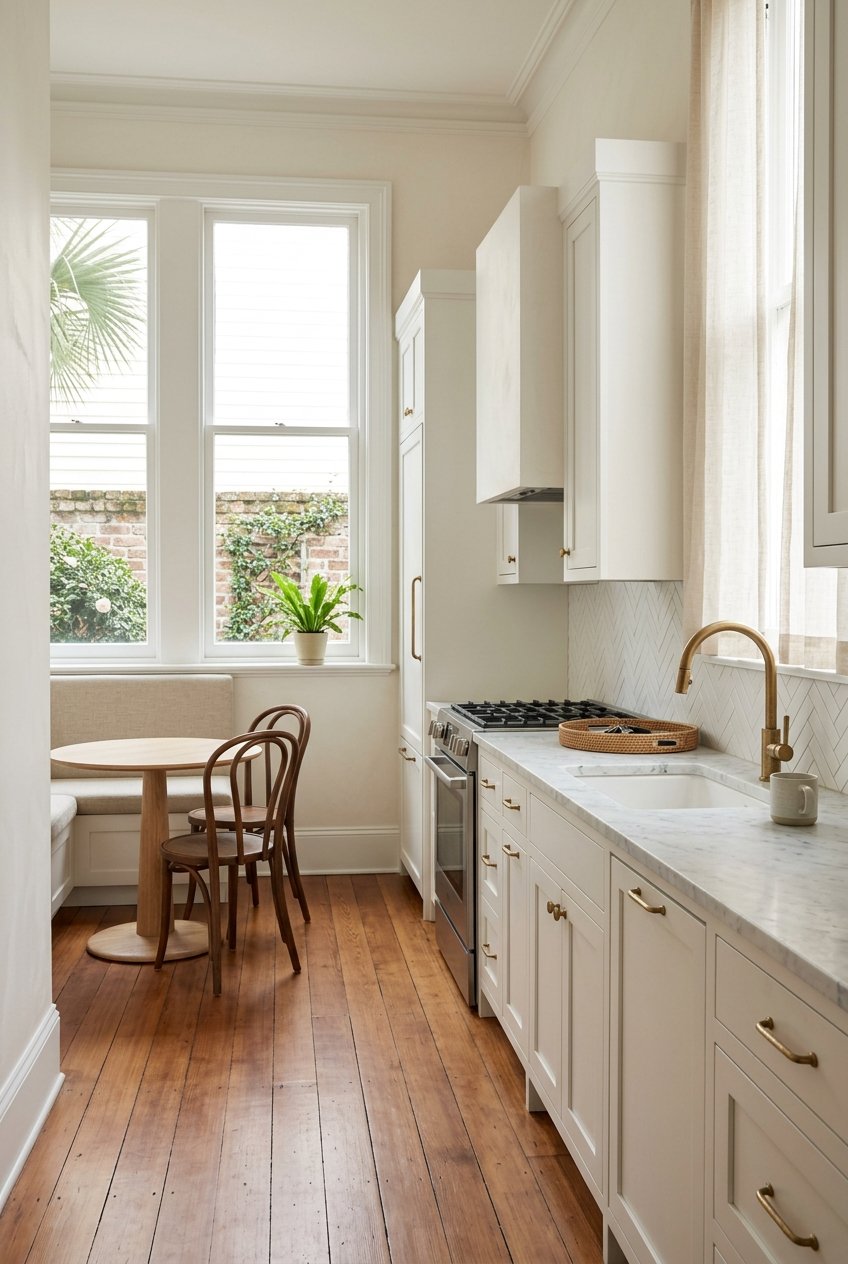
Owning A Lock-And-Leave Pied-À-Terre Near King Street
If you want a Charleston base that feels easy to enjoy without turning into a full-time project, a lock-and-leave pied-à-terre near King Street can make a lot of sense. You get walkability, access to one of downtown’s most active corridors, and ownership options that often reduce exterior maintenance. The key is knowing that convenience here comes from the right property type, the right rules, and the right address. Let’s dive in.
King Street is not just well known. It is one of downtown Charleston’s main mixed-use corridors, with shopping, dining, and art venues that serve both visitors and nearby residents. The city’s 2024 King Street profile reports more than 7 million visitors each year and a 92% overall occupancy rate from Line Street to Broad Street.
For you as a buyer, that activity translates into something practical. A pied-à-terre near King Street puts daily needs, restaurants, and cultural stops within reach, which can reduce your dependence on a car and make shorter stays feel simple. It also means you should think carefully about building access, noise, parking, and the exact block before you buy.
Planning literature describes King Street as a spine through the peninsula, often understood as Upper, Middle, and Lower King. That matters because the experience can shift from block to block. One address may feel more residential in rhythm, while another sits in the middle of heavier commercial activity.
A true lock-and-leave property is usually low maintenance, not no maintenance. Near King Street, that often means an ownership structure where exterior upkeep and common-area care are shared rather than handled by you alone. It can be a smart fit for a second-home buyer, a part-time Charleston resident, or someone who wants a downtown base without the workload of a larger historic house.
That said, low maintenance comes with tradeoffs. Shared ownership usually means assessments, bylaws, reserve planning, and property-use rules. In downtown Charleston, it can also mean historic review if future exterior changes are involved.
The best pied-à-terre purchases are usually the ones where the lifestyle goal matches the property format from day one. If you want simplicity, look for a home that already fits how you plan to use it instead of one that will need major changes after closing.
For many buyers, a condo is the clearest lock-and-leave option near King Street. Under South Carolina condominium law, a unit can be separately owned while common elements are shared. In everyday terms, that often means the association handles much of the exterior and common-area maintenance.
That convenience is a major benefit, but you should read the regime documents carefully. The master deed and bylaws can control maintenance responsibilities, common expenses, and lease restrictions. A condo can simplify ownership, but the rules are part of the package.
Upper-story flats above or near commercial spaces are another common downtown fit. They often align well with the mixed-use character of King Street and can offer exactly what many pied-à-terre buyers want: a smaller footprint, strong walkability, and less exterior responsibility.
These homes can be especially appealing if you want character and location in one purchase. Still, if the building is within a historic district, exterior changes are more likely to trigger city review. That makes already-renovated units especially attractive for buyers who want a simple ownership experience.
A small attached townhome can offer more independence than a condo while still keeping the scale manageable. For some buyers, that extra autonomy is appealing, especially if they want fewer shared decisions and a more house-like feel.
Even so, attached townhomes downtown are not automatically free of oversight. A property may still sit within a historic district or a regime with its own rules. Before you assume it offers more flexibility, confirm both the ownership structure and any local review requirements.
South Carolina’s Horizontal Property Act requires co-owners to contribute pro rata to administration, maintenance, and repair of general and limited common elements. It also allows master deeds to include lease restrictions, including amount and term. That is one of the most important practical details for any buyer considering a downtown lock-and-leave home.
In other words, the building may be doing some of the work for you, but you are still buying into a shared system. Your monthly costs, reserve funding, maintenance standards, and rental flexibility may all be shaped by the regime documents. This is where careful due diligence protects both your lifestyle and your budget.
Charleston regime bylaws must also address care, upkeep, surveillance, and collection of common expenses. If your goal is ease, pay attention to how well the building is run. A polished lobby or attractive exterior does not tell you everything about day-to-day ownership.
Charleston’s historic districts come with a review process that buyers should understand upfront. The Board of Architectural Review, or BAR, reviews new construction, alterations, and renovations visible from the public right-of-way, along with many demolitions. Smaller items such as painting, sitework, signage, and minor repairs are often handled through staff review.
For a pied-à-terre buyer, this matters because simplicity often depends on minimizing future exterior work. If you want a home base that is easy to maintain from near or far, an already-updated property may be the smoother path. The less you need to change later, the easier the ownership experience is likely to be.
This does not mean historic properties are off the table. It means you should buy with a clear plan. If charm and architecture are part of the appeal, it helps to know where review may affect timing, cost, and project scope.
Many buyers assume they can use a downtown pied-à-terre part time and rent it when they are away. In Charleston, that question is highly address-specific. Short-term rental eligibility depends on the exact property, zoning, and city category requirements.
Charleston’s short-term rental system is permit-based and annual. The city states that all short-term rental permits must be renewed annually by the original date of issuance.
For residential short-term rentals, the city uses a three-part framework that starts with the property being the owner’s primary residence and assessed at the 4% rate, then applies location-based categories. On the peninsula, Category 1 covers the Old and Historic District and requires the unit to be individually listed on the National Register of Historic Places. Category 2 applies to the peninsula outside the short-term rental overlay and Old and Historic District and requires a building that is at least 50 years old.
There is also a commercial short-term rental category, but it is only allowed in certain commercial zoning districts within the short-term rental overlay zone. Unlike residential categories, it does not require the owner to be a primary resident or a 4% assessed property, but it does carry added limits related to parking, signage, common areas, and unit count.
The takeaway is simple: rental potential near King Street should never be assumed from a listing description or building style alone. You need to verify the city category, the zoning, and the building’s own rules before counting on any rental use.
If your plan is longer-term leasing rather than short stays, there are still local rules to check. Charleston’s Residential Rental Registration Pilot Program currently requires registration for long-term rental units in Cannonborough-Elliottborough, Mazyck-Wraggborough, and Radcliffeborough.
This matters because some blocks near King Street fall into or near those neighborhoods. The city also requires out-of-state owners to have a responsible local representative within 30 miles, and owners with five or more long-term rental units in the city need a business license. If leasing is part of your strategy, exact location matters just as much as unit style.
Before you buy a pied-à-terre near King Street, focus on the details that most directly affect ease of ownership:
The best lock-and-leave purchase near King Street is rarely about square footage alone. It is about how cleanly the property supports the way you want to live in Charleston. Some buyers value a professionally managed condo with predictable exterior upkeep. Others prefer a small attached home that offers more privacy and independence.
What matters most is alignment. If you want a turnkey city base, a renovated unit with clear rules may serve you better than a charming property with unresolved maintenance questions. If rental flexibility matters, the address and use rules should lead your search, not come in at the end.
This is where local guidance becomes especially useful. On the peninsula, small differences in block, zoning context, historic review, and regime structure can change the ownership experience in a meaningful way.
If you are considering a lock-and-leave pied-à-terre near King Street, working with an advisor who understands Charleston’s downtown housing stock can help you narrow the field quickly and avoid costly assumptions. When your goal is ease, the right diligence upfront is what makes the lifestyle work.
If you are exploring a second home or downtown investment on the peninsula, Anna Gruenloh can help you evaluate the details that matter most and find a property that truly fits your plans.
Stay up to date on the latest real estate trends.


Anna prides herself in knowing not only the properties that are available on the market but also the people that live and work in Charleston. Anna has a knack for quickly understanding her clients’ bottom-line needs and guiding them toward the home or investment property that will best suit them.