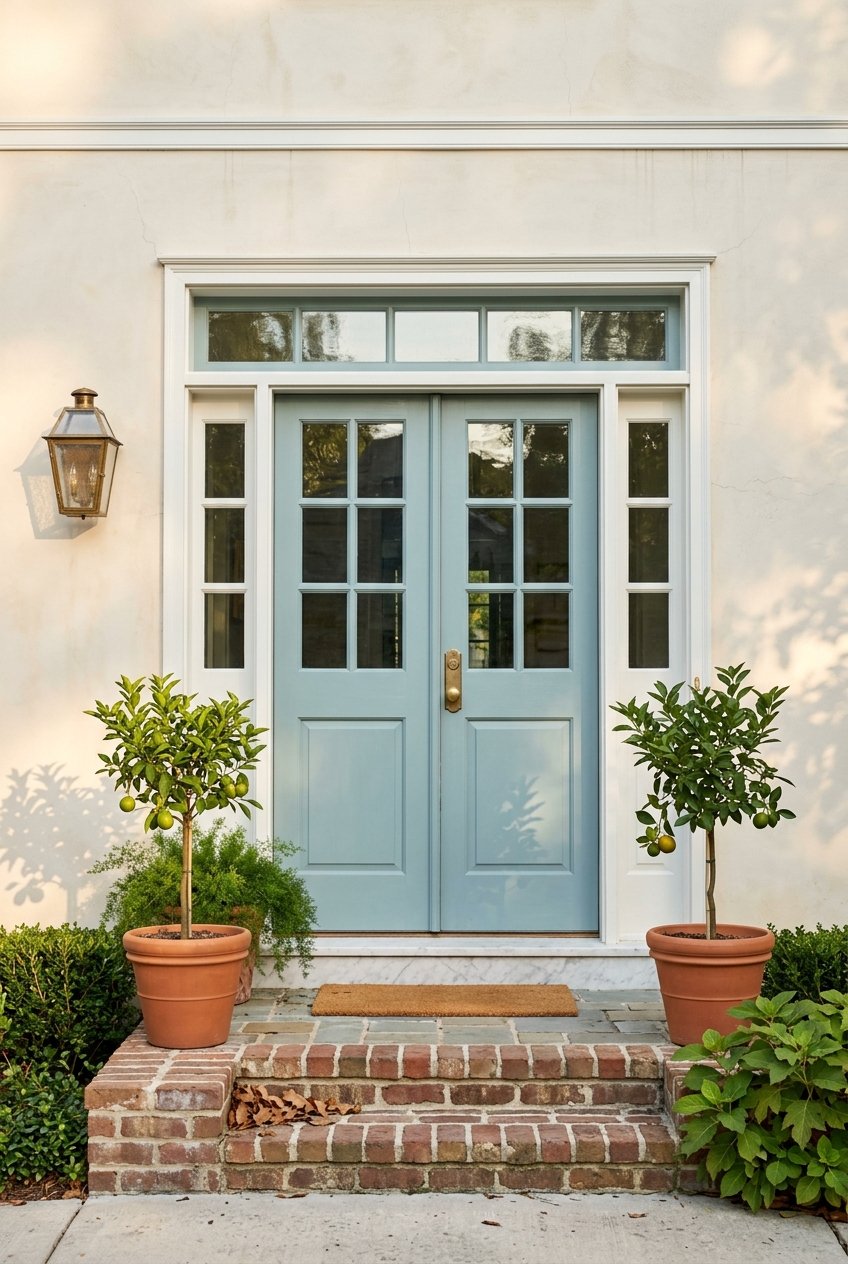
Positioning Your Cannonborough-Elliotborough Home To Stand Out
If you are getting ready to sell in Cannonborough-Elliotborough, you are not just listing square footage. You are presenting a home in one of downtown Charleston’s most layered and recognizable neighborhoods. Buyers notice character quickly here, but they also compare condition, presentation, and convenience just as fast. The right strategy helps your home feel authentic, polished, and easy to imagine living in. Let’s dive in.
Cannonborough-Elliotborough has a distinct identity because it grew from two separate neighborhoods into one connected community. The area is known for its historic fabric, vernacular architecture, and residential feel, even while it sits close to the medical district and Upper King Street.
That mix creates a clear opportunity when you sell. Your home can stand out when it is presented as historic Charleston character with everyday livability. Buyers are often drawn to both the sense of place and the practicality of being close to downtown destinations.
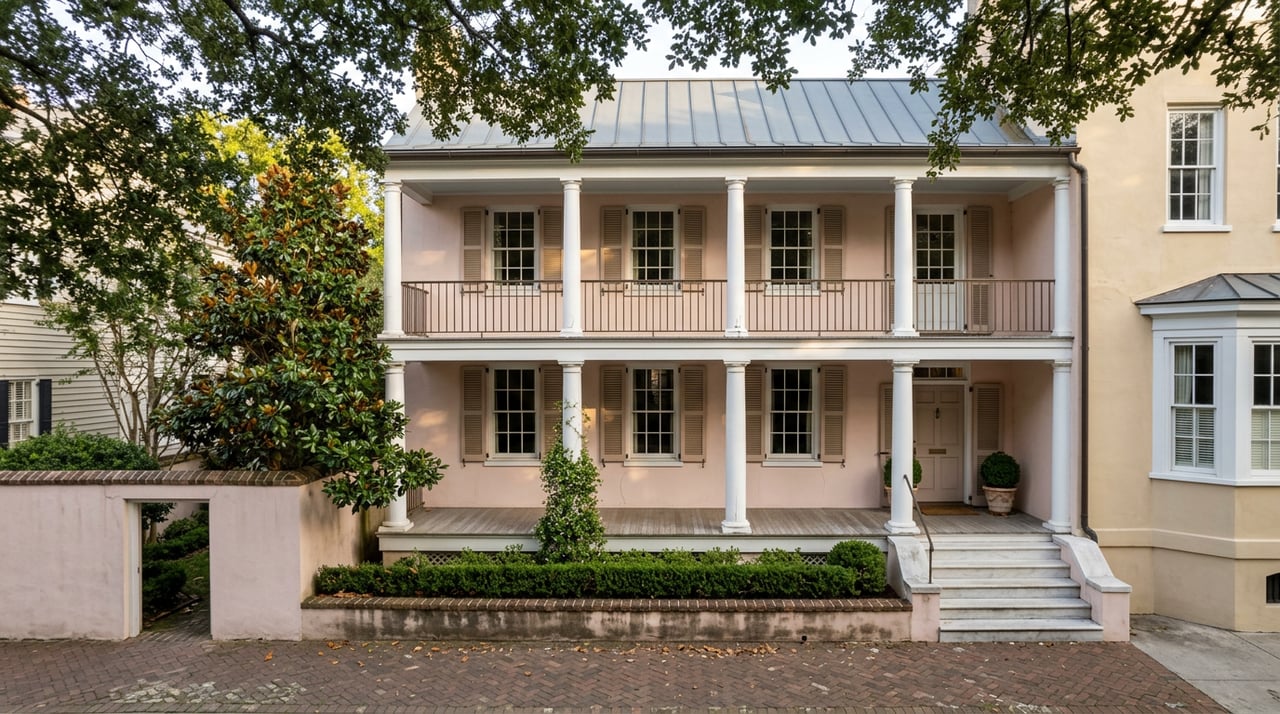
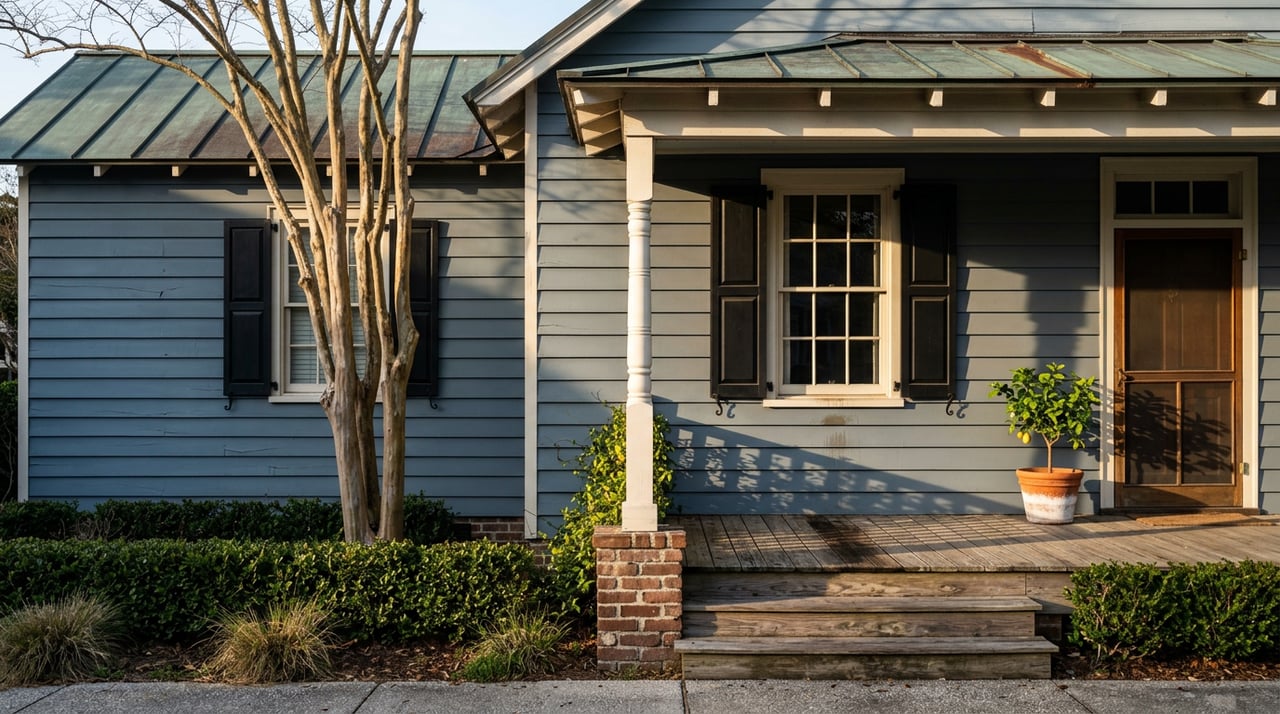
One of the strongest ways to position a home in Cannonborough-Elliotborough is to make its architecture easy to understand. The neighborhood includes Charleston single houses, Freedman’s cottages, corner stores, Victorian homes, accessory dwelling units, and compatible newer infill.
That means your listing does not need to force a single story that does not fit. Instead, it should clearly explain what your property is and why that style matters within the neighborhood. A character-rich home can feel compelling whether it is largely original, thoughtfully updated, or part of the area’s evolving streetscape.
The city’s appraisal points to several details that help define the neighborhood’s housing stock. If your home has any of these features, they should be visible in photography, staging, and marketing remarks.
When these elements are present, they should not get lost behind heavy decor or distracting furnishings. In a historic Charleston neighborhood, visible architectural detail often does part of the selling for you.
Not every block in Cannonborough-Elliotborough feels the same, and buyers pick up on that. Bogard and Line Streets are especially residential and pedestrian-oriented, with narrow streets and parallel parking that naturally slow traffic.
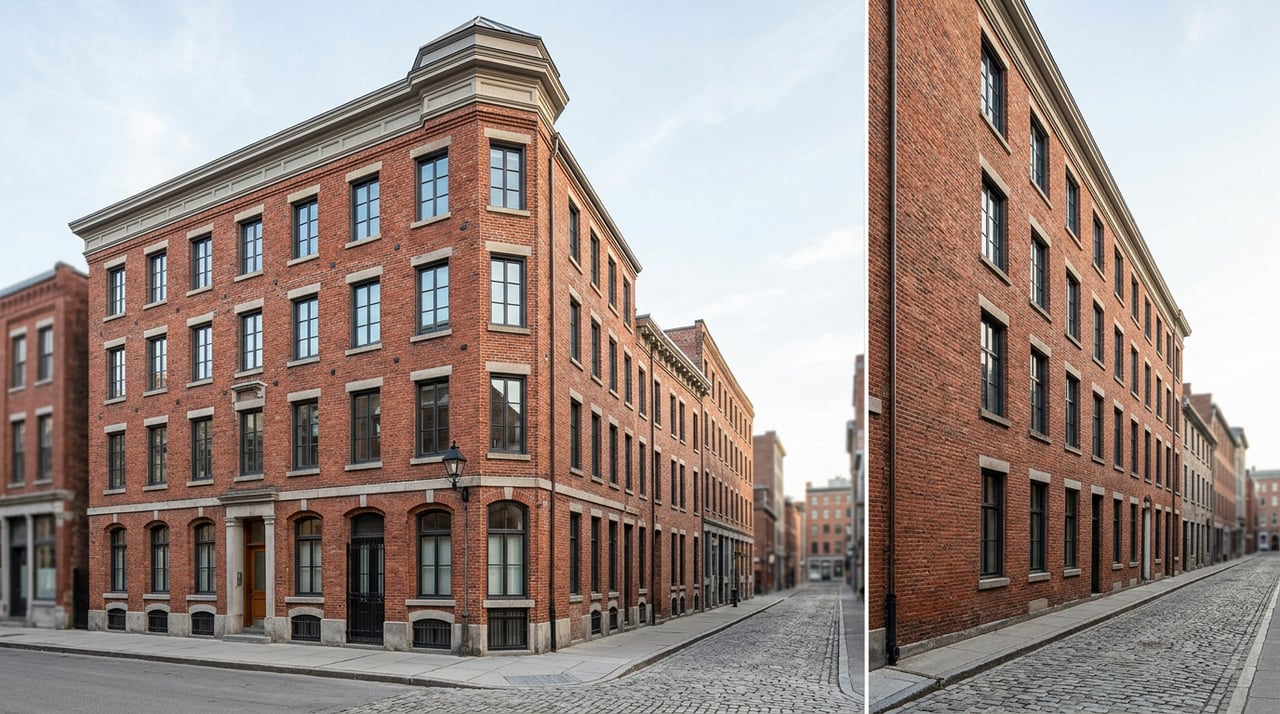
Rutledge and Ashley tend to lean more Victorian and often have greater setbacks. Mixed-use buildings and contemporary infill are also part of the neighborhood fabric. A strong listing strategy reflects the immediate context of your block rather than relying on a generic downtown pitch.
If your home sits on a quieter residential stretch, emphasize the human-scale streetscape and neighborhood feel. If it is near busier mixed-use blocks, highlight convenience, access, and the energy of the surrounding area.
This kind of positioning helps buyers place your home within the neighborhood more easily. It also builds trust because the presentation feels specific and grounded in reality.
Staging matters because it helps buyers picture themselves in the home. According to the National Association of Realtors’ 2025 staging report, 83% of buyers’ agents said staging made it easier for buyers to visualize a property as a future home.
In Cannonborough-Elliotborough, staging works best when it supports the architecture instead of competing with it. Your goal is not to erase the home’s age or quirks. Your goal is to simplify the setting so the character reads clearly online and in person.
NAR’s 2025 data identifies the living room, primary bedroom, and kitchen as the top staging priorities. If you are deciding where to spend time and money before listing, start there.
Focus on these basics:
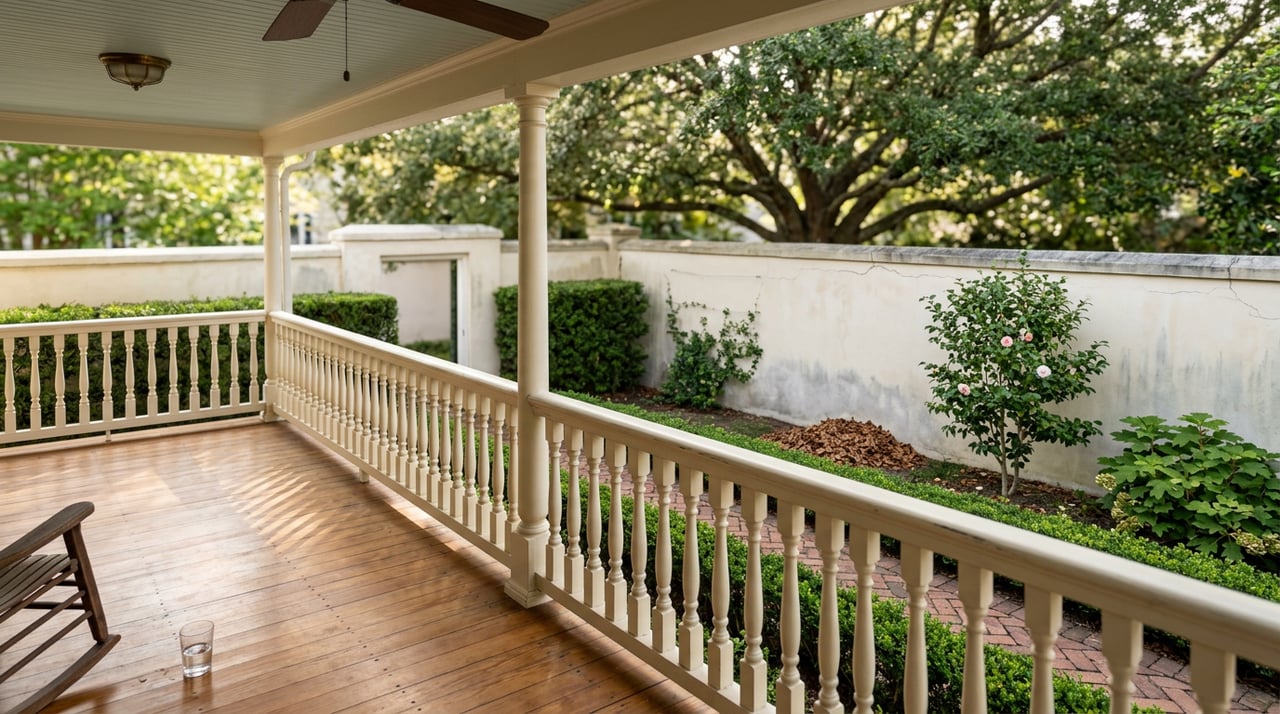
In a neighborhood known for piazzas, porches, transoms, and old woodwork, restraint is often more effective than over-styling. A lighter touch can make the home feel brighter, larger, and more memorable.
Online presentation carries real weight, especially with relocating and out-of-market buyers. NAR reports that buyers’ agents view photos, physical staging, video, and virtual tours as important listing tools.
Cameras tend to magnify clutter, awkward layouts, and dim corners. A room that feels fine in person can read crowded or darker than expected in photos. That is why pre-photo preparation is one of the highest-impact steps you can take.
Before the shoot, pay special attention to the details that give Cannonborough-Elliotborough homes their appeal.
If your home has a compact footprint, careful editing becomes even more important. Clean sightlines can help smaller historic homes photograph with more openness and ease.
Charleston sellers should be thoughtful about timing any pre-listing exterior work. In historic districts, the city’s Board of Architectural Review reviews exterior work visible from the public right-of-way, and the permit center routes applicable work through that process.
That does not mean every project will be complicated, but it does mean you should plan ahead. The city notes quick-review pathways for some items, including paint, fences, roof work, and in-kind window replacement.
If you are considering exterior improvements before listing, confirm requirements early for items such as:
This step can help you avoid delays that affect your listing timeline. It is especially important if your strategy depends on a polished exterior debut.
A strong listing in Cannonborough-Elliotborough should not stop at the house itself. The neighborhood story matters because buyers are often choosing a way of living as much as a property.
The area offers a credible mix of walkability and downtown access. Spring and Cannon Streets connect major corridors to Upper King Street, and city planning for the corridor includes sidewalks, crosswalks, street trees, and pedestrian lighting.
When relevant to your property location, your listing can thoughtfully reference nearby civic assets such as:
The key is balance. You want buyers to understand the convenience of the location without overselling it or making the home sound interchangeable with any other downtown address.
The most effective positioning in this neighborhood is usually the most honest. Cannonborough-Elliotborough is not defined by a single house type or a polished, one-note aesthetic. Its appeal comes from variety, historic integrity, and an urban residential rhythm.
That gives you room to tell a nuanced story. A home can feel special because it preserves original details, because it has been thoughtfully updated, or because it blends into the neighborhood’s pattern of old and new in a natural way.
If you want your home to stand out, build the listing around three ideas:
When those three elements work together, buyers can more easily see both the charm and the function of the home. That combination is often what creates stronger first impressions and better engagement.
A focused pre-listing plan can make the entire process smoother. Rather than taking on every possible project, concentrate on the changes that improve presentation, protect your timeline, and support the home’s story.
Here is a practical checklist to start with:
Selling in Cannonborough-Elliotborough is rarely about making a home feel generic. It is about making it feel clear, cared for, and true to its setting.
If you want a thoughtful strategy for positioning your downtown property, Anna Gruenloh offers a boutique, marketing-first approach grounded in Charleston expertise and historic home insight.
Stay up to date on the latest real estate trends.



Anna prides herself in knowing not only the properties that are available on the market but also the people that live and work in Charleston. Anna has a knack for quickly understanding her clients’ bottom-line needs and guiding them toward the home or investment property that will best suit them.