Westside Vs. Nearby Neighborhoods For In-Town Charleston Buyers
Choosing the right in-town Charleston neighborhood is rarely about being close to downtown. On the upper peninsula, you are already in the mix. The real question is how you want that daily experience to feel, whether that means historic cottage character, park access, or a slightly more relaxed residential setting. If you are comparing Westside with nearby options like Hampton Park Terrace and Wagener Terrace, this guide will help you see the differences more clearly. Let’s dive in.
Charleston’s Peninsula Plan treats the peninsula as a connected system, where housing, transportation, public space, economic activity, and quality of life all work together. That matters because Westside, Hampton Park Terrace, and Wagener Terrace are not isolated pockets. They are part of a shared upper-peninsula story, but each neighborhood offers a distinct version of in-town living.
The city is also including Westside, Hampton Park Terrace, and Wagener Terrace in Love Your Block neighborhood-improvement work. That reinforces how closely these areas are linked geographically and practically. For buyers, the decision usually comes down to lifestyle fit rather than simple map distance.
King Street remains Charleston’s main shopping and dining hub, so access to restaurants and retail is part of the appeal across this part of the peninsula. What changes from neighborhood to neighborhood is the street character, housing pattern, and what feels most central to your day-to-day life.
Westside sits on the Charleston Peninsula with historic Burke High School at its center. The neighborhood association also notes its strong African American cultural influence and proximity to Gadsden Green. That gives Westside a deeper historical identity than a buyer might assume from location alone.
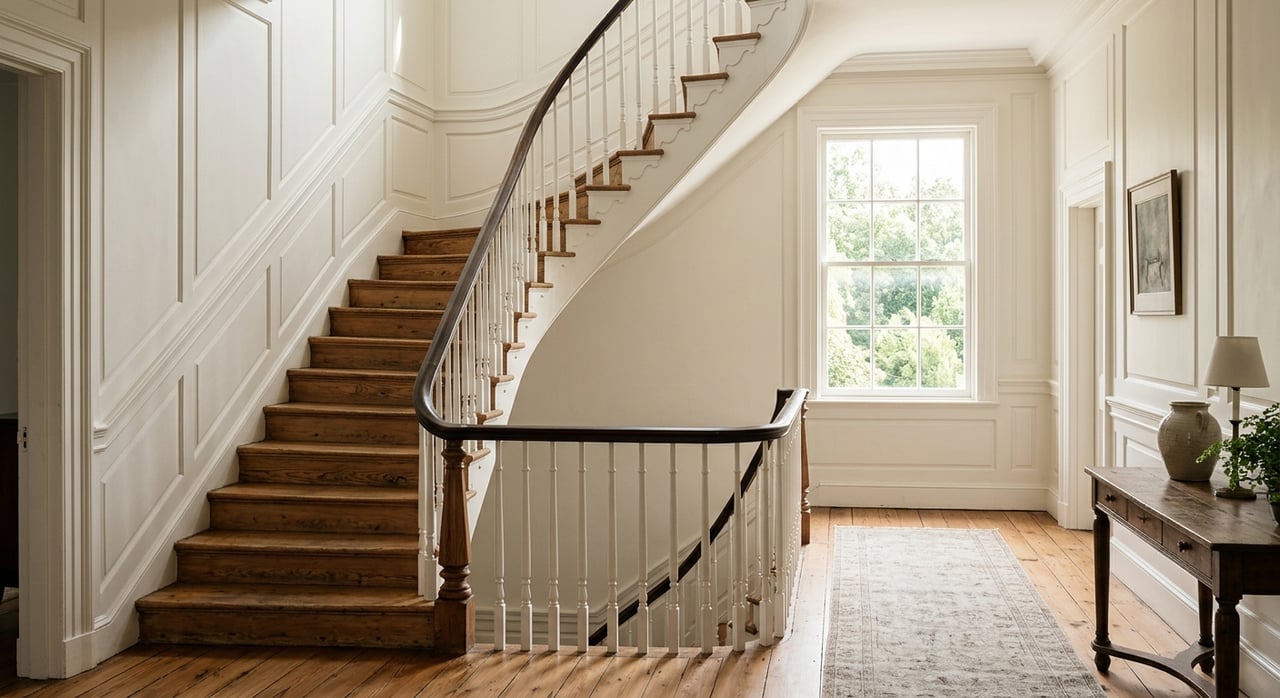
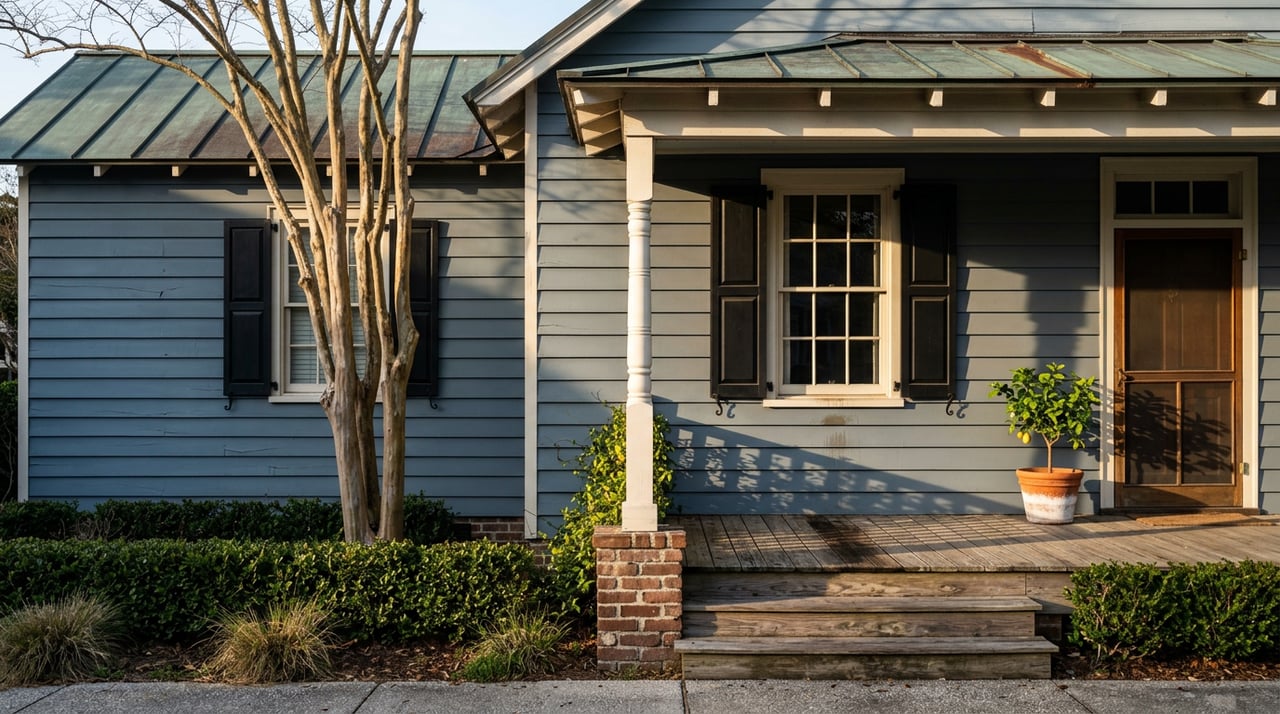
For many buyers, Westside stands out because of its smaller-scale historic housing. City BAR records identify a Westside house type as the Freedman’s Cottage, and city staff described that form as a significant historic resource in Charleston. If you are drawn to older homes with architectural meaning and renovation potential, that is an important detail.
Westside also has a practical edge for buyers who want regular access to the medical district. The city’s feasibility study for Coming, Rutledge, and Ashley Avenue says those corridors run through the medical district and several historic neighborhoods, with Westside directly impacted. In everyday terms, Westside is especially compelling if your routine connects often to that part of town.
Hampton Park Terrace offers one of the clearest historic residential identities on the upper peninsula. The Hampton Park Terrace Historic District began as a planned residential subdivision of 251 lots, and its National Register nomination notes that 371 properties were surveyed, with 218 dwellings and 64 garages contributing. Most buildings date from roughly 1910 to 1945, and very little new construction has occurred there since World War II.
That level of continuity shapes the neighborhood feel. The nomination says the most common house form is the Foursquare, followed by front-gable and bungalow forms, with Prairie, Craftsman, Colonial Revival, and Queen Anne influences. If you want an intact early-20th-century streetscape, Hampton Park Terrace is the most visually consistent of these three areas.
The neighborhood is also closely tied to green space. It is bounded on two sides by Hampton Park and The Citadel, and the city describes Hampton Park as one of Charleston’s largest parks with trails, restrooms, on-site parking, extensive floral displays, and year-round activity. If park access is high on your list, Hampton Park Terrace has the clearest advantage.
Wagener Terrace offers a different rhythm. The city describes it as near downtown and bounded by Sunnyside Avenue, Rutledge Avenue, Addlestone Avenue, and the Ashley River, with easy access to parks, restaurants, and shopping. Corrine Jones Park sits at the heart of the neighborhood, which helps define its everyday feel.
The city’s Area Character Appraisal describes Wagener Terrace as being on the outskirts of downtown with early-suburban characteristics. It also notes that the neighborhood has a residential pattern interrupted mainly by a few houses of worship and parks, while Rutledge Avenue acts as the mixed residential and commercial edge. For buyers, that often translates into a setting that feels a bit less dense while still staying firmly in-town.
Wagener Terrace also has a strong recreation component. Corrine Jones Playground includes an athletic field, playground, and tennis amenities, while the city’s neighborhood spot adds picnic tables, a soccer field, basketball and tennis courts, and a community garden. If you want a neighborhood where outdoor gathering spaces are central to the experience, Wagener Terrace is a strong contender.
All three neighborhoods have history, but Westside’s identity feels especially tied to Charleston’s broader cultural story. With Burke High School at its center, a strong African American cultural influence, and notable small-scale historic housing, Westside tends to feel more layered than a simple close-in neighborhood comparison might suggest.
Hampton Park Terrace, by contrast, feels more architecturally unified. Wagener Terrace feels more early suburban in layout and overall pattern. Westside often appeals to buyers who want a neighborhood with texture, complexity, and a stronger sense of change over time.
If your eye is drawn to smaller historic homes, Westside deserves a close look. The recognition of the Freedman’s Cottage as a significant historic resource points to a neighborhood where preservation-minded reinvestment matters. That can be especially appealing if you value charm, renovation possibilities, and architectural character in a more compact form.
Hampton Park Terrace usually attracts buyers who want a more intact district with a broad collection of early-20th-century house styles. Wagener Terrace tends to draw buyers looking for a residential setting shaped more by its neighborhood parks and river-adjacent position.
For some buyers, proximity is not abstract at all. It is about the routes you take every day. Based on the city’s corridor study, Westside is the strongest of the three for buyers who want routine access to the medical district.
That does not mean Hampton Park Terrace or Wagener Terrace are far removed from in-town activity. It means Westside has a particularly practical advantage if your work, schedule, or household needs are tied to that part of the peninsula.
Green space is still accessible from Westside, including nearby Brittlebank Park on Lockwood Drive, which the city lists with benches, picnic tables, and a playground. Still, park access is less defining here than it is in Hampton Park Terrace or Wagener Terrace.
That difference matters more than it may seem. Hampton Park Terrace is closely tied to one of Charleston’s largest parks, while Wagener Terrace has Corrine Jones Park at its heart and a broader park-centered identity. Westside tends to feel more downtown-adjacent than park-driven.
Westside is often the best fit if you are looking for:
If you are the kind of buyer who sees opportunity in older homes and values architectural context, Westside may offer the most compelling match.
Hampton Park Terrace may suit you best if you want:
For buyers who prioritize a polished historic neighborhood setting and large green space, Hampton Park Terrace is often the clearest fit.
Wagener Terrace may be the strongest option if you want:
For many buyers, Wagener Terrace strikes a nice balance between in-town access and a more spacious neighborhood feel.
If you are comparing homes in any of these neighborhoods and thinking ahead to exterior changes, it is important to verify parcel-specific preservation rules early. The City of Charleston’s Board of Architectural Review reviews new construction, visible alterations, and many demolitions within historic districts and related overlays.
That does not mean every property will face the same level of review. It does mean that if renovation potential is part of your buying strategy, you will want neighborhood-level guidance paired with property-level due diligence.
There is no one-size-fits-all winner between Westside, Hampton Park Terrace, and Wagener Terrace. Westside stands out for buyers who want historic cottage character, reinvestment potential, and strong access to the medical district. Hampton Park Terrace is the clearest fit for buyers who want an intact historic residential district with major park access, while Wagener Terrace often wins for those who want a park-centered neighborhood with a slightly more relaxed feel.
If you are narrowing your search on the peninsula, the most useful question is not which neighborhood is best overall. It is which one best supports the way you want to live day to day. If you want help comparing Charleston micro-neighborhoods with more nuance, connect with Anna Gruenloh for tailored guidance.
Stay up to date on the latest real estate trends.
Anna prides herself in knowing not only the properties that are available on the market but also the people that live and work in Charleston. Anna has a knack for quickly understanding her clients’ bottom-line needs and guiding them toward the home or investment property that will best suit them.