Front Porch Living In Hampton Park Terrace
If you picture Charleston living as a shady sidewalk, a wide porch, and neighbors who actually pause to chat, Hampton Park Terrace likely comes to mind. This peninsula neighborhood has a distinct rhythm that feels both social and grounded in its historic setting. If you are curious about what makes it so appealing, this guide will walk you through the architecture, daily lifestyle, and practical considerations that shape life here. Let’s dive in.
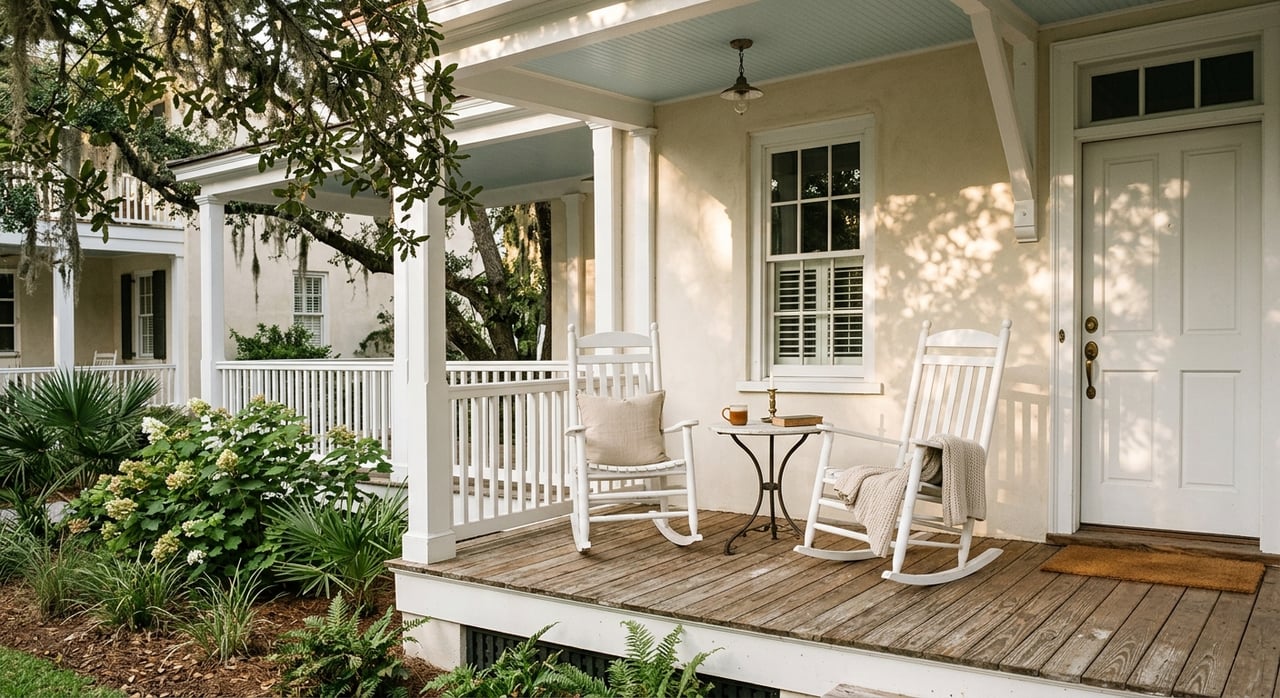
In Hampton Park Terrace, the front porch is not a trend or a styling choice. It is part of the neighborhood’s original design language.
The Hampton Park Terrace Historic District was laid out in 1912 as a 251-lot planned suburb, with most contributing homes built between about 1914 and 1922. Because very little new construction happened after World War II, the neighborhood still holds a strong early-20th-century character today.
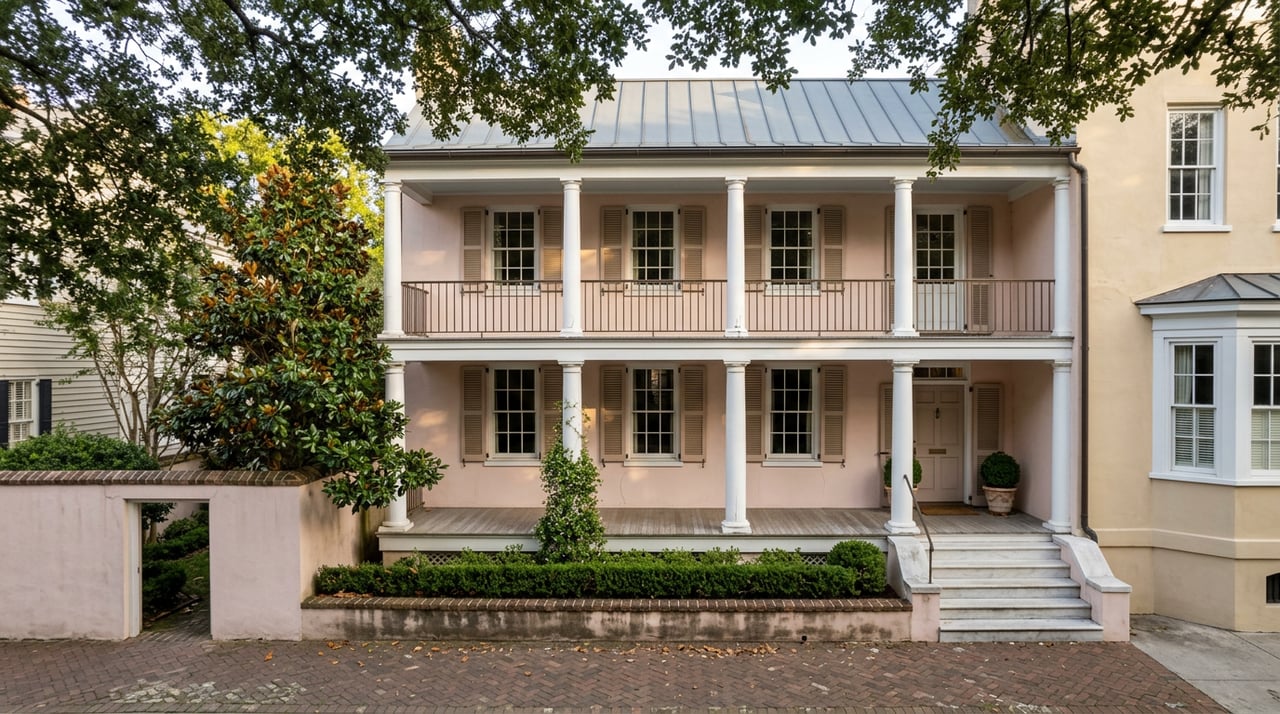
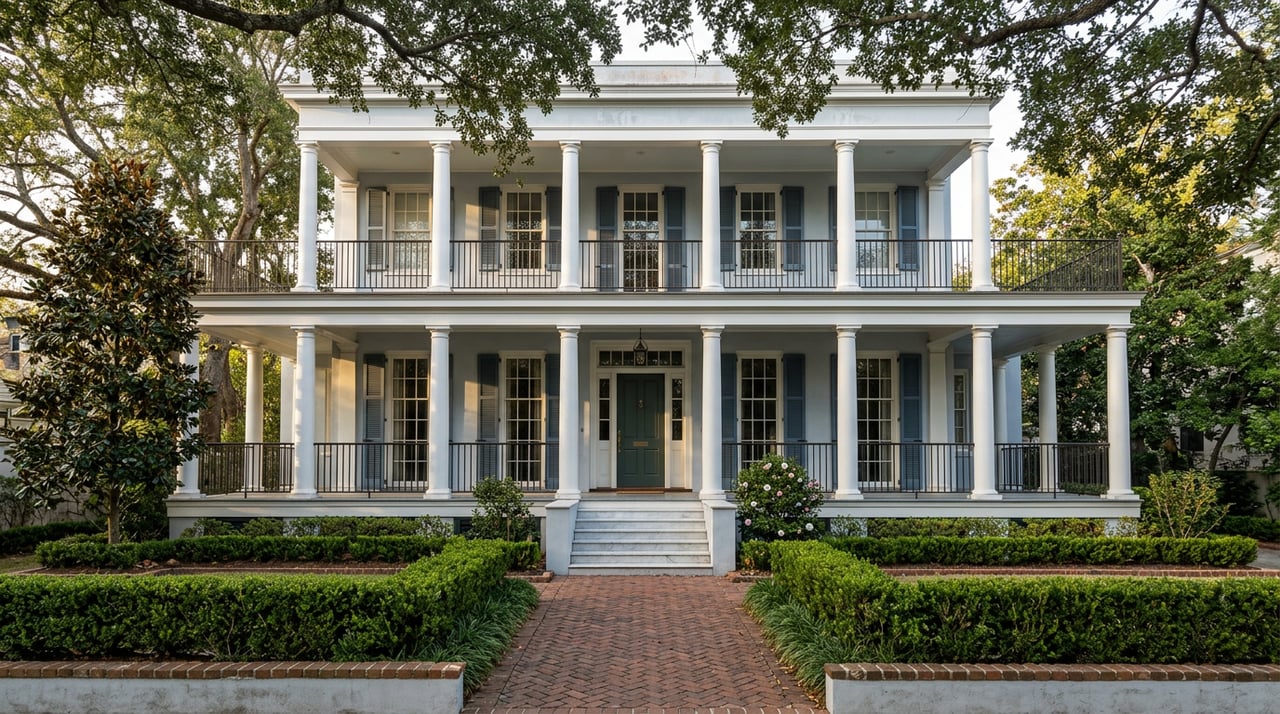
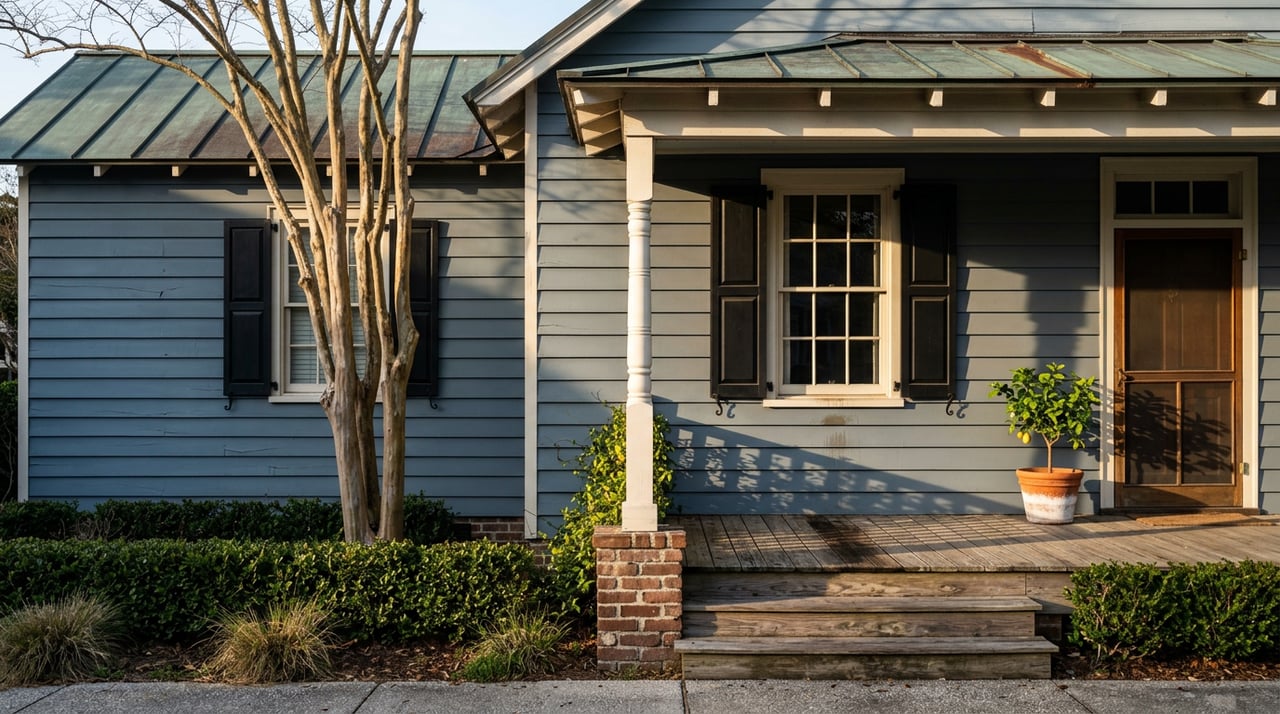
That history shows up clearly in the streetscape. Many homes feature full-facade porches, hipped roofs, dormers, and one- or two-story porch arrangements that were part of the original architecture, not later additions.
The most common house type in the district is the Foursquare, but you will also see front-gable homes, bungalows, Prairie influences, and Colonial Revival details. Together, those forms create a neighborhood that feels visually consistent without looking repetitive.
That consistency matters if you are buying or selling here. The appeal of Hampton Park Terrace is not only the individual homes, but also the way the blocks read as a cohesive historic neighborhood.
Many sunporches and sleeping porches have been enclosed over time, which adds another layer to the area’s architectural story. Even with those changes, the district still reflects its porch-era roots in a very visible way.
Porch-forward design changes how a neighborhood feels. Homes sit in relationship to the street, and that creates a stronger sense of visibility, rhythm, and everyday interaction.
In Hampton Park Terrace, that pattern still shapes daily life. The neighborhood spotlight from the City of Charleston points to bi-monthly meetings, porch coffee socials, an ice cream truck event, and home tours, all of which reinforce a porch-centered culture.
One of the biggest lifestyle advantages here is proximity to Hampton Park. The park is one of the City of Charleston’s largest parks and includes trails, a playground, restrooms, picnic tables, and on-site parking.
The city also describes Hampton Park as having the most extensive floral displays of any city park, including an old rose collection and seasonal plantings. It hosts year-round activity, from weddings and family reunions to Frisbee games and fitness use on the trail.
If you live in Hampton Park Terrace, the park becomes part of your regular routine. It is the kind of nearby green space that can anchor a morning walk, an afternoon outing, or a simple change of scenery without leaving the peninsula.
For many people, the draw of this neighborhood is not a single landmark. It is the combination of porch culture, walkable routines, and access to one of Charleston’s most established public spaces.
You may start the day with coffee on the porch, head out for a walk under the trees in Hampton Park, and end the evening back outdoors as the light softens across the block. That is a big part of what gives Hampton Park Terrace its identity.
Hampton Park Terrace also benefits from nearby dining and café options that fit naturally into neighborhood life. Close-by destinations support a routine that feels local and easy rather than overly programmed.
Lillian’s Petite Market & Eatery at 247 Congress Street identifies itself as a neighborhood market, café, and bar near Hampton Park. Its offerings include coffee and breakfast, lunch, weekend brunch, and dinner, along with a community-centered format.
The Park Cafe at 730 Rutledge Avenue is another nearby option, with lunch, brunch, and dinner service in a relaxed setting. Berkeley’s at 624½ Rutledge Avenue, at Rutledge and Huger, adds a casual dine-in and take-away option within the neighborhood’s daily orbit.
One reason Hampton Park Terrace stands out is that the neighborhood supports simple habits. A quick walk to a nearby café, a stop in the park, or an informal porch gathering can shape the day as much as any planned event.
That balance gives the area a lived-in feel. It is one of the reasons buyers looking for historic character often connect strongly with this part of the peninsula.
If you are considering a home in Hampton Park Terrace, it helps to look beyond square footage and finishes. Here, architectural integrity and location within the historic district can play a meaningful role in ownership.
You are not just buying a house. You are buying into a neighborhood context that has stayed remarkably intact for more than a century.
That can be especially appealing if you value original design elements and a streetscape with a clear sense of place. It can also shape your renovation plans and timeline.
Hampton Park Terrace sits within Charleston’s historic-preservation framework. The City of Charleston says the Board of Architectural Review reviews new construction, alterations, and renovations visible from the public right-of-way within historic districts, and it also reviews many demolitions in older parts of the city.
For buyers, that means exterior work may require more planning than it would in a non-historic area. Projects involving porches, window replacement, façade changes, or additions may need review before work begins.
Minor items such as painting or small repairs may be handled by staff review rather than full board review. Even so, property owners are expected to follow preservation standards.
If you are selling in Hampton Park Terrace, the neighborhood story matters. Buyers are often drawn to more than finishes and room count here. They are responding to the feel of the block, the porch presence, the park access, and the architectural continuity.
That means thoughtful marketing can make a real difference. A strong presentation should show how a home lives within the neighborhood, not just within its property lines.
Porches deserve special attention in that story. In Hampton Park Terrace, they are part of the historic identity that helps distinguish the neighborhood from other peninsula options.
The same review framework that may add planning steps for renovations also helps preserve the neighborhood’s visual coherence. That is part of why Hampton Park Terrace still feels distinctly early-20th-century rather than heavily redeveloped.
For sellers, that enduring character can be a meaningful asset. For buyers, it can create confidence that the broader setting is not incidental to the value of the home.
Some neighborhoods are defined by novelty. Hampton Park Terrace feels defined by continuity.
Its planned-suburb origins, porch-era housing, and close relationship to Hampton Park give it a lifestyle that feels deeply rooted in place. Add in neighborhood gatherings and nearby cafés, and you get a part of Charleston where everyday life often unfolds at a more personal, street-level pace.
If that combination speaks to you, Hampton Park Terrace is worth a closer look. Whether you are buying, selling, or considering a thoughtful renovation, understanding the neighborhood’s history and framework can help you make more confident decisions.
If you are exploring Hampton Park Terrace and want guidance shaped by Charleston historic-home expertise, local market knowledge, and a thoughtful approach to presentation and value, Anna Gruenloh would love to connect.
Stay up to date on the latest real estate trends.
Anna prides herself in knowing not only the properties that are available on the market but also the people that live and work in Charleston. Anna has a knack for quickly understanding her clients’ bottom-line needs and guiding them toward the home or investment property that will best suit them.