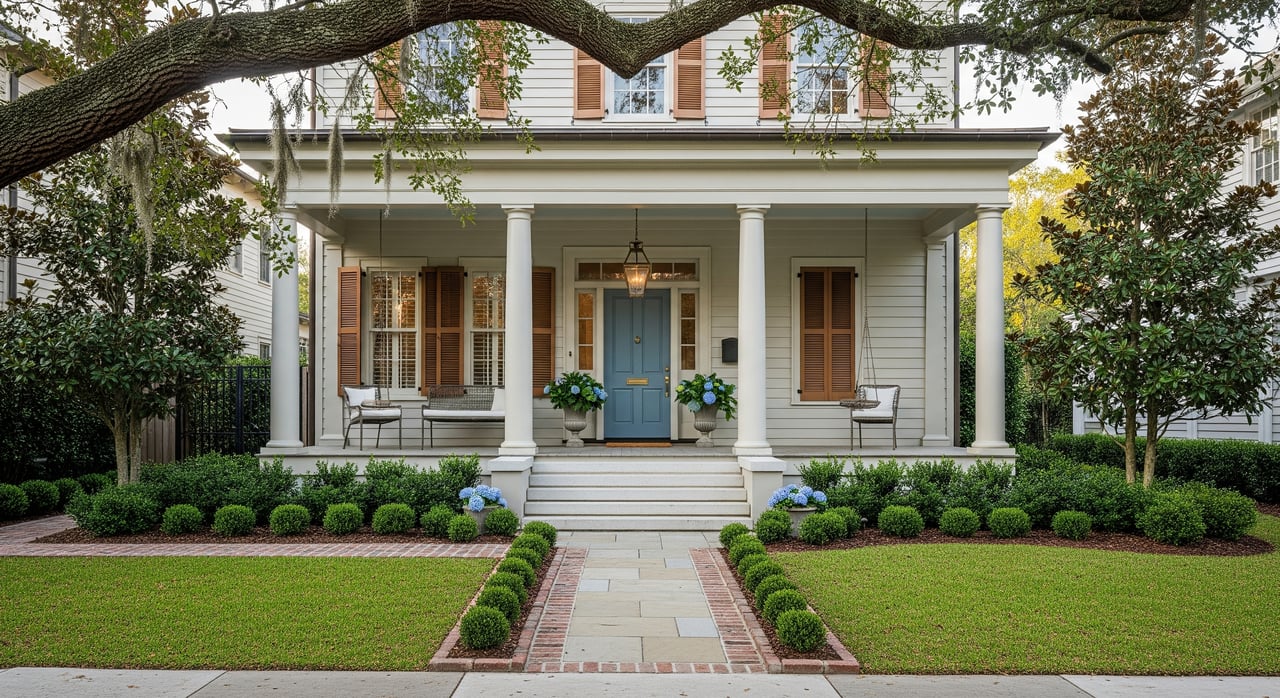
Curb Appeal Tips for Hampton Park Terrace Homes
Is your front porch making the first impression you want? In Hampton Park Terrace, a tidy path, period-appropriate details, and Lowcountry-ready plantings can set the tone before anyone steps inside. Whether you plan to sell this season or simply want your home to shine, a few targeted updates can boost value and pride of place. Below, you’ll find a practical plan that respects the neighborhood’s historic character and Charleston’s climate. Let’s dive in.
Hampton Park Terrace is known for early to mid-20th century architecture, including Craftsman bungalows and revival styles. Your curb appeal should highlight that character rather than compete with it. Focus on a welcoming porch, a clear front path, and layered plantings that handle heat and humidity.
Because Charleston’s climate is hot and humid with periodic storms, favor durable finishes and resilient landscaping. Salt air can speed up corrosion, and heavy rain tests drainage, so plan for both good looks and performance.
Create year-round form with evergreen shrubs that suit Lowcountry conditions. Gardenia, camellia, yaupon holly, and wax myrtle offer structure and seasonal blooms. Keep shrubs trimmed so they frame windows and the front door, not block them.
If you have room for small ornamental trees, consider dogwood, redbud, or smaller magnolia cultivars. For larger lots, crape myrtle adds summer color and scale variety. Maintain safe distances from foundations and utilities.
Add color with azaleas, hydrangeas, lantana, and salvia. In partial shade, hydrangeas can perform well with consistent moisture. Confederate jasmine can climb a trellis or softens a fence line. Choose more salt-tolerant species on exposed sites.
Shaded streets and mature trees can challenge turf. Dwarf mondo grass, liriope, or creeping mondo provide neat edges and coverage where grass struggles. Consider smaller, intentional lawn areas bordered by mulch beds to reduce maintenance.
Use drip irrigation or targeted sprinklers for beds to conserve water and reduce disease pressure. Aim grading and bed edges to carry water away from the foundation. If you have a persistent wet spot, a small rain garden can manage runoff while adding visual interest.
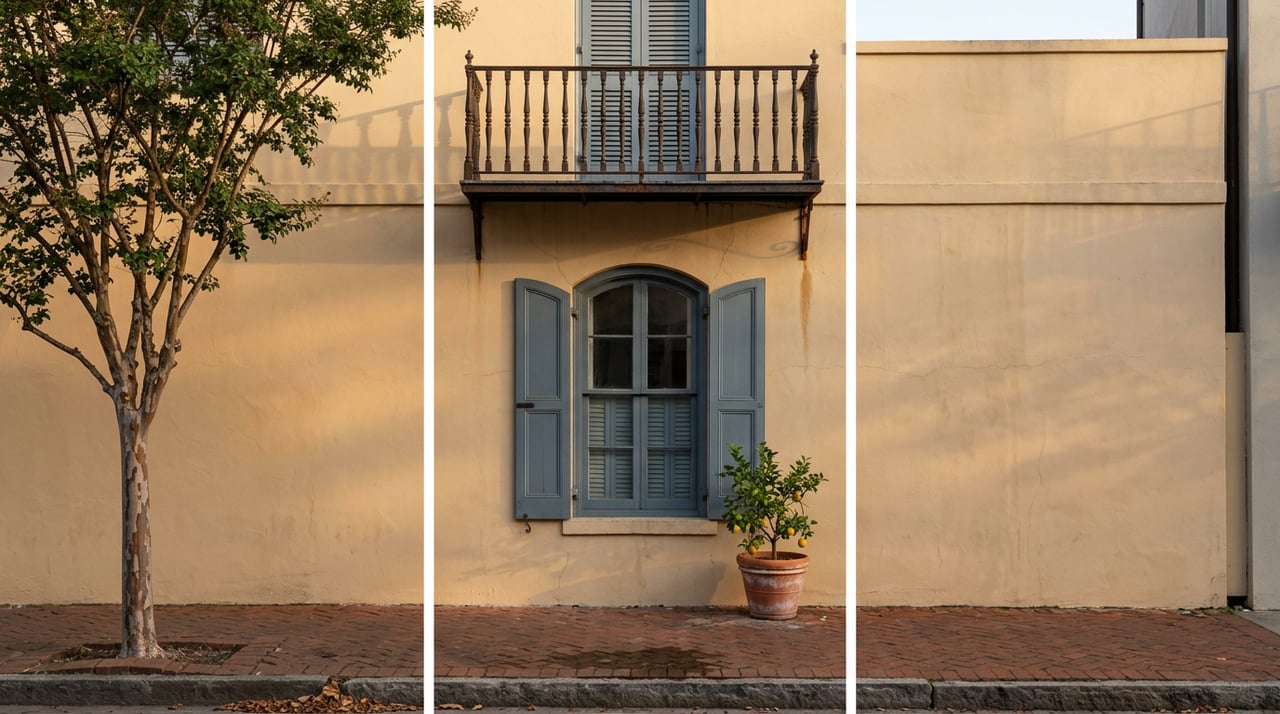
Brick, brick pavers, and crushed shell feel authentic in the Lowcountry and complement bungalow-era facades. Permeable pavers or concrete with clean formation lines can modernize the look while respecting the setting.
Keep the path to your front door visible and well edged. Add low, warm lighting to guide the way and prune plantings so they don’t crowd walkers. On the porch, coordinate furniture and planters with your paint palette for a polished finish.
Pressure-wash and repair cracked concrete or sunken pavers. Where feasible, consider permeable surfaces to reduce runoff. Define bed lines crisply with metal or brick edging for a neat, low-maintenance look.
Choose high-quality exterior paints and primers designed for humidity and UV exposure. Touch up peeling areas before they spread, and keep color palettes compatible with neighborhood character. A freshly painted front door in a complementary color delivers instant impact.
Well-maintained gutters signal care and protect your foundation. Clean them seasonally and ensure downspouts discharge away from the house. In heavy-rain events, visible, functioning water management is both practical and reassuring.
Salt air can tarnish hardware and lighting. Clean regularly or choose marine-grade or galvanized finishes. Replace faded house numbers and porch fixtures to elevate the entry without major expense.
Plan major planting projects for fall or early spring so roots establish before summer heat. Reserve midsummer for lighter maintenance unless you have irrigation and extra time for care. Schedule exterior painting and staining in cooler, drier windows to avoid curing issues.
If your home falls under local historic review, exterior changes visible from the street may need approval. This can include paint colors, fencing, porch elements, and hardscape changes. Before committing to visible alterations, check with City of Charleston planning and historic preservation staff or your neighborhood association.
Driveway replacement or widening, significant grading, large tree removal, and structural repairs often require a permit or review. Always verify requirements with City of Charleston or Charleston County before you start work.
Schedule major projects for fall or early spring and avoid peak hurricane season when possible.
If you plan to list, focus on a few visible elements buyers notice first:
These updates respect the historic streetscape and perform well in Charleston’s climate. Done together, they create a cohesive look that photographs beautifully and feels welcoming in person.
Ready to build a curb appeal plan tailored to your Hampton Park Terrace home? For strategy that blends historic sensibility with market-minded presentation, connect with Anna Gruenloh. Let’s align your budget, timing, and goals for the best outcome.
Stay up to date on the latest real estate trends.
Anna prides herself in knowing not only the properties that are available on the market but also the people that live and work in Charleston. Anna has a knack for quickly understanding her clients’ bottom-line needs and guiding them toward the home or investment property that will best suit them.