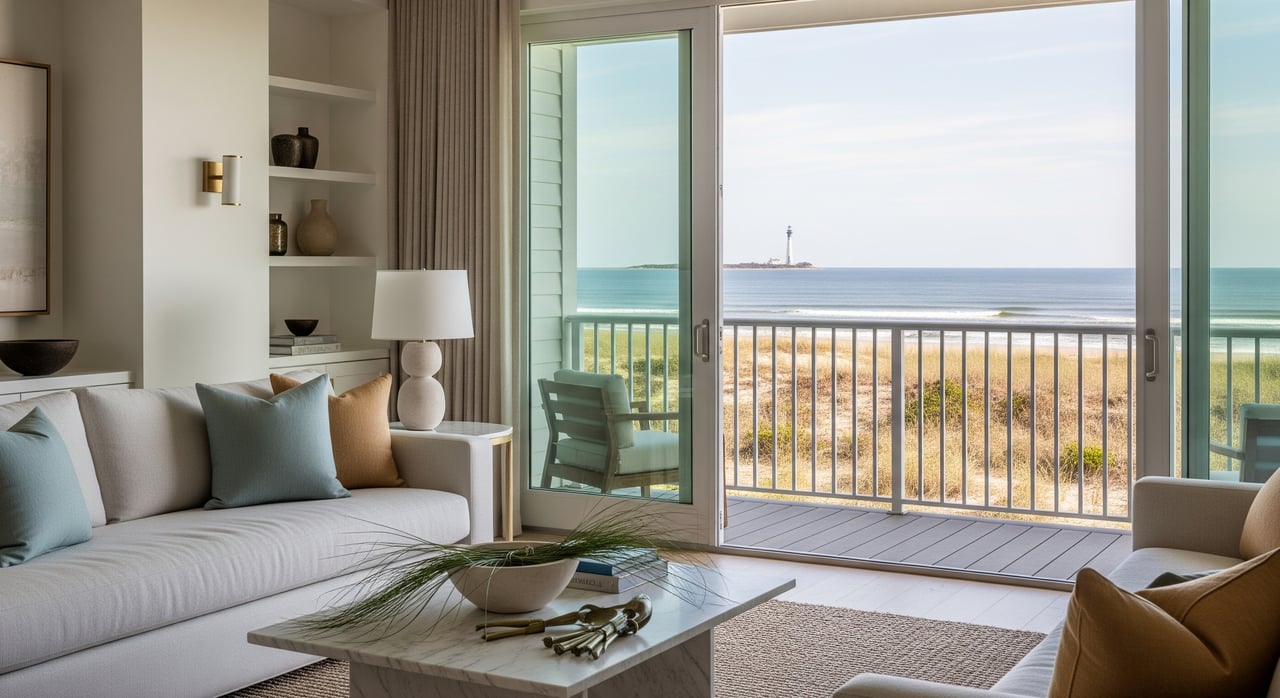
Ready to unlock easy beach living without the guesswork? If you’re eyeing a turnkey condo in Folly Beach, you want confidence that what you see is what you’ll get. You also want clarity on coastal risks, HOA health, insurance costs, and whether you can rent it when you’re not in town. This guide gives you a clear, local playbook so you can buy with eyes wide open and start enjoying your place sooner. Let’s dive in.
What “turnkey” really means in Folly Beach
Turnkey is a marketing term, not a legal one. In Folly Beach, sellers use it to signal move-in ready and often fully furnished. For investors, it can imply rental-ready with linens, kitchenware, and decor in place.
Do not assume. Make the details specific in writing. Your contract should define what is included, how it must function at closing, and what happens if anything is missing.
Verify the turnkey package in writing
- Detailed inventory list and condition for furniture, appliances, electronics, linens, and decor. Add serial numbers and photos when possible.
- Warranties and service contracts for HVAC, water heater, appliances, and any termite bonds. Confirm transferability.
- Recent servicing records for HVAC, plumbing, and electrical, especially after storms.
- Utility setup details and whether services are individually metered.
- Proof that included systems and appliances work. Your inspection should cover these items.
- Clear status for personal property. Specify if furnishings are as-is or subject to repair or replacement.
Put it in writing: contract tools that protect you
A clean contract prevents friction and protects your timeline.
- Add the inventory exhibit to your purchase agreement and define remedies for missing or nonfunctional items at closing.
- Use an inspection contingency and schedule a thorough final walk-through.
- If you plan to rent right away, set expectations in writing for professional cleaning, linens, keys, codes, and property management handoff.
HOA and condo documents to review first
Your HOA review is just as important as your inspection. Request the full package early.
- CC&Rs, bylaws, and rules for use, parking, pets, and noise
- Current budget, past 2–3 years of financials, and any reserve study
- Insurance certificate or master policy summary and deductibles
- Board and member meeting minutes for the past 12–24 months
- Pending or recent special assessments and capital projects
- Litigation disclosures and any contractor or developer disputes
- Rental rules including any caps, minimum stays, or registration
- Management agreement and contact info for the manager
HOA red flags to watch
- Low reserves paired with visible deferred maintenance
- High delinquency in dues among owners
- Pending litigation that could lead to costs or delays
- Rental restrictions that conflict with your plans
Insurance layers you must understand
Coastal condos involve two insurance layers. Understand who covers what before you bind coverage.
- Master policy carried by the HOA. Coverage can be all-in or bare walls-in. Confirm how the policy treats interior finishes and improvements. Clarify who pays the master deductible after a covered loss.
- Your HO-6 policy. This covers interior improvements, personal property, loss of use, and liability. In coastal areas, you typically add wind or hurricane coverage and flood insurance, depending on location and lender requirements.
For flood exposure, check zoning and elevation. Properties in Special Flood Hazard Areas often require flood insurance if you have a mortgage. Review your options using the FEMA Flood Map Service Center and consult the South Carolina Department of Insurance for statewide insurance guidance.
Coastal inspections that matter
Salt, wind, and water drive different wear patterns than inland properties. Hire an inspector with coastal condo experience.
- Exterior envelope: balconies, railings, decks, siding, and flashing for corrosion and rot
- Structural systems: pilings and foundations for elevated buildings; roof age and maintenance
- Mechanical and common systems: rooftop equipment, elevator service history in mid-rise buildings
- Unit-level: moisture intrusion and mold, window and door seals, coastal-rated windows or shutters, HVAC corrosion, electrical capacity, and dryer venting
If the building is older or near the ocean, consider a structural engineer. Also request a termite and wood-destroying insect report, and ask about any active termite bonds.
Flood and shoreline risk checks
Start with FEMA maps, then add local context.
- Request an elevation certificate for accurate rating and lender underwriting.
- Review historical storm surge maps and any shoreline stabilization or nourishment nearby.
- Explore long-term projections with the NOAA Sea Level Rise Viewer.
Understanding these layers will help you budget for insurance and plan your long-term hold.
Short-term rental rules and owner obligations
If you plan to rent, confirm two sets of rules: the city and the HOA. Requirements can change, so verify current details directly with the city and your association.
- City permits, business licenses, and transient occupancy taxes
- HOA rental caps, minimum stays, registration, and any grandfathered rights
- Tax collection and remittance processes
Check the City of Folly Beach website for municipal ordinances, business licensing, and any STR program updates. Then get written confirmation from the HOA about what is allowed in your building.
Financing and appraisal essentials
Condo financing has project-level requirements. Confirm these early to avoid surprises.
- Project eligibility. Many lenders follow Fannie Mae and Freddie Mac guidelines. Non-warrantable projects can require portfolio lenders, higher down payments, or different rates.
- Occupancy mix. High investor or single-entity ownership can affect terms.
- FHA and VA loans. These have separate condo approval processes.
- Cash buyers. Cash can help in competitive moments and avoids some project underwriting.
Appraisers typically treat furniture as personal property, not part of the real estate value. Make sure the appraiser understands what is a fixture and what is furniture so the valuation reflects the unit itself.
Closing and title must-do’s
Before you close, tie up these details to avoid last-minute issues.
- Confirm there are no unpaid municipal liens, tourist taxes, or HOA debts
- Verify who is responsible for the HOA master policy deductible after any future claim
- Check for easements, encroachments, parking rights, and beach access details
- Confirm transfer of warranties, service contracts, and utility accounts
- Conduct a final walk-through with your inventory list to confirm turnkey delivery
Your Folly Beach buyer checklist
Pre-offer
- Identify target buildings and review recent comps
- Request HOA budget, reserves, insurance summary, rental policy, and minutes
- Speak with a local lender experienced with coastal condos about project eligibility
Offer stage
- Include inspection, HOA-doc, financing, and title contingencies
- Attach a detailed inventory exhibit for any turnkey sale
- Request payoff of any HOA or municipal debts at closing
Inspections
- Unit: moisture, plumbing, HVAC, electrical safety, and all included appliances
- Building: balconies, roof, corrosion, envelope, elevator, and common areas
- Pest and termite report; obtain an elevation certificate if in or near a flood zone
HOA questions
- Current reserve balance and date of last reserve study
- Recent or upcoming special assessments
- Short-term rental rules and any caps or minimum stays
- Responsibility for master policy deductible and any recent claims
- Owner-occupancy rate and delinquency rate
- Any pending litigation or major repairs in progress
Pre-closing
- Schedule all inspections and any specialist reviews
- Confirm transfer of warranties and service contracts
- Bind HO-6, wind, and flood coverage per lender requirements
- Complete final walk-through to verify inventory and condition
Work with a local advisor
Buying a turnkey condo on Folly is about more than furniture and finishes. It is about smart due diligence, a strong contract, and local expertise on coastal construction, HOAs, and insurance. When you have a trusted guide, you can close with confidence and enjoy your place from day one.
If you are considering a turnkey condo on Folly Beach or the surrounding islands, connect with a local, principal-led advisor who knows the buildings, boards, and lenders that matter. Anna Gruenloh brings deep Lowcountry experience and a calm, thorough approach to help you secure the right condo at the right terms.
FAQs
What does “turnkey” include for a Folly Beach condo?
- It typically means fully furnished and move-in ready, but you should require a written inventory, condition standards, and remedies in your contract.
How do I check flood risk for a Folly Beach condo?
- Review FEMA flood maps, request an elevation certificate, and consult the NOAA Sea Level Rise Viewer to understand both current risk and long-term projections.
What condo insurance do I need as an owner?
- The HOA carries a master policy for common areas and structure, while you carry an HO-6 policy that usually includes interior improvements, personal property, liability, and wind and flood as needed.
Can I short-term rent my Folly Beach condo immediately?
- Only if both the City of Folly Beach rules and your HOA rental policies allow it; verify permits, taxes, minimum stays, and any rental caps in writing before you buy.
Why is condo financing sometimes harder than a house?
- Lenders evaluate the entire condo project for eligibility; if it is non-warrantable or has high investor ownership or litigation, you may need a portfolio lender or larger down payment.
Do furnishings count in the appraisal for a turnkey sale?
- Generally, furniture is personal property and not part of the real estate value; confirm the appraiser is valuing fixtures and improvements correctly.