A Day In Harleston Village: Everyday Charleston Living
Wonder what a typical day feels like in Harleston Village? Picture early walks around a mirror-still lake, errands on foot, and evenings where dinner and a show are a short stroll away. If you’re weighing a move to Charleston’s historic peninsula, you want the real rhythm, plus the practical details that shape daily life. In this guide, you’ll explore the neighborhood’s flow, housing character, and what to know before you buy. Let’s dive in.
You’ll likely start with a loop around Colonial Lake. It’s a favorite for walkers, joggers, and dog owners, and the sidewalks make it easy to keep a steady pace. Nearby, small cafés offer quick coffee and pastries. Because blocks are short and connected, morning errands like dry cleaning drop-off or a quick grocery pickup often fit into your walk.
By midday, King Street pulls you in for boutiques, galleries, and specialty shops. Lunch spots are within a comfortable 5 to 15 minute walk depending on your block. If you need a larger grocery run, a short drive or bike ride to peninsula markets is common. It’s an urban routine where you can accomplish a lot in a small radius.
In the afternoon, you can slow down with a bench seat by the water or a shaded stroll under mature street trees. Cultural stops, galleries, and museum visits are an easy walk. The neighborhood’s scale invites spontaneous detours, whether you step into a bookstore or take an extra block to admire a restored façade.
Evenings lean social but convenient. You can walk to dinner on or near King Street and reach performance venues without getting in the car. Because Harleston Village is largely residential, the interior blocks tend to be calmer while livelier energy concentrates on commercial corridors. That balance is a big part of the appeal if you like activity close by without being in the middle of it at night.
Walkability is a hallmark here. Sidewalks, connected streets, and short blocks make many everyday trips possible on foot. Cycling is popular for quick hops, and short rides can replace many car trips.
CARTA routes serve major peninsula corridors if you prefer transit for commutes or events. Rideshare is common for evenings out or trips off the peninsula. If you work on the peninsula, you may find you drive less than you expect.
On-street and metered parking are typical. Some streets have time limits or permit requirements, and older properties may not include off-street parking. If you have multiple cars, focus your search on homes with dedicated spaces and review current city parking rules for your block.
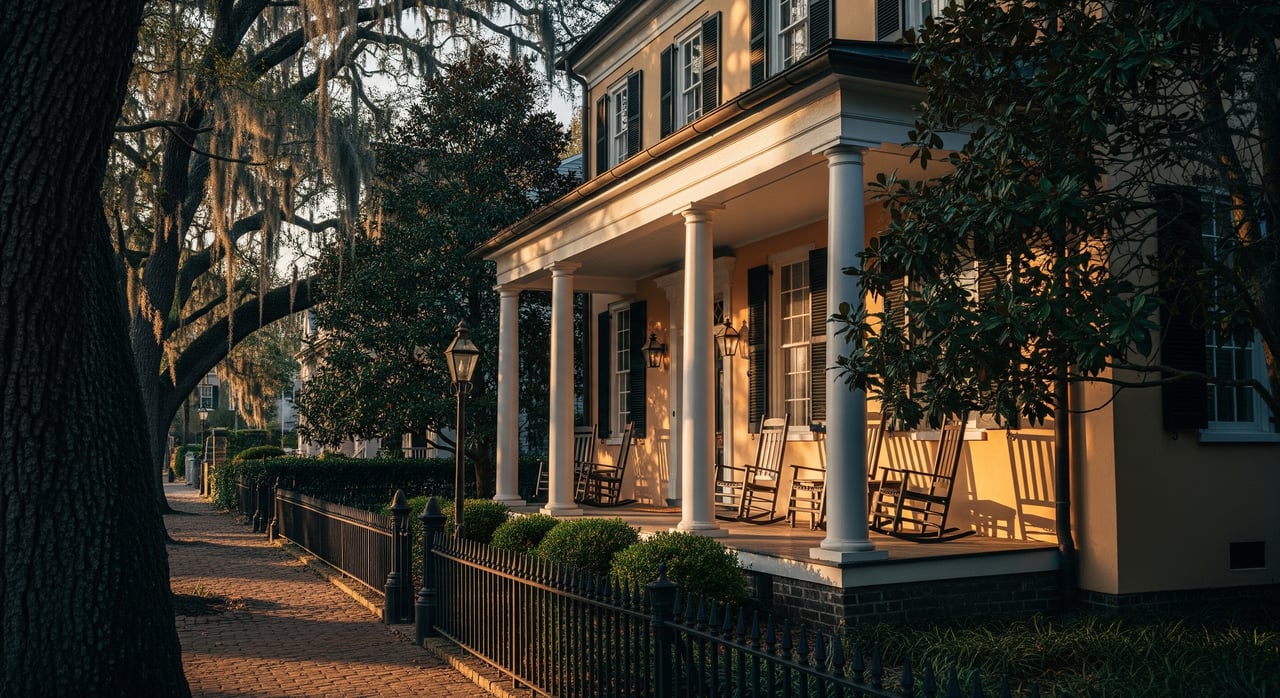
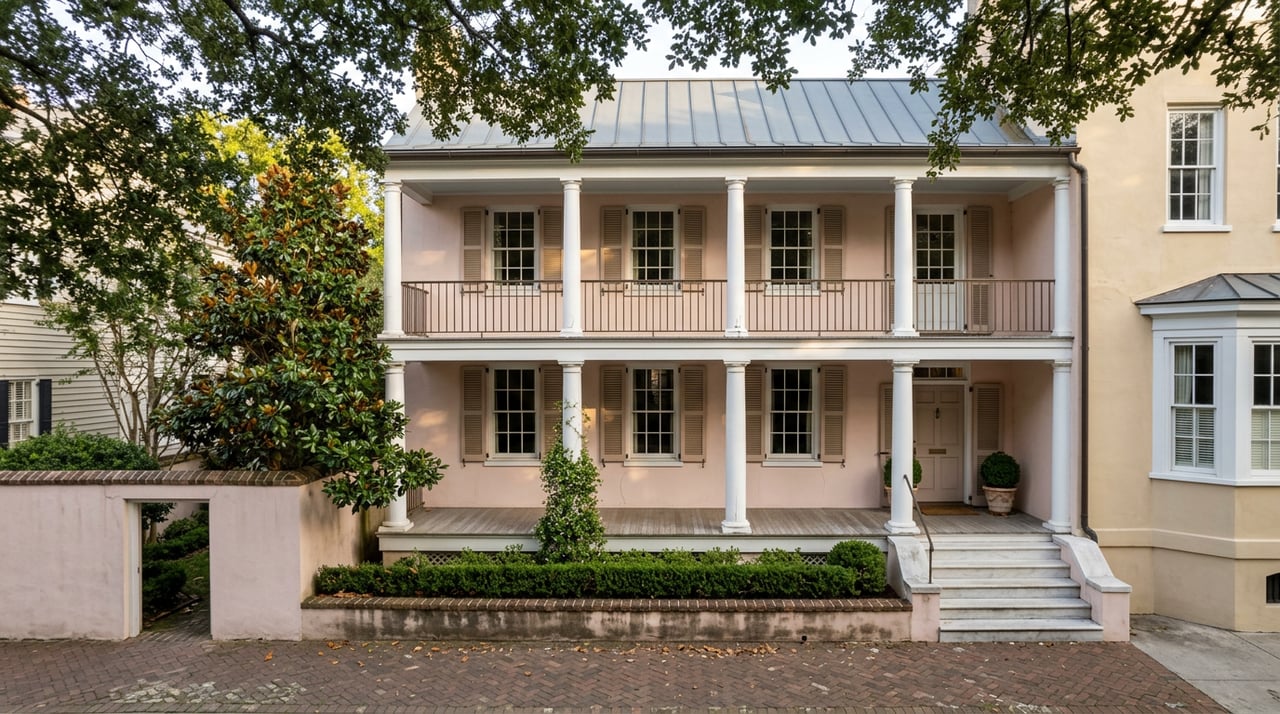
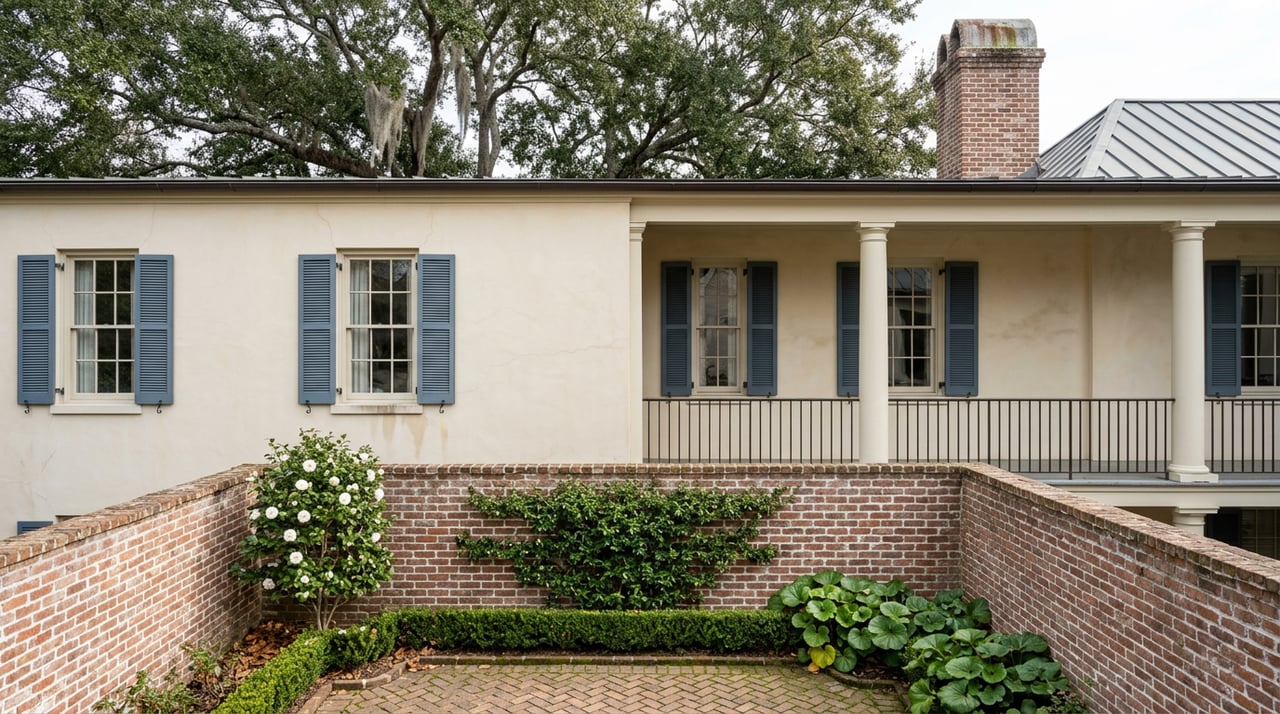
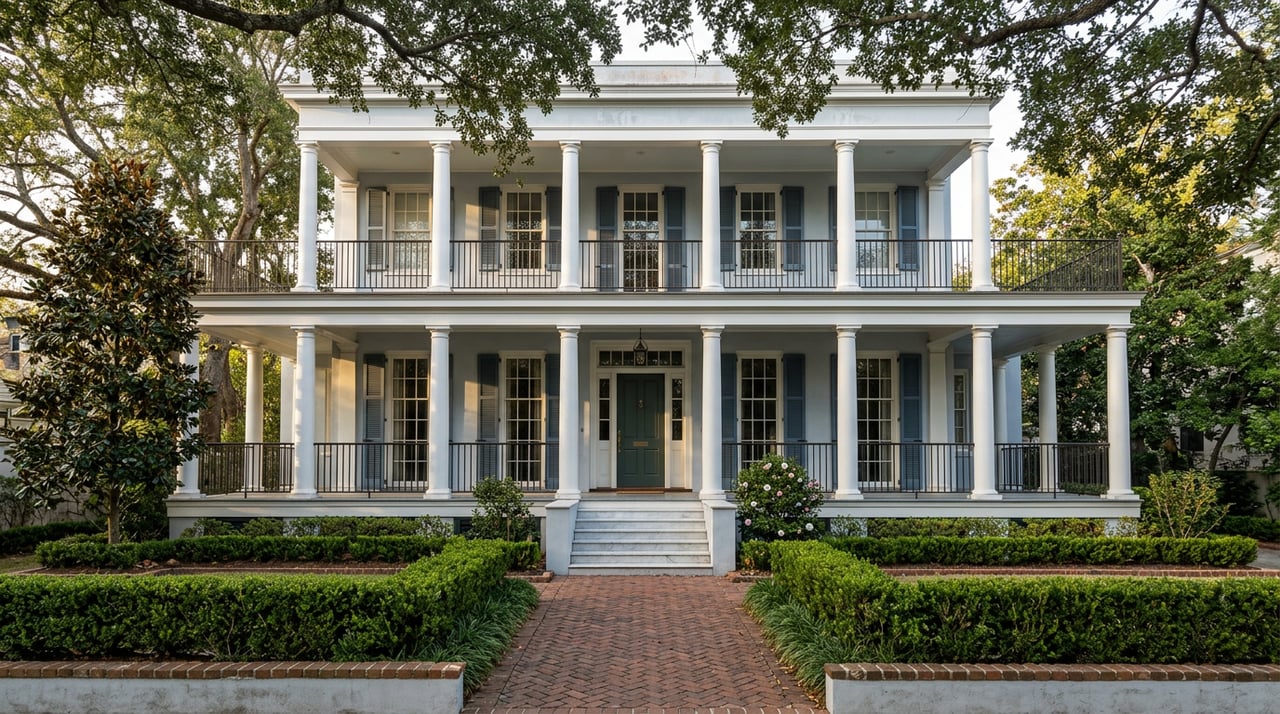
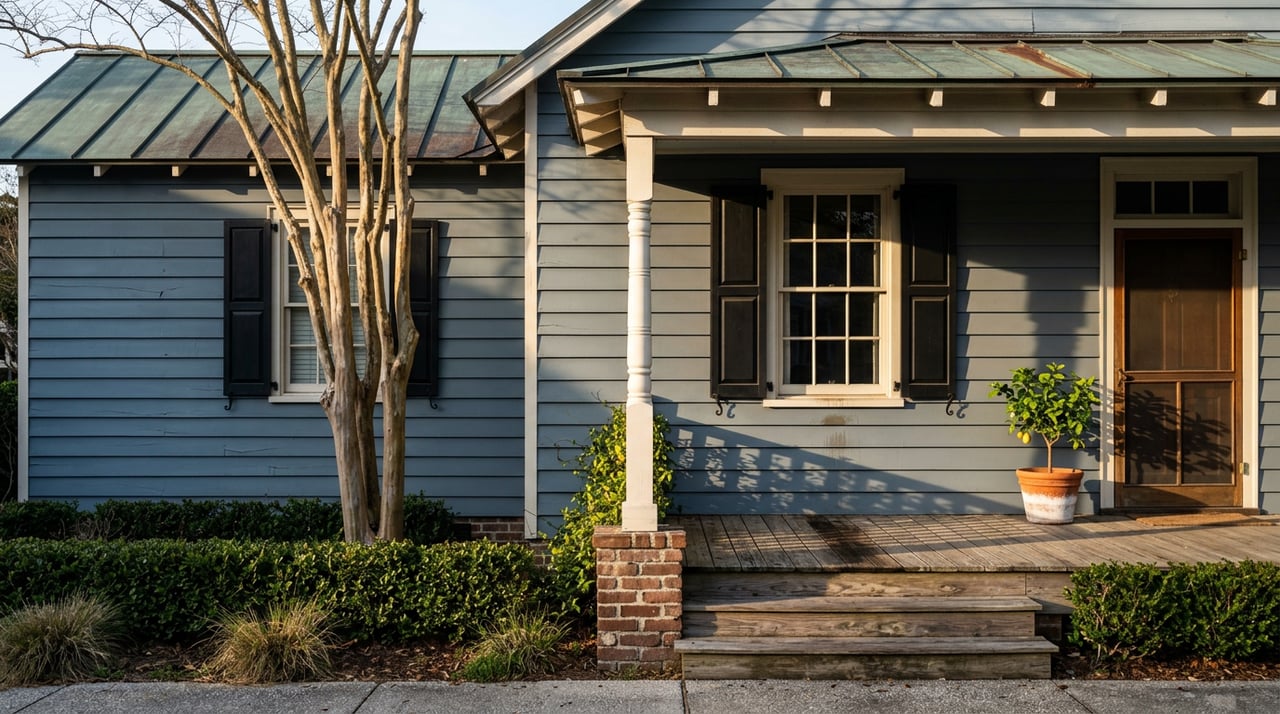
Harleston Village’s housing reflects Charleston’s historic fabric. You’ll encounter Charleston single houses and townhouses, small-lot historic homes, and examples of Victorian and Greek Revival architecture. You’ll also find a smaller number of condominiums and multi-family conversions, often shaped by preservation guidelines that maintain exterior character.
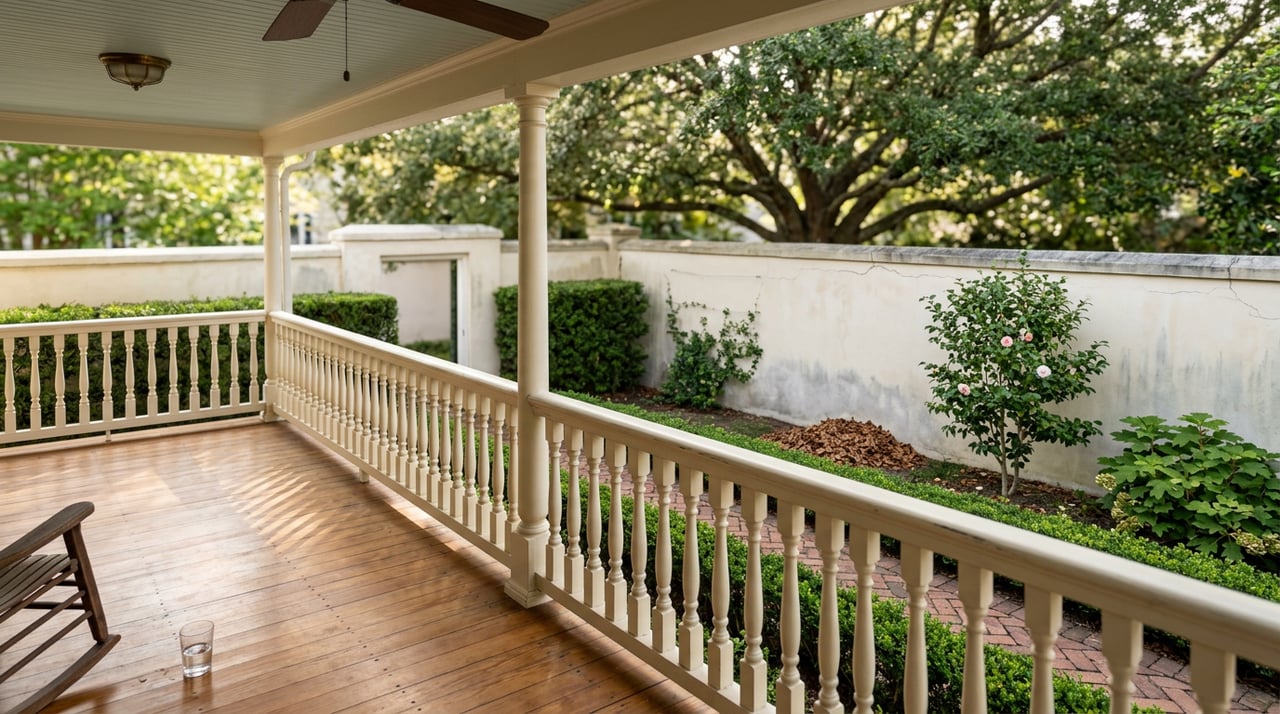
Lots tend to be modest compared with suburban standards. Many homes lean on porches, stoops, and small courtyards as primary outdoor spaces. If you want a large private yard, you may find fewer options here, but the tradeoff is walkable access to parks and daily amenities.
Demand stays strong because of location, walkability, and historic charm. Typical buyers include professionals who want short commutes, downsizers focusing on lifestyle and low maintenance, and some investors or second-home owners. Inventory can feel tight, and downtown properties often trade above city averages. For current pricing and time-on-market, use the latest MLS or a recent brokerage report.
Much of Harleston Village falls within Charleston’s historic district or adjacent overlays. Exterior changes that are visible from the street generally require review by the City’s Board of Architectural Review. That can include additions, façade work, and sometimes fencing or landscaping visible from public ways. Interior updates typically follow building codes and permits but have fewer preservation hurdles.
If you plan to renovate, expect longer timelines when work needs preservation approvals. Factor design review and city permitting into your budget and schedule. Many buyers consult architects, contractors, or advisors who are familiar with the BAR process before closing, especially for projects that affect the exterior.
Parts of the Charleston peninsula are in FEMA flood zones or experience tidal flooding. Before you make an offer, review FEMA flood maps and county resources for your specific address. Discuss insurance requirements and premiums with carriers, and ask for any elevation certificates or mitigation details like raised utilities or flood vents. These items often appear in listings for older homes.
You’ll love Harleston Village if you prioritize walkability, architecture, and a strong sense of place. It suits buyers comfortable with smaller lots who prefer porch sitting over yard work. It also fits those willing to follow preservation rules to protect the neighborhood’s historic character.
If you need a large private yard, multiple guaranteed off-street parking spaces, or the freedom to make rapid exterior changes, you may prefer other parts of the metro area. The neighborhood favors an urban, historic lifestyle where convenience is measured in steps rather than acres.
A day in Harleston Village feels effortless when you know the flow of the neighborhood. The right advisor helps you balance charm with practical details like preservation review, flood considerations, and parking. If you’re considering a purchase or sale here, you’ll benefit from boutique, principal-led guidance and deep experience with historic homes and renovations.
If you want an expert to help you navigate Harleston Village’s streets, homes, and process, connect with Anna Gruenloh. She brings two decades of local insight, historic property specialization, and a marketing-first strategy to help you move with confidence.
Stay up to date on the latest real estate trends.


Anna prides herself in knowing not only the properties that are available on the market but also the people that live and work in Charleston. Anna has a knack for quickly understanding her clients’ bottom-line needs and guiding them toward the home or investment property that will best suit them.