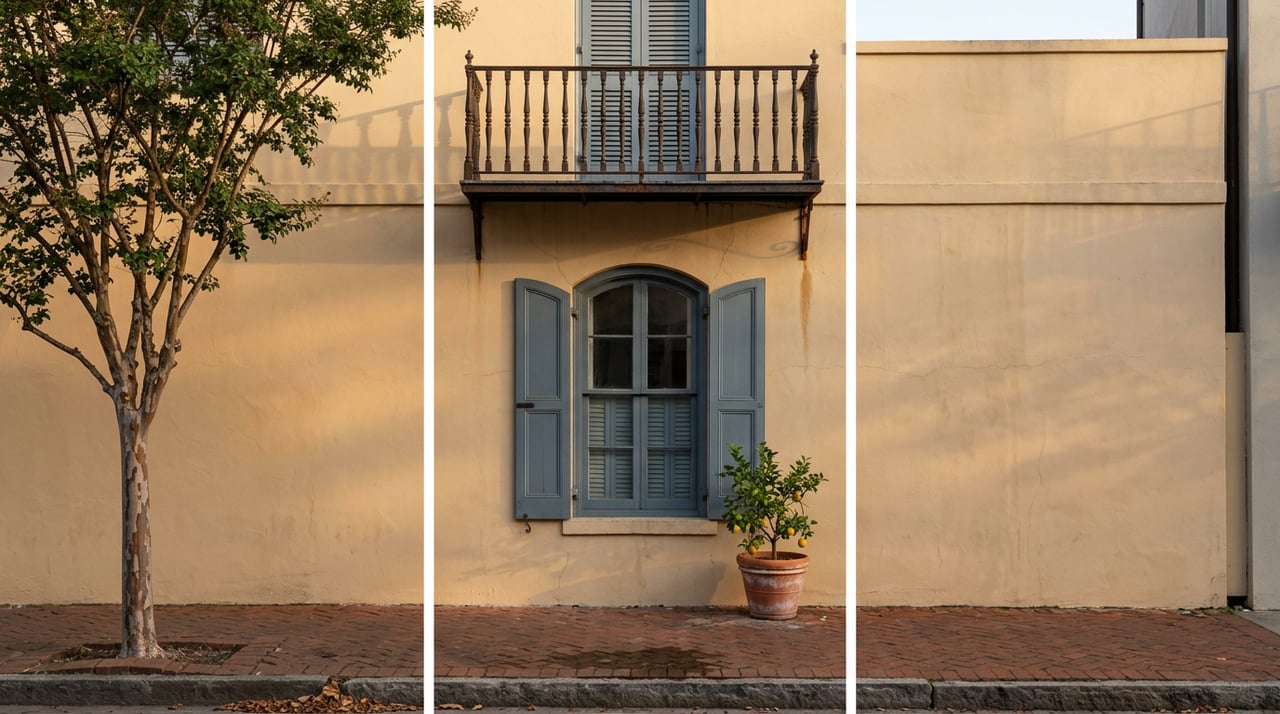
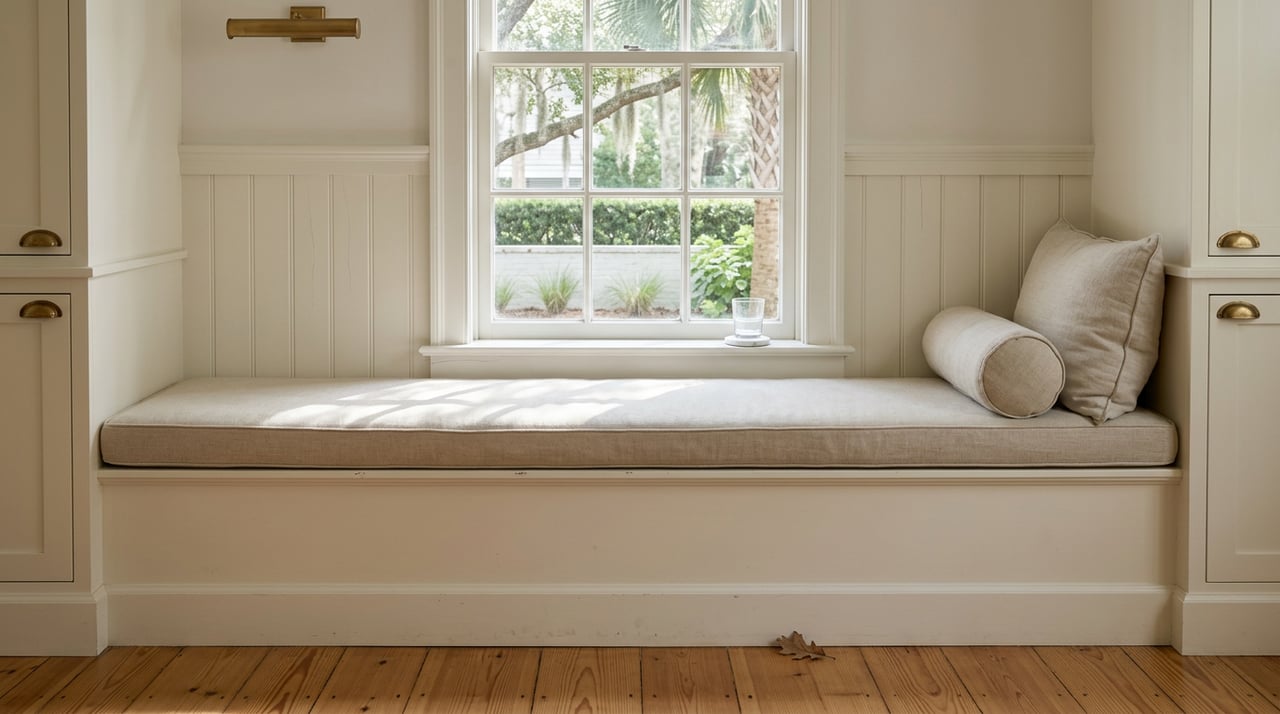
Thinking about selling in Ansonborough and wondering which pre-listing updates actually pay off? You want to honor your home’s history, move fast once you hit the market, and avoid surprises from Charleston’s historic review process. You’ll find practical, high-ROI ideas here that fit Ansonborough’s character, plus a clear plan and timeline you can follow. Let’s dive in.
Why Ansonborough buyers pay for the right updates
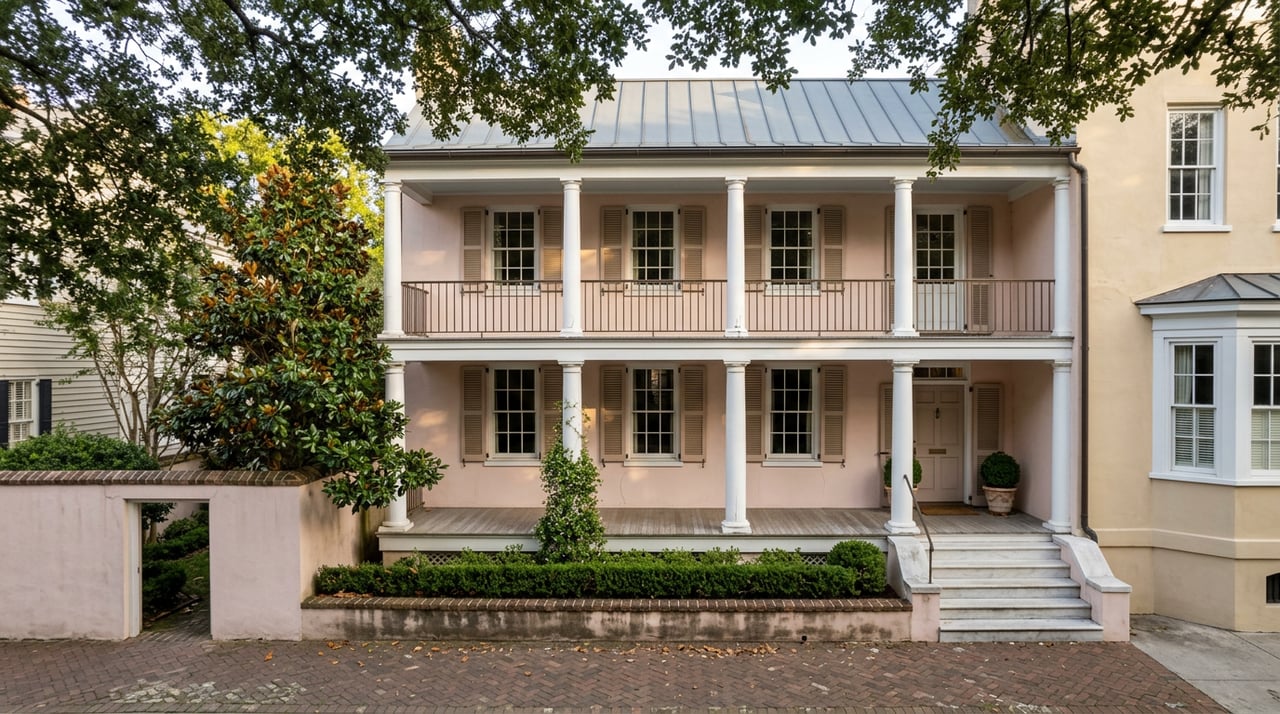
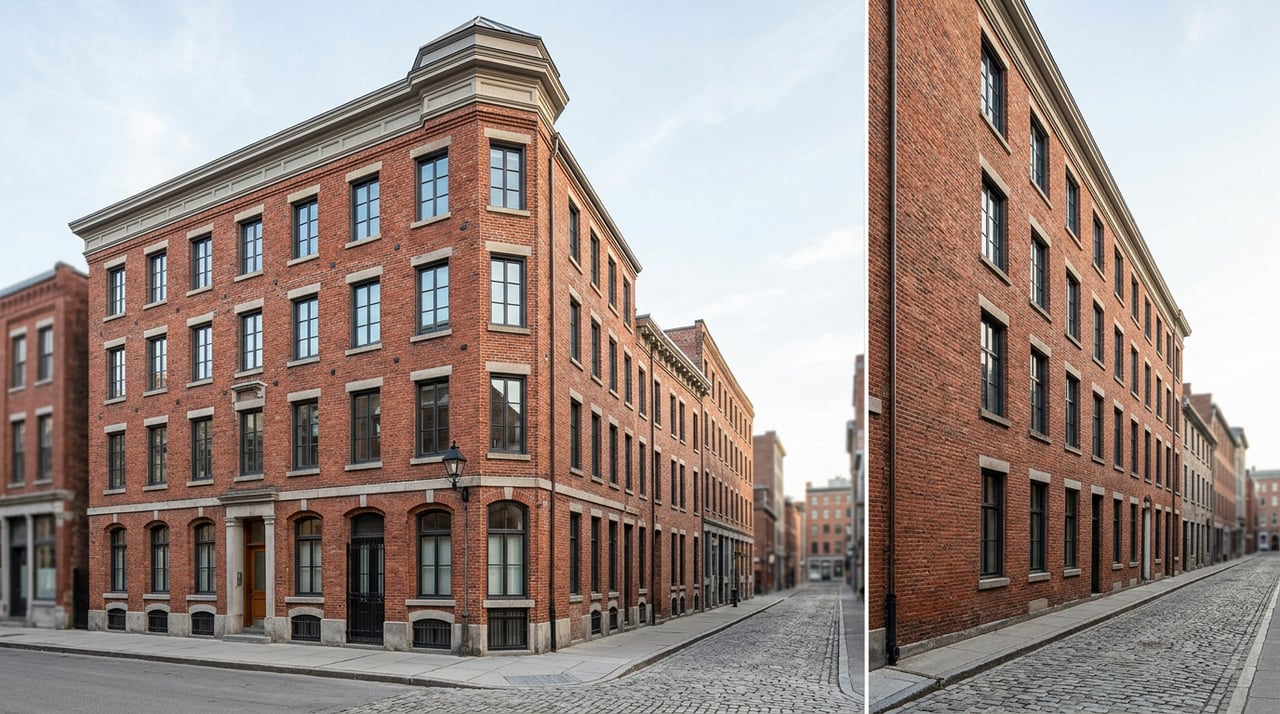
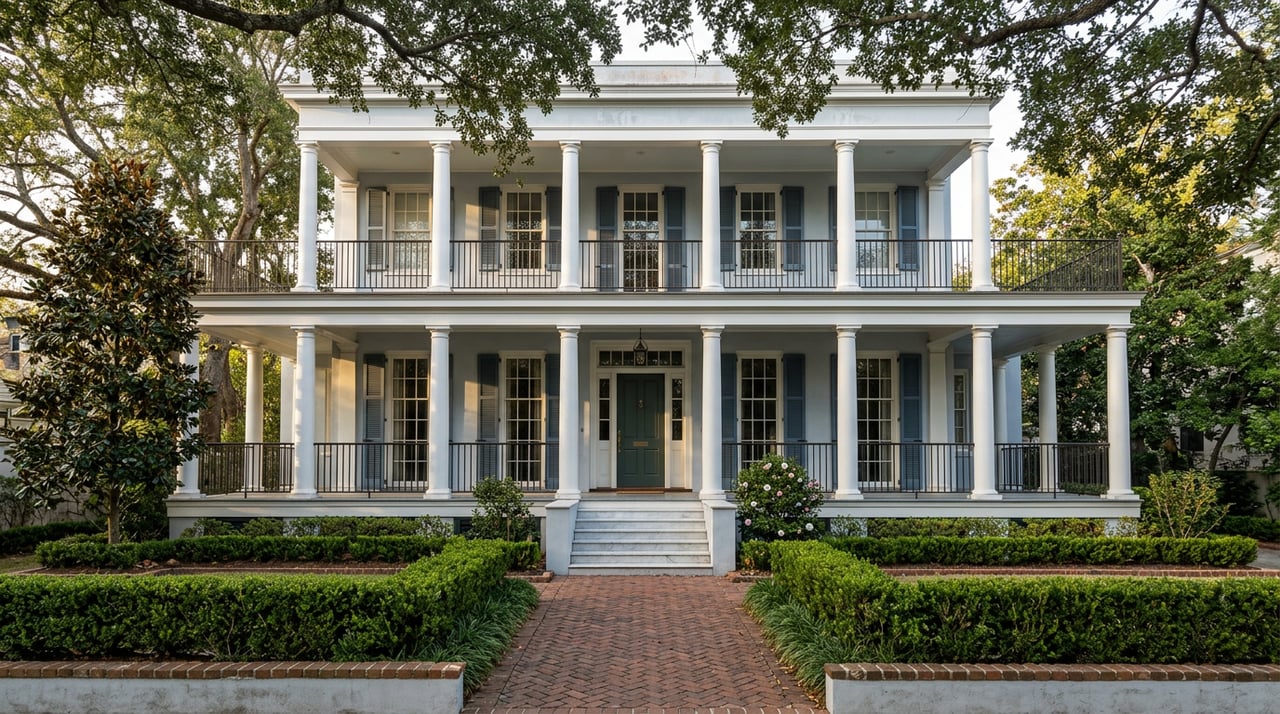
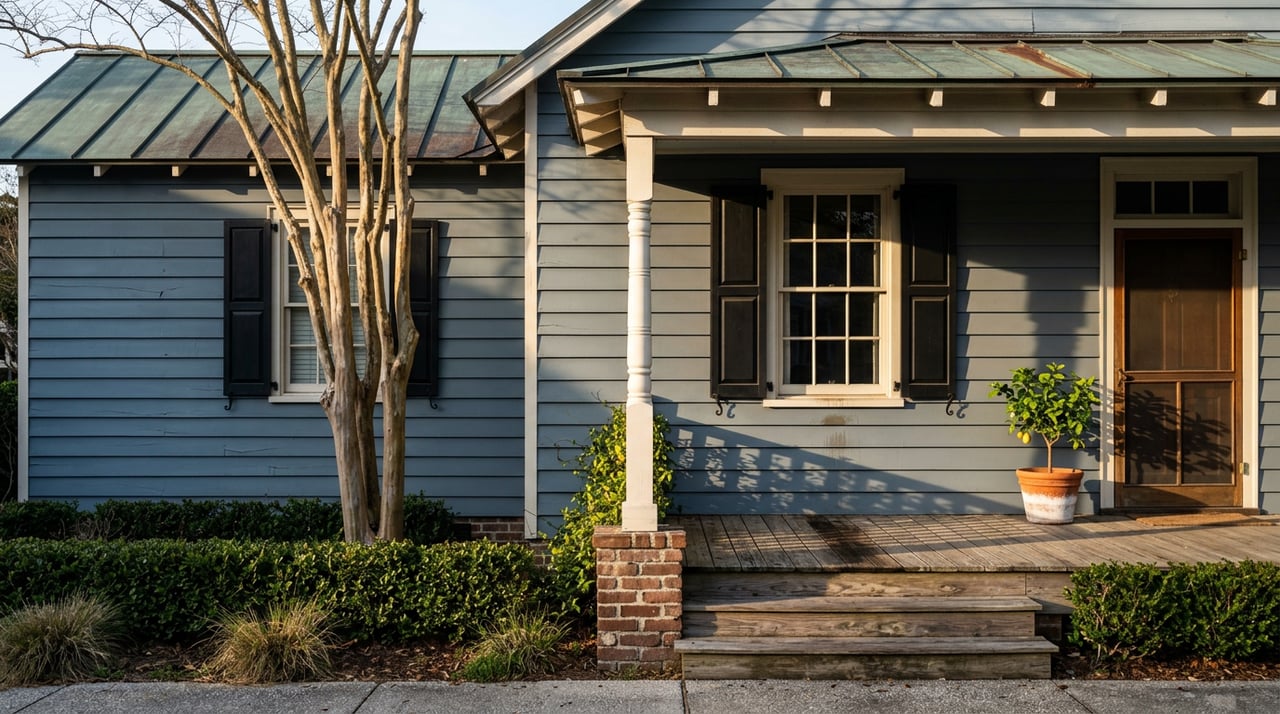
Ansonborough sits on Charleston’s peninsula with walkable access to Downtown, King Street, and Waterfront Park. Buyers often look for historic details like molding, heart pine floors, and ironwork, paired with modern systems and refreshed kitchens and baths. Many homes here are compact, with courtyards and period facades, so presentation matters.
Your goal is to preserve the character buyers love while removing functional objections. When you do that, you widen your buyer pool and typically reduce days on market.
High-ROI updates that work here
Quick interior wins
- Fresh, neutral interior paint to brighten rooms and help photos pop.
- Decluttering, deep cleaning, and odor removal to make spaces feel open and move-in ready.
- Professional staging focused on key rooms like the living area and primary bedroom.
- Professional photography, twilight exteriors, and 3D tours to maximize online interest.
These steps help buyers see scale and flow in smaller historic spaces and highlight original features.
Preserve floors and trim
- Refinish or repair original hardwoods instead of covering them.
- Repair plaster, crown molding, baseboards, and stair treads to protect historic character.
- If replacement flooring is necessary, choose historically appropriate finishes that align with the home’s era.
Document interior work so buyers know what you did and why.
Targeted kitchen updates
- Repaint or reface cabinets, add modern hardware, and update lighting.
- Install a fresh backsplash and consider cost-effective counters like quartz or butcher block.
- Replace the faucet and sink for a clean, modern feel.
Full gut remodels can be costly and may not return as much as well-executed cosmetic refreshes.
Smarter bathroom refreshes
- Swap in a new vanity or refresh existing hardware.
- Regrout, recaulk, and repair tile as needed to show care.
- Update lighting and fixtures for a clean look that complements historic style.
These updates balance modern function with period charm.
Systems, safety, and disclosures
- Service HVAC, consider replacing aging water heaters, and confirm electrical safety and grounding.
- Order a pest and wood-destroying insect inspection if needed and address issues.
- Tackle moisture or foundation concerns or clearly document mitigation.
- Provide a pre-listing inspection report or a concise list of repairs to reduce negotiation friction.
Removing functional concerns often delivers the strongest practical return because it keeps deals on track.
Curb appeal within BAR limits
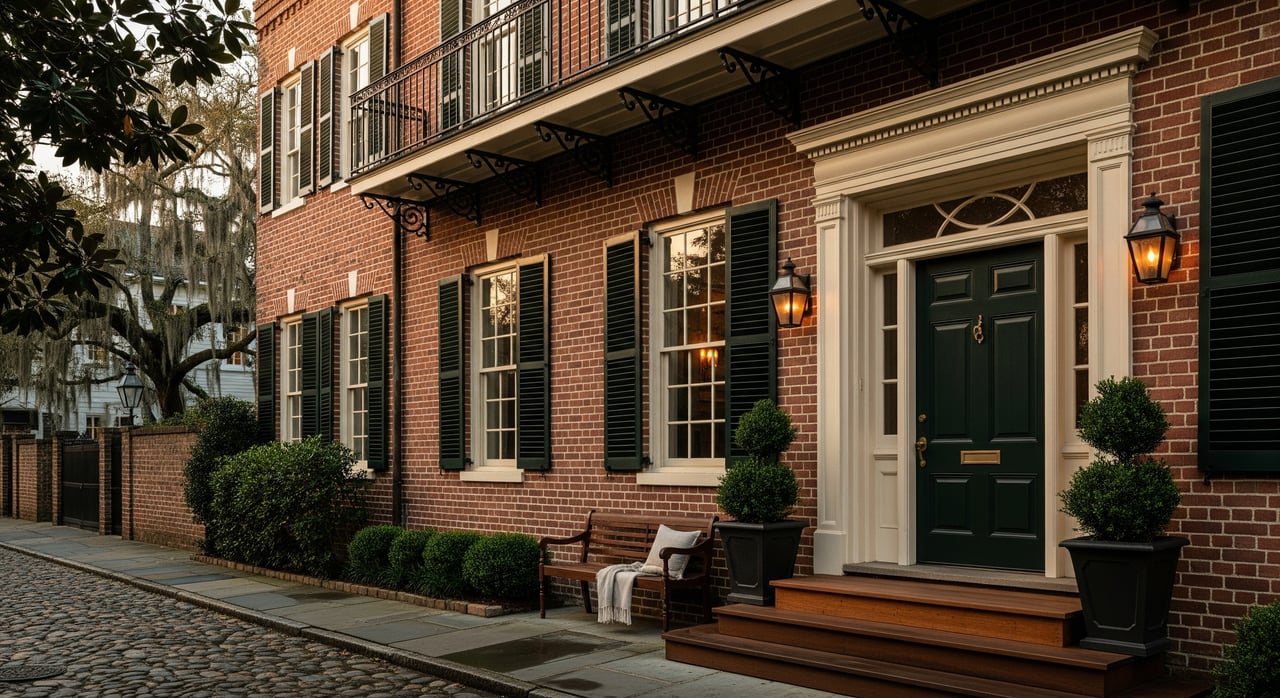
- Repaint the front door in a period-appropriate color and refresh hardware.
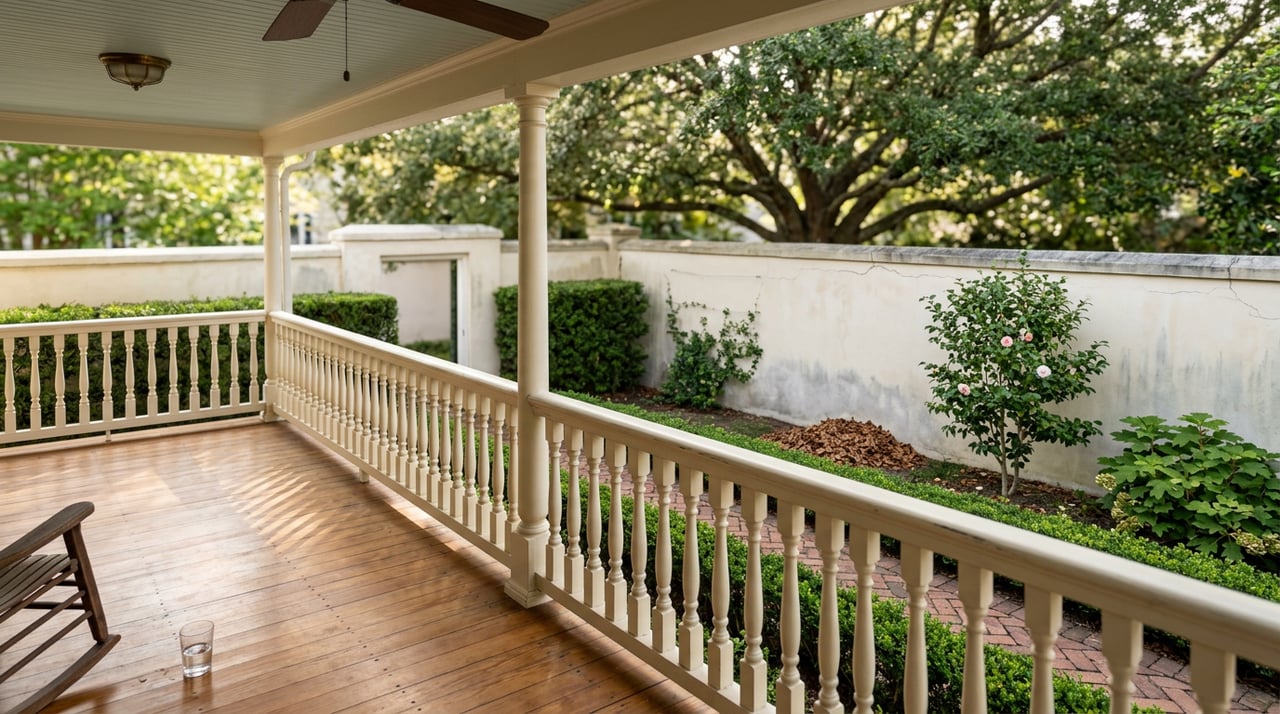
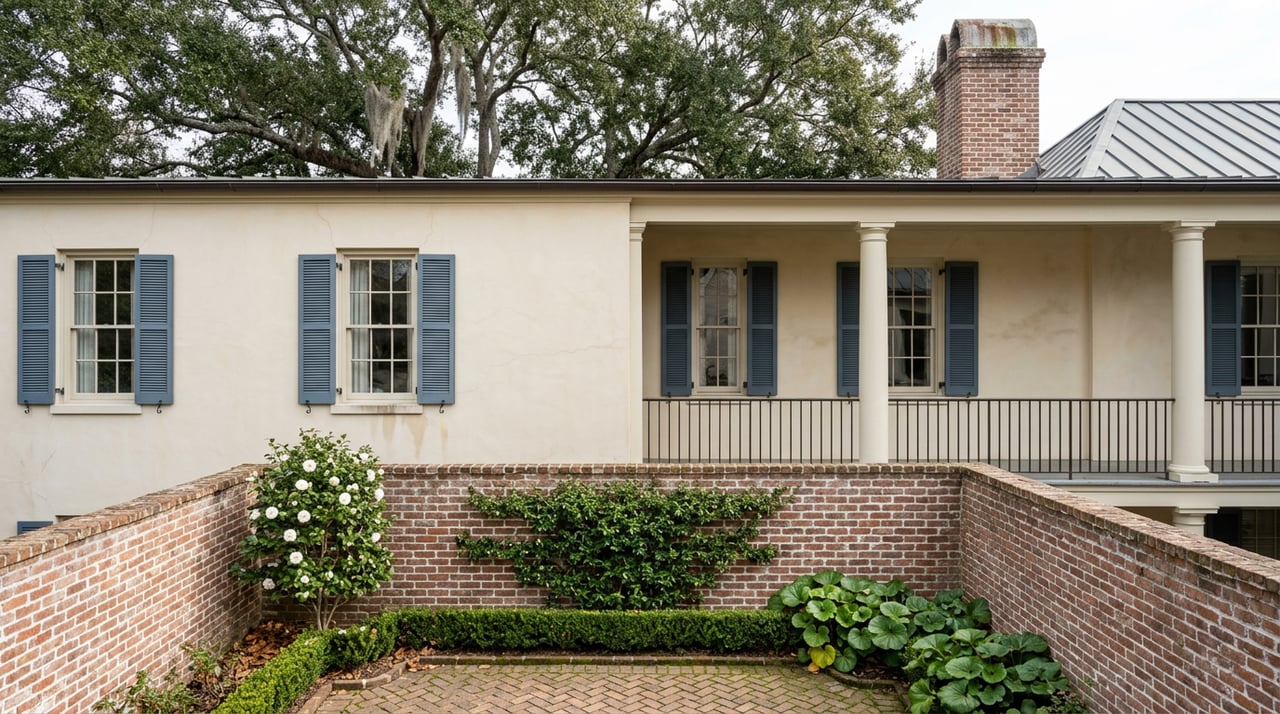
- Restore shutters and ironwork, tidy courtyards and walkways, and clean exterior lighting.
- Use scaled plantings suited to compact spaces.
Avoid visible facade changes that could trigger design review without a plan in place.
Comfort and energy touches
- Add a programmable or smart thermostat and upgrade to LED lighting.
- Add attic insulation where accessible and seal drafty windows and doors in a preservation-friendly way.
Buyers respond to lower operating costs, especially in older homes.
When to skip the spend
- Major additions, pools, or large landscaping projects usually do not pay off before a sale in compact urban lots.
- Full exterior redesigns or non-period materials can narrow your buyer pool.
- Any large, visible exterior project without approvals can add time and risk.
Navigating Charleston’s BAR without delays
Ansonborough sits within a historic district where exterior work visible from the public right-of-way may require review by the City of Charleston’s Board of Architectural Review (BAR).
What usually needs approval
Items like visible alterations to facades, roofing materials, windows, doors, shutters, porches, fences, gates, and some mechanical equipment placement often trigger review. Paint, hardscape, and porch repairs may also require review if visible from the street or alley.
Practical steps before you start
- Prioritize interior improvements and reversible exterior maintenance that does not alter historic fabric.
- Consult City of Charleston Planning and Historic Preservation staff early if you are considering any visible exterior changes.
- Keep records of past permits and approvals and include them in your listing packet.
Window and equipment caveats
Repair in-kind is often encouraged for windows, and replacement may require specific materials and muntin patterns. BAR may also require certain locations for condensers, ducts, and meters to reduce visibility. Plan ahead so you do not delay your market date.
Pricing and marketing to maximize return
How updates shift buyer perception
In historic, high-amenity neighborhoods, buyers pay close attention to both character and move-in readiness. When you eliminate concerns about systems or moisture and pair that with clean, updated cosmetics, you position your home for stronger offers.
Listing presentation that sells
- Use high-quality photography and targeted staging.
- Prepare a clear “what’s new” list of updates and maintenance.
- Share utility and comfort notes, like energy improvements.
- Include pre-listing inspection findings, repair receipts, permits, and warranties.
- Highlight preservation work and any documented approvals or resilience measures.
This mix attracts qualified, serious buyers and reduces requests for credits.
Pricing strategy for Ansonborough
Lean on recent, hyperlocal comps in Ansonborough and adjacent blocks. Adjust for period features, square footage, and relevant upgrades. If you are weighing a cosmetic spend versus offering a credit, estimate how pre-listing fixes may remove contingencies and strengthen net proceeds.
Your pre-listing timeline and checklist
6–8 weeks out
- Order a pre-listing inspection, including roof and wood-destroying insects.
- Review whether planned exterior items could require BAR review.
- Gather at least two to three estimates from contractors experienced in historic homes.
3–4 weeks out
- Complete systems work: HVAC service, water heater checks, and electrical safety fixes.
- Finish interior cosmetics: paint, drywall and trim touchups, grout and caulk, lighting updates.
- Schedule and complete flooring repairs or refinishing.
1–2 weeks out
- Deep clean, complete staging, and tidy courtyard or landscaping.
- Book professional photos and consider a twilight session.
- Assemble your document packet: inspection, permits, contractor receipts, warranties.
Budgeting and contractor tips
Set a focused budget that prioritizes safety, systems, and high-impact cosmetics. Get multiple written bids and ask about historic-district experience. In Ansonborough, tradespeople who understand preservation practices and BAR processes help you avoid costly missteps.
Reserve budget for final presentation: staging, cleaning, and photography. These items are small compared with a kitchen overhaul and often have an outsized effect on buyer engagement.
What to disclose and how
Transparency builds trust. Provide receipts, permits, and warranties for work completed. Share inspection summaries and a concise list of fixes. If you have information about moisture mitigation, mechanical updates, or prior approvals, include that in your packet. Buyers also consider flood risk and insurance on the peninsula, so organize any relevant documents you have for clarity.
Putting it all together
In Ansonborough, you maximize ROI by preserving historic character, removing functional obstacles, and presenting a clear, polished story to the market. Focus on interior cosmetics, system reliability, and a listing package that answers buyer questions before they ask. If you plan exterior changes, line up guidance early so you keep your timeline intact.
Ready to map your pre-listing plan for Ansonborough? Connect with Anna Gruenloh for a customized strategy, from prioritized updates to premium marketing that reaches the right buyers.
FAQs
Which pre-listing updates deliver the best ROI in Ansonborough?
- Prioritize interior paint, staging, professional photography, refinished original floors, targeted kitchen and bath refreshes, and system reliability with clear documentation.
Do I need BAR approval to paint my front door or replace windows?
- If work is visible from the public right-of-way, it may require BAR review; consult City of Charleston Historic Preservation staff before starting.
Is staging worth it for smaller historic homes on the peninsula?
- Yes; staging helps buyers understand layout and scale in compact, character-rich spaces and often shortens time on market.
How should I budget for pre-listing work in a historic home?
- Focus first on safety and systems, then on high-impact cosmetics like paint and lighting, and set aside funds for staging and professional marketing.
Should I order a pre-listing inspection before I list?
- Yes; identifying and addressing issues early reduces negotiation friction and supports stronger offers with fewer contingencies.
How do flood risk and insurance factor into my sale?
- Buyers increasingly consider flood risk and insurance on the peninsula; organize your documentation and be prepared to discuss resilience and mitigation steps.