Condo Regime Fees in the French Quarter Explained
Are you seeing wide differences in condo regime fees across the French Quarter and wondering what drives them? You are not alone. In Charleston’s historic core, costs often reflect more than amenities. In this guide, you will learn what regime fees cover, the French Quarter–specific factors that push them higher or lower, and exactly what to review before you buy or sell. Let’s dive in.
Condo regime fees are periodic assessments your association collects to fund shared expenses and long-term repairs. In most French Quarter buildings, fees typically support common-area maintenance and repairs, a building master insurance policy, and utilities for shared spaces. They also cover professional management, administrative costs, janitorial and security where provided, and contributions to reserves for future capital projects.
You may also see special assessments. These are one-time charges for unplanned projects or when reserves fall short, such as roof replacements, exterior restoration, or elevator work. The scope of what the master insurance policy covers can vary by building, so review the declaration and insurance certificates to understand your responsibility for interior finishes and contents.
A condominium association, usually led by a board elected by owners, adopts an annual budget and sets monthly assessments. The authority to set fees, impose special assessments, and enforce collection is spelled out in the recorded condominium declaration, bylaws, and rules. Those governing documents control procedures such as voting, notice, and lien rights.
State statutes and case law also shape rights and remedies. For building-specific terms and any questions about liens or enforcement, review the recorded instruments and consult a local attorney or title professional.
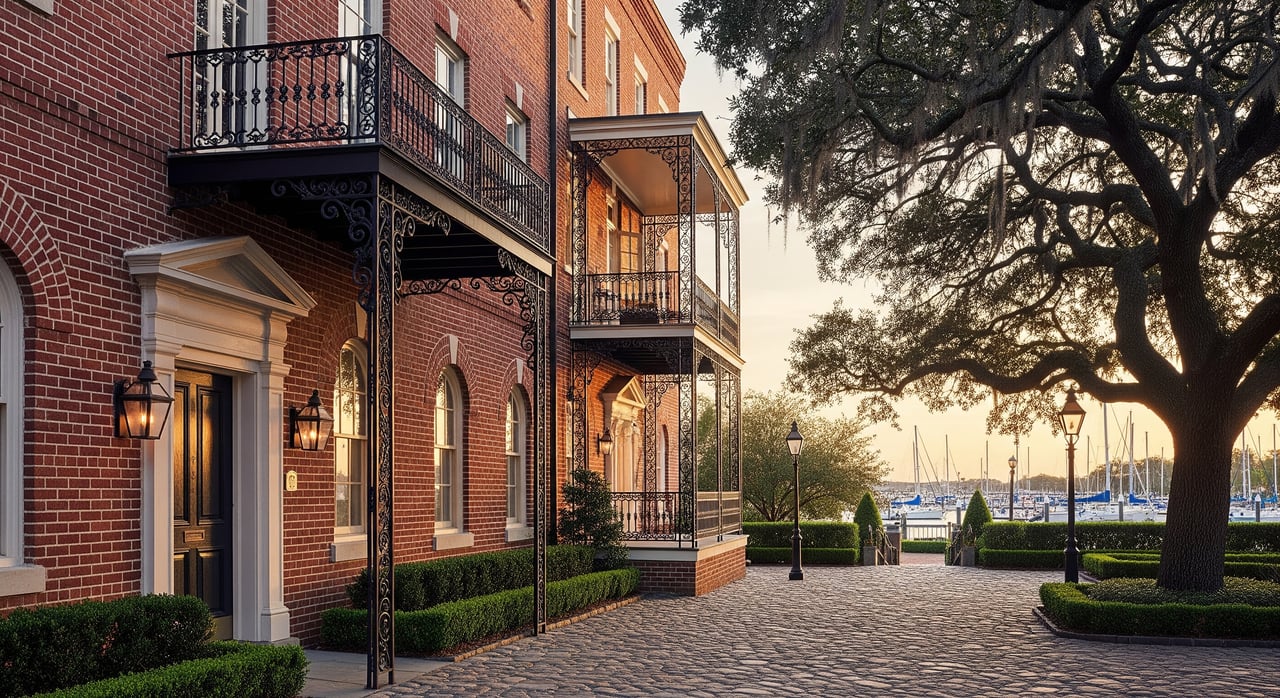
The French Quarter sits within Charleston’s historic core, and exterior work often requires review and approval by the Board of Architectural Review. Preservation standards can necessitate specialized materials and craftsmen, which raise repair costs and extend timelines. Associations commonly budget more for façade, masonry, and window restoration than non-historic properties.
Many French Quarter condos are conversions of 18th to 20th century masonry and timber structures. Older construction can require periodic repointing, structural repairs, termite treatment, and historic window or roof work. These needs show up in reserves, operating budgets, and in some cases special assessments.
Proximity to the waterfront and low elevation make flood risk a recurring consideration. Flood exposure affects insurance needs and premiums, lender requirements, and the frequency of post-storm repairs. Check current FEMA flood maps and local floodplain rules, since zone designations can change and influence insurance costs.
Many buildings in the French Quarter have a small number of units. Smaller associations have fewer owners to share fixed costs, which can elevate per‑unit fees and reduce financial flexibility. A single delinquent account can strain operating cash flow and reserves.
Amenities are often modest, such as elevators, courtyards, and secured entries. Even so, courtyard restoration, pest control, and specialized cleaning for historic materials can be meaningful line items. Elevators and exterior lighting also add to ongoing maintenance and inspection costs.
Some small or historic projects may not meet certain mortgage program criteria, which can affect buyer financing options. Lender underwriting of condos looks beyond your individual unit to the building’s reserves, owner-occupancy mix, and project characteristics. Limited financing choices can influence demand, which in turn impacts association planning and resale dynamics.
Key documents to request
Questions to ask the board, manager, or seller
Red flags that warrant deeper diligence
The association’s master policy may insure only common elements and the building shell, or it may extend further. You are typically responsible for an HO‑6 policy that covers interior finishes, fixtures, and personal property, and lenders often require it. Flood insurance can be required if the property is in a high‑risk FEMA zone or by your lender’s underwriting. Always review the declaration and insurance certificates to confirm coverage and deductibles.
Your monthly budget should include current assessments and a prudent buffer for potential special assessments. Ask for written confirmation of any transfer fees, prepaid assessments, or pro‑rations due at closing so there are no surprises. If you are financing, engage your lender early to confirm the project’s eligibility and any conditions related to reserves, occupancy, or insurance. When you evaluate a building’s financial health, reserve funding and a recent study are strong indicators of stability.
A practical approach:
Provide the association resale packet as soon as you list to minimize delays. Be ready to answer questions about reserves, recent or upcoming projects, and insurance deductibles. Confirm your payoff amount for any unpaid assessments and understand the association’s lien release procedures. Clear, organized documentation builds buyer confidence and can support stronger terms.
In the French Quarter, costs are shaped by historic oversight, building age, flood exposure, and small-association dynamics. You benefit from an advisor who understands how those factors show up in budgets, reserve studies, and insurance requirements. With deep experience in Charleston’s historic properties, a local specialist can help you request the right documents, interpret the findings, and connect you with lenders, insurance professionals, and vetted contractors familiar with this market.
If you are weighing two buildings with similar list prices but different fee structures, a side‑by‑side budget and reserve comparison often reveals the better long‑term choice. The goal is not the lowest fee today, but the most predictable ownership cost and a building that protects its value.
Ready to talk through a specific building’s documents or plan your next step in the French Quarter? Connect with Anna Gruenloh for tailored guidance.
Stay up to date on the latest real estate trends.

Anna prides herself in knowing not only the properties that are available on the market but also the people that live and work in Charleston. Anna has a knack for quickly understanding her clients’ bottom-line needs and guiding them toward the home or investment property that will best suit them.